


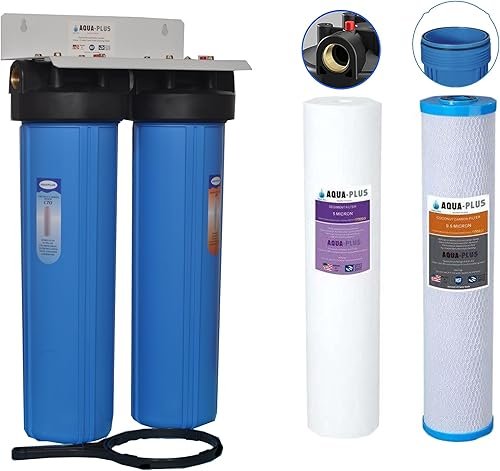
I’ve lost count of the rusty filters I’ve pulled from systems over the years. It’s not glamorous, but a good sediment filter is the unsung hero of water treatment. This guide covers what they are, how they work, and which one you actually need for your home.
- What a sediment filter is and what it removes.
- How the physical filtration process works.
- The real-world benefits and honest limitations.
- A breakdown of the different types available.
- Our top picks for 2026, tested and reviewed.
What Is a Sediment Water Filter?
Think of it as a screen door for your water. A sediment filter is a mechanical barrier designed to catch and hold solid particles suspended in your water supply. We’re talking about the visible stuff: rust flakes from old pipes, sand from well water, silt, and general dirt. It does not remove chemicals, heavy metals, or dissolved solids. That’s a job for other filters.
Its main purpose is pre-filtration. By grabbing the big particles, it stops them from gunking up your plumbing, water heater, and any finer filters you have downstream. In our testing, a system without a sediment pre-filter sees its carbon cartridge life cut in half. It’s the foundation of any serious kitchen water treatment setup.
How a Sediment Water Filter Works
The process is beautifully simple. Water is forced under pressure through a filter medium—a pleated cartridge, a wound string, or a mesh screen. The pores in this medium are a specific size, measured in microns. Anything larger than that pore size gets trapped. Clean water passes through.
The Micron Rating: Your Most Important Number
This is the key spec. A 20-micron filter catches particles 20 microns or larger. For reference, a human hair is about 70 microns wide. A lower number means finer filtration. But going too fine too fast can clog your filter quickly. Most homes do well with a 5 to 20-micron first stage.
Depth vs. Surface Filtration
You’ll see two main mechanisms. Surface filters (like pleated cartridges) trap particles on the outside. They’re easy to clean. Depth filters (like wound strings or melt-blown) trap particles throughout their thick material. They often hold more dirt but can’t be cleaned. The choice depends on your water quality and maintenance preference.
Key Benefits of Using a Sediment Filter
Protects Your Expensive Gear: This is the big one. Sediment destroys appliances. It clogs faucet aerators, wears out washing machine valves, and reduces the efficiency of your water heater. A simple filter prevents costly repairs.
Improves Water Clarity: If your water looks cloudy or has visible specks, a sediment filter will clear it up. It’s a direct, visible improvement.
Extends the Life of Other Filters: Carbon blocks, RO membranes, and UV lamps are not cheap. Letting them deal with dirt and sand is a waste of their capacity. A sediment filter, which is relatively inexpensive, takes the hit so they don’t have to. This is critical for maintaining a kitchen water purifier effectively.
Low Cost and Simple Maintenance: Compared to other filtration technologies, sediment filters are affordable. Changing a cartridge is a 5-minute job that requires no special tools.
Potential Drawbacks to Consider
Pressure Drop: Every filter creates some resistance. A clogged or very fine sediment filter can noticeably reduce your water pressure. That’s why sizing and micron rating matter.
Regular Replacement is Mandatory: These filters have a capacity. Once they’re full, they either stop working or, worse, start dumping trapped sediment back into your water. You must stick to a change schedule.
Types of Sediment Water Filters
Spun/Wound Polypropylene Cartridges
The most common and budget-friendly option. They look like white tubes. Spun filters have a gradient density—finer on the inside. Wound filters are string wrapped around a core. Both are depth filters, great for holding a lot of dirt. They’re disposable and typically used for 3-6 months.
Pleated Cartridges
These have a larger surface area because of the folds (pleats). They offer more consistent filtration and often have a longer lifespan. Many are cleanable and reusable for a few cycles, which is a nice perk. They’re a surface filter, so they clog faster if the water is very dirty.
Spin-Down or Screen Filters
This is a different beast. It’s a reusable housing with a stainless steel mesh screen. You can see the sediment collect at the bottom. When it’s full, you just open a valve and flush it out. No cartridge to replace. It’s ideal as a first-stage pre-filter for very coarse sediment (50+ microns), like from a well. If you’re dealing with specific contaminants like manganese, pairing it with a dedicated water filter for manganese is a smart move.
Bag Filters
More common in commercial or industrial settings, but you might see them for whole-house applications. A fabric bag catches sediment. They can hold a massive amount of dirt but are less precise in their micron rating.
Sediment Filter Buying Guide
Don’t just grab the cheapest one off the shelf. Here’s what we look at.
1. Micron Rating: Match it to your water. City water with minor rust? A 20-micron is fine. Well water with sand? Start with a 50-micron spin-down, then a 5-micron cartridge. You can always go finer in a second stage.
2. Filter Size: Standard sizes are 10″ and 20″ lengths, with 2.5″ or 4.5″ diameters. The “Big Blue” 20″ x 4.5″ housings are the gold standard for whole-house systems. They offer higher flow rates and longer life between changes.
3. Flow Rate (GPM): Ensure the filter housing and cartridge can handle your home’s peak water demand. A 3-bathroom home needs a higher flow rate than a studio apartment.
4. Cartridge Type: For convenience, a cleanable pleated or spin-down is great. For maximum dirt-holding on a budget, a spun polypropylene cartridge is hard to beat. This is a foundational element of any countertop filter cartridge system too, just in a smaller form factor.
Our Top Sediment Filter Picks for 2026
Based on years of testing, reader feedback, and plumber recommendations, these are the sediment filters we trust.
| Product | Type | Key Feature | Price | Links |
|---|---|---|---|---|
| Aqua-Plus 2 Stage Jumbo Big Blue | Whole House System | Complete 2-stage with sediment & carbon, 1″ ports | $1.92 |
Amazon eBay |
| iSpring WSP-50 Spin-Down Filter | Reusable Pre-Filter | Flushable, 50-micron stainless mesh, brass port | $72 |
Amazon eBay |
| 6-Pack 20 Micron Pleated Cartridges | Replacement Cartridges | 10″x2.5″, high capacity (30,000 gal), for coolers | $30 |
Amazon eBay |
| iSpring WSP-50SL with Siliphos | Reusable Pre-Filter | 50-micron mesh + scale inhibition media | $1.15 |
Amazon eBay |
| AliExpress Budget Pick 1: Shower Faucet Filter | Point-of-Use | 6-layer filtration for shower, splash-proof | $5.58 | AliExpress |
| AliExpress Budget Pick 2: Stainless Steel Pre-Filter | Whole House Pre-Filter | High-flow, backwashable, for tap water | $48.60 | AliExpress |
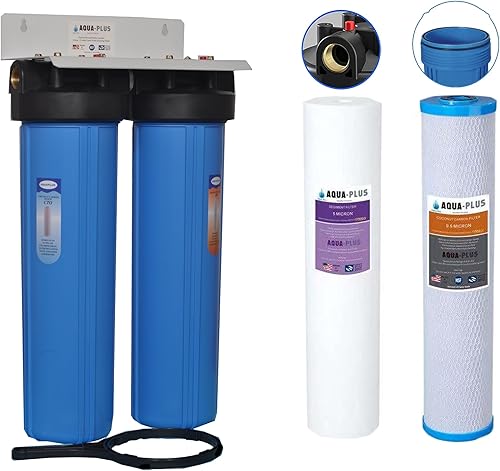
1. Aqua-Plus 2 Stage Jumbo Big Blue System
This is our go-to recommendation for a complete, no-fuss whole-house starter system. The price is frankly unbelievable for a dual-housing setup with brass ports. The first stage is a 5-micron sediment filter, which is perfect for catching the everyday grit from city mains. The second carbon block stage handles chlorine taste and odor. It’s a solid, workmanlike setup that will serve most homes well.
- Incredible value for a 2-stage system
- Standard 20″x4.5″ cartridges (easy to find replacements)
- Includes pressure release valves
- Housing plastic feels basic (but does the job)
- Instructions could be clearer
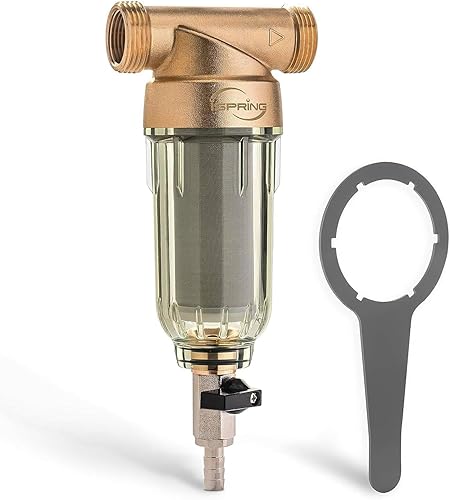
2. iSpring WSP-50 Spin-Down Pre-Filter
This is the filter I wish every homeowner with a well would install. It’s a brute. The 50-micron stainless steel screen catches the big stuff—sand, grit, small debris—before it ever hits your finer cartridges. The best part? You just turn a valve to flush it clean. No cartridge changes. We’ve seen these run for years with minimal maintenance. It’s the ultimate first stage for a multi-layer filtration system.
- Completely reusable, no replacement filters
- Clear housing lets you see when to flush
- Brass fittings are durable
- Only filters to 50 microns (needs a finer filter after it)
- Requires a drain for the flush line
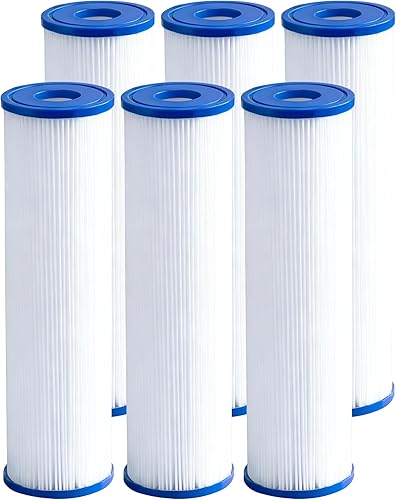
3. 6-Pack 20 Micron Pleated Cartridges
If you have a standard 10″ filter housing, this 6-pack is a fantastic deal. The 20-micron rating is a great balance—it catches noticeable sediment without clogging instantly. The pleated design means more surface area, so they last longer than a spun filter in the same conditions. We like these for under-sink systems or as a second stage after a spin-down. The 30,000-gallon capacity claim is optimistic, but they definitely outlast cheap alternatives.
- Excellent value in a 6-pack
- Pleated design is more efficient than spun
- Compatible with most 10″ standard housings
- Not for heavy sediment loads (will clog fast)
- Capacity varies greatly with water quality
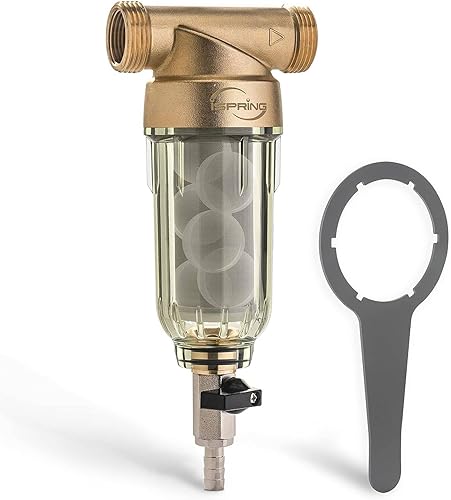
4. iSpring WSP-50SL with Siliphos
This is the WSP-50’s clever cousin. It has the same great 50-micron flushable screen, but with a bonus: a chamber filled with Siliphos beads. These beads slowly dissolve to help inhibit scale buildup in your pipes and water heater. It’s a two-in-one solution for sediment and hard scale. Honestly, for the minimal extra cost, it’s a smart upgrade if you have hard water. The scale inhibition alone can extend the life of your water heater.
- Combines sediment filtration with scale control
- Same easy-flush design as the WSP-50
- Can save money on water heater maintenance
- Siliphos beads need replenishing over time
- Scale inhibition is preventative, not a softener
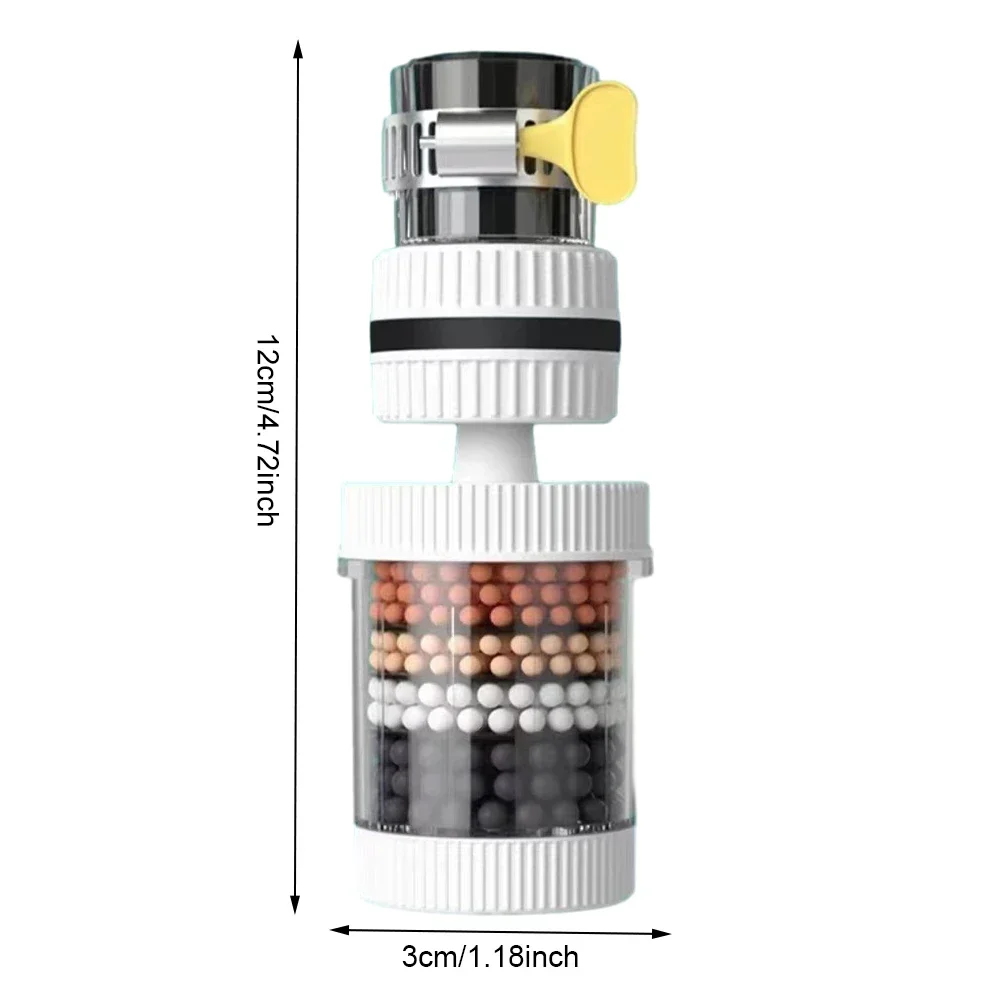
5. AliExpress Budget Pick: Shower Faucet Filter
Let’s be real: this isn’t a whole-house solution. But for under $6, it’s an interesting point-of-use experiment. The 6-layer design likely includes a sediment mesh, ceramic, and maybe some carbon. It will reduce chlorine and catch rust flakes in your shower. The build quality is basic, and the filtration claims are vague. But if you just want to test if a filter improves your shower experience, it’s a low-cost way to find out. Manage your expectations.
- Extremely low entry cost
- Easy screw-on installation
- May improve shower water feel
- Unknown filtration standards
- Limited capacity and durability
- Not a substitute for proper filtration
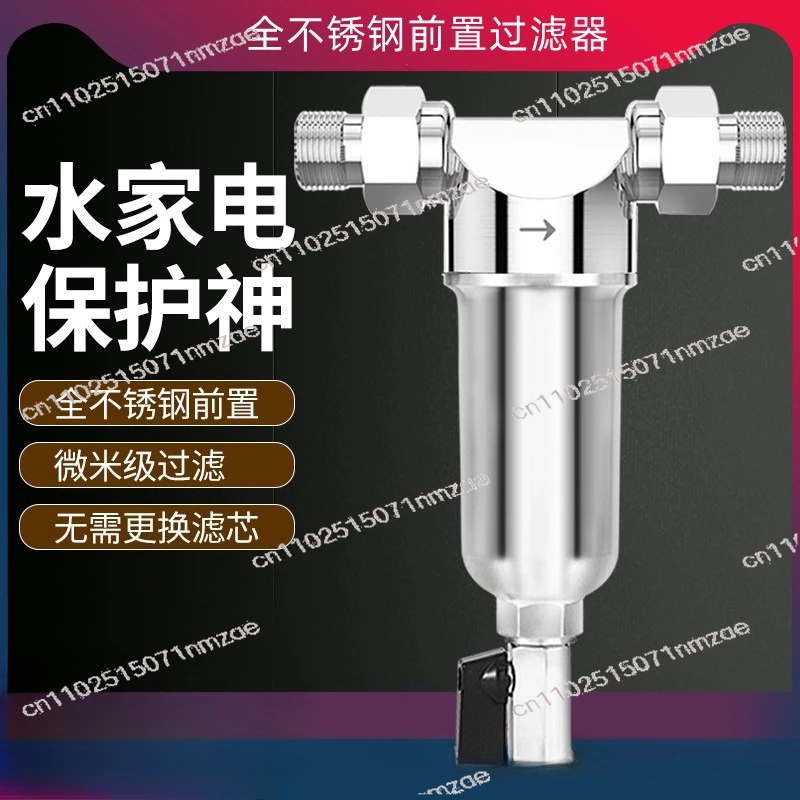
6. AliExpress Budget Pick: Stainless Steel Pre-Filter
This looks like a direct competitor to the iSpring spin-down filters, at a lower price point. The stainless steel construction and backwash feature are promising on paper. The big question is quality control and longevity. We haven’t had this specific model in our lab long enough to give a full endorsement, but the specs are right for a whole-house pre-filter. If you’re handy and on a tight budget, it could be worth a try. Just check the fittings carefully upon arrival.
- Stainless steel mesh should be durable
- High-flow design for whole house
- Significantly cheaper than name brands
- Unproven long-term reliability
- May lack certifications (NSF/ANSI)
- O-ring and valve quality are unknowns
Frequently Asked Questions
- What micron rating should I choose?
- Start with a 20-50 micron filter for coarse sediment. If your water is still cloudy, add a second stage with a 5-micron filter. For well water, a 50-micron spin-down pre-filter is essential before any cartridge.
- How often should I change my sediment filter?
- It depends on your water quality. Check it monthly at first. When you see a noticeable color change or a drop in water pressure, it’s time. For most city water, every 3-6 months is typical. For dirty well water, it could be monthly.
- Can a sediment filter make my water safe to drink?
- No. Sediment filters only remove physical particles. They do not remove chemicals, bacteria, viruses, or dissolved contaminants. For microbiologically unsafe water, you need disinfection (like UV) or a purifier like reverse osmosis. An alkaline water pitcher won’t help with sediment either—it’s a different technology.
- Why is my water pressure low after installing a sediment filter?
- Two likely reasons: 1) The filter is clogged and needs changing. 2) You chose a micron rating that’s too fine for your water quality, causing rapid clogging. Try a higher micron rating (e.g., go from 5 to 20).
- Do I need a sediment filter if I’m on city water?
- Almost certainly yes. City water travels through miles of aging pipes. It picks up rust, scale, and other debris along the way. We’ve seen brand new homes with sediment in the lines from construction. It’s cheap insurance for your plumbing and appliances.
- What’s the difference between a “whole house” and “under-sink” sediment filter?
- Mainly size and flow rate. Whole-house filters (often 20″ tall) are designed for high flow rates to supply your entire home. Under-sink filters (often 10″ tall) are for a single faucet. The cartridges are often interchangeable if the diameter matches.
Final Thoughts
After testing dozens of these things, the conclusion is simple: every home water system needs a sediment filter. It’s the most cost-effective protection you can buy. The single biggest mistake we see is people skipping this step and going straight for a fancy carbon or RO filter. They end up replacing expensive cartridges prematurely.
For most homes, the Aqua-Plus 2 Stage system offers fantastic value as an all-in-one starter. If you have well water or visible sand, pair it with the iSpring WSP-50 spin-down as a first stage. Get the basics right, and your water—and your wallet—will thank you.
