


Reverse Osmosis Water Filters Under Sink: The 2026 Guide to Pure Water
You’ve tasted the difference at a friend’s house. That crisp, clean water from their dedicated faucet. Now you’re wondering if an under-sink reverse osmosis system is right for your kitchen. We’ve installed, tested, and lived with these systems for years. This guide cuts through the marketing jargon. We’ll show you what actually matters, how they work, and which models deliver on their promises in 2026.
- What an under-sink RO system really is and why it’s different.
- The step-by-step science of how it purifies your water.
- The real benefits and the honest drawbacks you should know.
- How to choose the right type and features for your home.
- Our hands-on reviews of top systems you can buy today.
What Is a Reverse Osmosis Under-Sink Filter?
Think of it as a multi-stage purification plant tucked neatly under your kitchen sink. It’s a pou system, meaning it treats water right at the point of use. Unlike a simple faucet filter, an RO system uses household water pressure to push water through a series of filters, culminating in a semipermeable membrane. This membrane has microscopic pores—about 0.0001 microns wide. That’s smaller than a human hair by a factor of 500,000.
What does that mean for your tap water? It means dissolved salts, heavy metals, bacteria, and most synthetic chemicals get left behind. The result is two streams: one of highly purified water for drinking and cooking, and another of wastewater carrying the rejected contaminants down the drain. It’s the most thorough filtration you can get for a residential kitchen.
How Reverse Osmosis Works
The Pre-Filtration Stages
Before water ever touches the delicate RO membrane, it goes through one or two sediment filters. These catch dirt, rust, and sand—stuff that would quickly clog the membrane. Next, it usually hits a carbon filter. This is your workhorse for chlorine, which damages the membrane, and it also tackles volatile organic compounds that affect taste and odor. For homes with specific well water issues, you might need a dedicated iron and manganese filter as a pre-treatment step.
The RO Membrane Stage
This is where the magic happens. Water is forced under pressure against the membrane. Water molecules slip through the microscopic pores. Almost everything else—dissolved solids like fluoride, lead, arsenic, and salts—cannot pass. It’s a physical barrier, not a chemical treatment. The rejected contaminants are flushed away in a separate stream, which is why these systems produce wastewater.
Post-Filtration & Remineralization
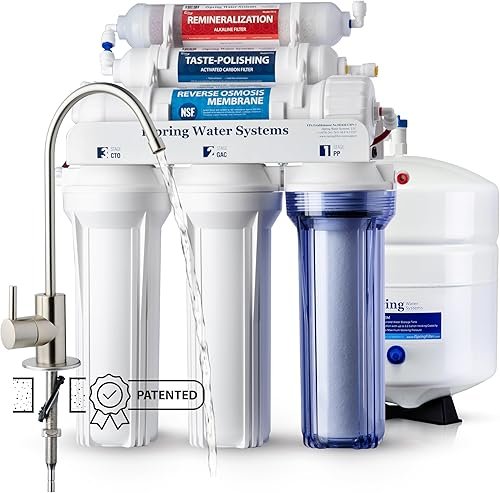
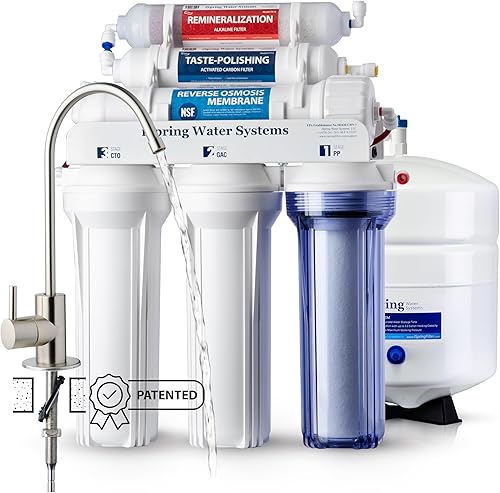
The water coming off the membrane is pure, maybe even too pure. It can taste flat. Many systems add a final carbon filter to polish any remaining tastes. Some, like the iSpring RCC7AK, include an alkaline remineralization stage. This adds back small amounts of beneficial minerals like calcium and magnesium, improving the taste and raising the pH slightly. It’s a nice touch if you dislike the “flat” taste of pure RO water.
Key Benefits of an Under-Sink RO System
Unmatched Contaminant Removal. This is the big one. An RO system certified to NSF/ANSI 58 will reduce a huge list of contaminants: lead, chromium, fluoride, nitrates, and PFAS (PFOA/PFOS). It’s your best defense against a wide range of water quality concerns. If your local water report has you worried, this is the solution.
Superior Taste and Clarity. By removing chlorine, sediment, and dissolved solids, the water tastes clean and neutral. Ice cubes are crystal clear. Coffee and tea flavors come through without interference. In our testing, the difference from basic tap water is night and day.
Cost Savings Over Bottled Water. The initial investment pays for itself quickly. Once installed, you’re producing ultra-pure water for pennies per gallon. No more lugging heavy cases of water home or dealing with plastic waste. It’s a win for your wallet and the planet.
Convenience and Reliability. You have an endless supply of purified water on demand, right from a dedicated faucet. No refilling pitchers or waiting for filters to drip. Modern systems are designed for years of low-maintenance service.
Potential Drawbacks to Consider
Wastewater Production. This is the most common concern. Traditional RO systems can waste 3-4 gallons for every gallon of pure water produced. Newer, more efficient models have improved this ratio significantly, but it’s still a factor. If you have high water costs or are on a septic system, look for a system with a low drain ratio.
Slow Flow Rate. You’re not going to fill a pot for pasta in seconds. The purified water is stored in a small tank, so flow is limited. Tankless models offer better flow but come at a higher cost. For most drinking and cooking needs, the standard tank is perfectly adequate.
Removes Beneficial Minerals. The membrane doesn’t distinguish between bad minerals like lead and good ones like calcium. This is why some systems add a remineralization stage. Honestly, most people get plenty of minerals from food, so this isn’t a major health concern for most.
Installation Space & Complexity. You need room under your sink for the filters, tank, and tubing. Installation requires drilling a hole for the faucet if you don’t have one. It’s a moderate DIY project, but if you’re not handy, hiring a plumber is a good idea.
Types of Under-Sink RO Systems
Standard 4-5 Stage Systems
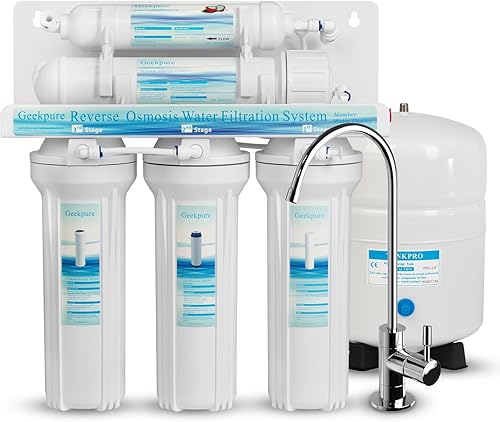
The classic setup. You’ll find sediment filters, carbon filters, the RO membrane, and a final polishing filter. These are reliable, affordable, and get the job done. The Geekpure 5-Stage is a perfect example of this no-frills, effective design.
6+ Stage Systems with Add-Ons
These systems add extra stages for specific benefits. A UV light stage, like on the Geekpure 6-Stage model, kills bacteria and viruses—a great add-on for well water or if you’re extra cautious. Alkaline filters add minerals back for taste. More stages don’t always mean better water, but they can address specific concerns.
Tankless RO Systems
A newer innovation. Instead of storing water in a pressurized tank, these systems filter water on demand. They save a ton of space under the sink and often have a faster flow rate. They’re more expensive upfront and typically require electricity. For a deep dive, check out our guide to the best tankless reverse osmosis system options.
High-Efficiency & Low-Waste Models
These are designed to minimize the wastewater ratio. Some, like the Waterdrop WD-X8, boast a 2:1 pure-to-waste ratio. They use advanced membranes and pumps to achieve this. If reducing water waste is a top priority, this is the category to look at.
Buying Guide: What Actually Matters
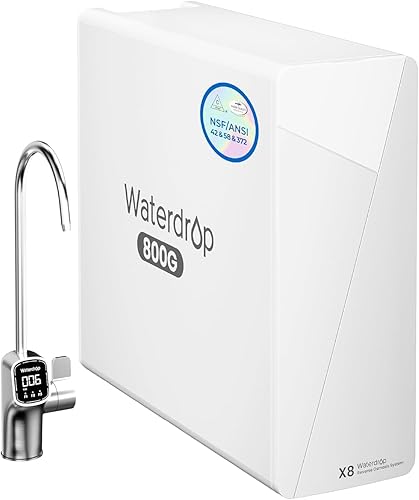
Certifications are Key. Don’t just take a brand’s word for it. Look for independent certification to NSF/ANSI 58 (for RO performance) and NSF/ANSI 42 & 53 (for aesthetic and health effects). The Waterdrop X8 is certified against NSF/ANSI 42, 58, and 372 (for lead-free compliance). This is your guarantee of performance.
Flow Rate (GPD). Gallons Per Day tells you how much water the membrane can produce in 24 hours. 75 GPD is standard and sufficient for most families. 800 GPD, like the Waterdrop X8, is overkill for a home but means it produces water very quickly, which is great for tankless systems.
Drain Ratio. How many gallons of wastewater per gallon of pure water? Older systems are 3:1 or 4:1. Modern efficient systems aim for 2:1 or even 1:1. This directly impacts your water bill.
Filter Replacement Cost & Frequency. The upfront system cost is only part of the story. Check the price and lifespan of replacement filters. Standard-sized filters (like those for the Geekpure models) are often cheaper and more widely available than proprietary ones.
Your Water Source. City water with chlorine? A standard carbon pre-filter is fine. Well water with iron or sediment? You may need a dedicated iron removal water filter before the RO system. Always start with a water test.
Our Top Picks for 2026
| Product | Stages / GPD | Key Feature | Price | Links |
|---|---|---|---|---|
| iSpring RCC7AK | 6-Stage / 75 GPD | Alkaline Remineralization | $5.03 |
Buy on Amazon Buy on eBay |
| Waterdrop WD-X8 | 9-Stage / 800 GPD | NSF Certified, 2:1 Drain Ratio | $7.19 |
Buy on Amazon Buy on eBay |
| Geekpure 5-Stage | 5-Stage / 75 GPD | Universal Compatible Filters | $2.35 |
Buy on Amazon Buy on eBay |
| Geekpure 6-Stage UV | 6-Stage / 75 GPD | UV Sterilization Light | $2.45 |
Buy on Amazon Buy on eBay |
iSpring RCC7AK 6-Stage System
This is the system we recommend to friends and family who are new to RO. The alkaline filter is its killer feature. It solves the “flat water” complaint we hear so often. Installation is straightforward, and the build quality is solid for the price. It’s been a best-seller for years for a good reason—it just works. The 75 GPD membrane is plenty for a household of four.
- Excellent taste from alkaline remineralization
- Proven reliability and easy DIY install
- Includes a lead-free faucet
- Traditional tank takes up space
- Standard drain ratio (not the most efficient)
Waterdrop WD-X8 9-Stage System
If you want high-tech efficiency, this is it. The 2:1 drain ratio is impressive—it barely wastes any water. The 800 GPD flow rate means it filters water incredibly fast, though it does require a power outlet. The NSF certifications give us real peace of mind. It’s a fantastic tankless-style option, though the upfront cost is higher. For well water with potential biological contaminants, the multi-stage filtration is a strong point.
- Outstanding 2:1 pure-to-waste ratio
- NSF/ANSI 42, 58 & 372 certified
- Extremely high flow rate
- Higher initial investment
- Requires electrical outlet under sink
Geekpure 5-Stage System
This is the budget workhorse. No fancy extras, just pure, reliable filtration. The biggest selling point is the universal filter size. You’re not locked into buying expensive proprietary filters forever. We’ve found it produces water just as pure as models costing twice as much. It’s a perfect choice if you want the core benefits of RO without the bells and whistles. Just be prepared for a standard (not great) drain ratio.
- Incredible value for money
- Uses affordable, standard-sized filters
- NSF-certified membrane and tank
- Basic system, no remineralization
- Faucet quality is just okay
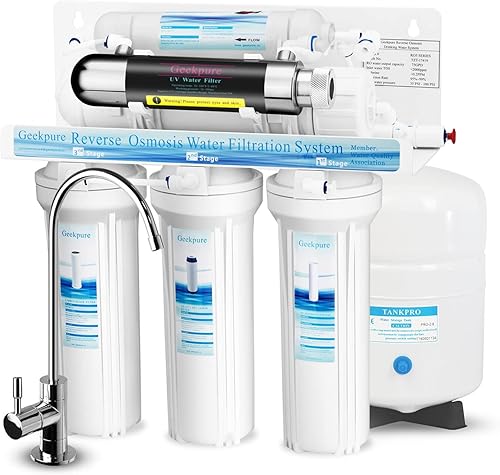
Geekpure 6-Stage UV System
Take the solid Geekpure 5-stage foundation and add a UV light. That’s this system. The UV stage is a powerful extra layer of protection, killing 99.99% of bacteria and viruses. It’s an excellent choice for well water users or anyone with lingering concerns about microbiological safety. The light lasts for years. If you don’t need the UV, save your money. But if you do, this is one of the most affordable ways to get it.
- UV sterilization for complete peace of mind
- Same affordable, universal filters as the 5-stage
- Great for well water applications
- UV bulb will need eventual replacement
- Uses a bit more electricity
AliExpress Budget Options: For the very handy, you can find RO membranes and full DIY kits on AliExpress. The RO Membrane is a popular replacement part. The RO5DX Full System is a complete 5-stage kit. Be prepared for longer shipping and to handle any warranty issues yourself.
Frequently Asked Questions
- How often do I change the filters?
- Pre-filters (sediment and carbon) are typically changed every 6-12 months. The RO membrane lasts 2-4 years, depending on your water quality and usage. The post-filter is usually annual. Always follow the manufacturer’s specific schedule.
- Can I install an under-sink RO system myself?
- Yes, if you’re comfortable with basic plumbing. You’ll need to drill a hole for the faucet (if you don’t have an extra one), connect to the cold water line, and install the drain saddle. Most kits come with clear instructions. It takes 1-2 hours. If you’re unsure, hire a plumber.
- Does reverse osmosis waste a lot of water?
- It depends on the system. Older models can have a 4:1 waste ratio. Newer, efficient models like the Waterdrop X8 have a 2:1 ratio. The wastewater isn’t “dirty”—it’s just concentrated tap water used to clean the membrane. It’s similar to the water you’d use to wash dishes.
- Is reverse osmosis water safe to drink? Does it leach minerals from my body?
- Yes, it’s perfectly safe. The “mineral leaching” myth has been debunked. Your body gets the vast majority of minerals from food, not water. RO water is simply H2O without the contaminants. It does not pull minerals from your body.
- What’s the difference between a 5-stage and 6-stage system?
- The extra stage is usually an add-on like a UV light for sterilization or an alkaline filter for remineralization. A solid 5-stage system handles the core filtration job perfectly. The 6th stage is for specific needs or preferences, not a requirement for purity.
- Can an RO system remove PFAS (forever chemicals)?
- Yes, this is one of its strengths. Reverse osmosis is certified to reduce PFAS (PFOA and PFOS) by over 95%. If PFAS is a concern in your area, an NSF/ANSI 58 certified RO system is one of the most effective home treatment options available.
- Do I need a special faucet?
- Yes. RO systems require a dedicated faucet because the purified water is stored in a tank and delivered at a lower flow rate than your main tap. All the systems we reviewed come with their own lead-free faucet. You’ll need to drill a hole in your sink or countertop if you don’t have an extra hole already.
Final Thoughts
After testing systems from bargain-basement to premium, our advice is simple: don’t overcomplicate it. For most people, a reliable 5 or 6-stage system like the iSpring RCC7AK or the Geekpure models will provide water that’s just as pure as a high-tech, expensive unit. The key is matching the system to your water source and your priorities—whether that’s taste, efficiency, or extra sterilization.
If we were installing a system in our own kitchen today, we’d lean towards the iSpring RCC7AK for its unbeatable balance of price, performance, and taste. But if minimizing water waste is your top concern, the Waterdrop X8 is worth the investment. Whichever you choose, you’re making a fantastic upgrade to your home’s water quality. No more guessing what’s in your glass.
