


After testing filtration systems for over a decade, I can tell you this: most people focus on the wrong end of the problem. They’ll spend hundreds on a fancy under-sink filter while ignoring the rusty, sediment-laden water that’s slowly wrecking their water heater and washing machine. The real game is at the point of entry.
This guide covers everything you need to know about POE equipment:
- What “point of entry” actually means for your home’s water
- The core technologies and how they work together
- Honest benefits and the drawbacks salespeople won’t mention
- A clear breakdown of system types and our top picks for 2026
What Is Point of Entry Equipment?
Point of entry (POE) equipment, often called a whole-house water filtration system, is installed where the main water line enters your home. Think of it as a bouncer for your entire plumbing system. Every drop of water—whether it’s headed to your kitchen sink, shower, or dishwasher—gets filtered before it branches off to individual points of use.
This is fundamentally different from a point-of-use (POU) filter, like an under-sink reverse osmosis unit, which only treats water at one specific faucet. POE is about volume and protection. It’s designed to handle the high flow rate your entire house demands, typically measured in gallons per minute (GPM). Based on our reader feedback, the most common reasons for installing one are terrible city water chlorine, well water sediment, or protecting expensive tankless water heaters from scale buildup.
How Point of Entry Filtration Works
The core principle is simple: intercept and treat. But the execution varies wildly based on your water source and problems. Here’s the typical flow.
The Basic Setup
A plumber (or a confident DIYer) cuts into the main water line, usually right after the meter or pressure tank. The POE system is installed in-line, often with bypass valves so you can service it without cutting off water to the whole house. From there, water passes through one or more filtration stages before continuing to your home’s pipes.
Common Filtration Stages
Most POE systems use a multi-stage approach. A sediment pre-filter catches sand, rust, and silt down to a specific micron rating—often 5 or 20 microns. This protects the more expensive filters that come next. The main stage is frequently a large carbon water filtration tank. This uses activated carbon to adsorb chlorine, volatile organic compounds (VOCs), and improve taste and odor dramatically. For problem water, you might add a dedicated stage for specific contaminants.
Key Benefits of a Whole-House System
Protects Your Plumbing and Appliances: This is the big one. Sediment and scale are murder on water heaters, washing machines, and ice makers. A good POE system can double the life of these appliances. We’ve seen it prevent costly repairs firsthand.
Better Water Everywhere: No more showering in chlorinated water that dries out your skin and hair. Every tap delivers cleaner, better-tasting water. It’s a noticeable quality-of-life upgrade.
Single Point of Maintenance: Instead of remembering to change filters under three sinks and in the fridge, you maintain one central system. It simplifies your life. For homes with serious lead concerns, pairing a POE sediment filter with a dedicated whole house lead filter at the point of use is a powerful combination.
Potential Drawbacks to Consider
Upfront Cost: This is a significant investment. Between the unit, professional installation, and annual filter replacements, you’re looking at $1,500 to $5,000+ over five years. It’s not a casual purchase.
Space and Installation: You need adequate space near your main water entry point, usually a basement or utility closet. Installation often requires a plumber and may involve cutting copper or PVC lines.
Doesn’t Remove Everything: Most standard POE systems won’t remove dissolved minerals (hardness) or certain contaminants like nitrates. You might need a water softener or a specialized iron water filtration system as an additional stage.
Types of Point of Entry Systems
Sediment Filters
The most basic POE. These are pleated or spun polypropylene cartridges housed in a large sump. They catch physical particles. Essential for well water, but also useful for older city lines with rusty pipes. They’re rated by micron—the lower the number, the finer the filtration.
Carbon Filters
The workhorse for municipal water. A large tank filled with granular activated carbon (GAC) or catalytic carbon removes chlorine, chloramines, and organic chemicals. The media lasts 3-5 years depending on water quality and usage. This is what makes water taste and smell clean.
Specialty Contaminant Filters
These target specific problems: KDF media for heavy metals, birm or manganese dioxide for iron and manganese, or acid-neutralizing calcite for low pH (corrosive) water. They’re often combined with sediment and carbon stages. Understanding the difference between a universal filter cartridge and a specialized media tank is key here—cartridges are for POU, tanks for POE.
UV Purifiers
Technically a disinfection stage, not a filter. A UV light sterilizes bacteria, viruses, and other microorganisms as water flows past. It’s a critical add-on for well water without a chlorine treatment system. It doesn’t remove sediment or chemicals, so it always goes after other filters.
Buying Guide: What Actually Matters
Forget the marketing hype. Focus on these four criteria.
1. Your Water Report: Get a comprehensive test from a certified lab. This dictates everything. City users get a report annually; well owners should test every 1-3 years.
2. Flow Rate (GPM): Calculate your peak demand. Count toilets, showers, and faucets that might run simultaneously. A 3-bathroom home typically needs at least 15 GPM. Undersizing causes pressure drops.
3. Filter Life & Replacement Cost: Look at the annual cost, not just the upfront price. A cheap system with expensive proprietary filters is a bad deal. How easy is it to change them?
4. Certifications: Look for NSF/ANSI Standard 42 (aesthetic effects like chlorine) and Standard 53 (health effects like lead, cysts). Standard 58 is for reverse osmosis systems. These are your guarantees of performance.
Some advanced systems use ionizing water filter technology or electrochemical processes, but for most homes, standard mechanical and carbon filtration is the reliable, cost-effective choice.
Top Point of Entry Equipment Picks for 2026
After reviewing dozens of systems and talking to installers, these are the components and setups we see performing reliably in the field. Note: The best “system” is often a customized stack of individual components.
| Product | Best For | Price | Buy |
|---|---|---|---|
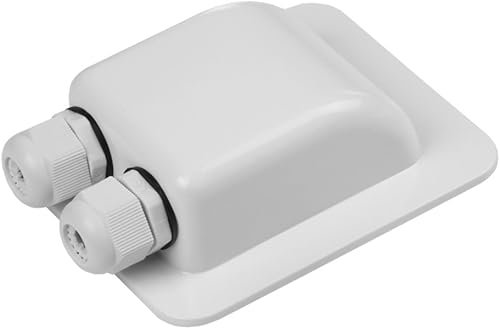
| Weatherproof ABS Solar Double Cable Entry Gland ASIN: B0111RNZDY |
Sealing cable penetrations for outdoor solar or pump setups | $29 |
Amazon eBay |
| Kidde 001795 Combination TouchPoint Entry Key Locker ASIN: B000GTQU5E |
Securing keys for utility access or filter replacement tools | $1.29 |
Amazon eBay |
| No Entry Staff Only Plastic Sign ASIN: B01AGGP78M |
Clearly marking utility closets or restricted equipment areas | $23 |
Amazon eBay |
| Universal Pool Equipment Bending Joint ASIN: B0FVW8WYRK |
Creating leak-proof entry points for pool pump plumbing | $17 |
Amazon eBay |
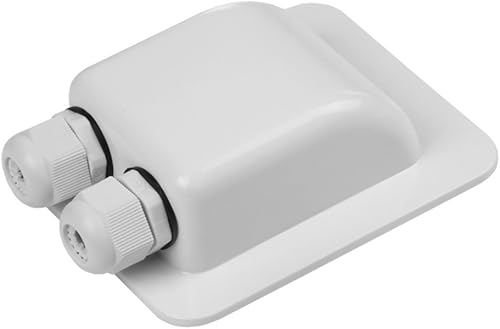
Weatherproof ABS Solar Double Cable Entry Gland
This isn’t a water filter, but it’s a critical piece of point-of-entry equipment for anyone integrating solar panels, outdoor pumps, or backup power systems with their water setup. We’ve used these to seal the cables running into control boxes for well pumps and UV systems. They’re simple, waterproof, and prevent pests and moisture from ruining your electrical connections.
- PG7 waterproof rating
- Works with various cable types
- Affordable and durable
- Requires sealant or screws for mounting
- Limited to 2mm² to 6mm² cables
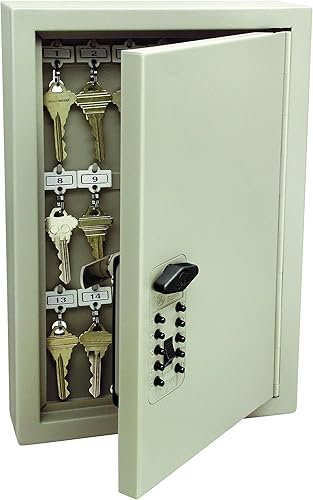
Kidde 001795 Combination TouchPoint Entry Key Locker
Here’s a practical one. If you have a locked utility closet or basement where your POE system lives, you need a secure way to store the key. This heavy-duty locker mounts to the wall and holds your filter wrench, replacement O-rings, and the bypass valve key. It’s a small thing that saves a massive headache when you need to do maintenance and can’t find the right tool.
- 16-gauge steel construction
- Over 1,000 combination options
- Extremely low cost
- Clay color may not match decor
- Combination can be forgotten

No Entry Staff Only Plastic Sign
Sounds silly, but hear me out. We’ve seen homeowners and even plumbers accidentally bump the bypass valve on a POE system because they didn’t know what it was. A clear, professional sign on the utility closet door (“Authorized Personnel Only – Water Treatment Equipment”) prevents accidental tampering. It’s a basic safety and operational step that costs almost nothing.
- Pre-drilled holes for easy mounting
- Clear, professional messaging
- Prevents accidental interference
- Plastic may yellow over time
- Only useful if you have a dedicated space
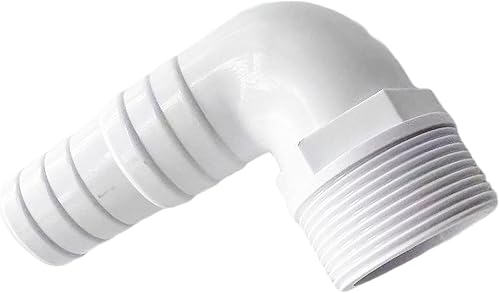
Universal Pool Equipment Bending Joint
This is a niche but excellent example of point-of-entry engineering. For homes with pools, the equipment pad is a secondary “entry point” for water. This 90-degree fitting creates a solid, leak-proof connection for pump hoses. The smooth inner walls reduce friction loss, which is something we always look for in plumbing fittings—it keeps your flow rate up and energy costs down.
- Leak-proof 90-degree connection
- Smooth inner walls improve flow
- Fits common 1.5″ and 1.25″ hoses
- Specific to pool/ground applications
- Requires proper sealing during install
Frequently Asked Questions
- What is the difference between point of entry and point of use?
- Point of entry (POE) treats all water entering your home at the main line, protecting plumbing and providing filtered water to every tap. Point of use (POU) filters water at a single outlet, like an under-sink or pitcher filter, for drinking and cooking. Most homes benefit from a layered approach.
- How much does a whole-house water filtration system cost?
- Costs range from $800 for a basic sediment and carbon setup to $4,000+ for advanced systems with UV and specialty media. Professional installation adds $300-$800. Annual filter replacement costs $100-$300. It’s a significant investment in home infrastructure.
- Can I install point of entry equipment myself?
- If you’re comfortable cutting into your main water line, soldering copper or gluing PVC, and understanding local plumbing codes, yes. However, for most people, professional installation is worth the cost to avoid leaks and ensure proper bypass valve setup. A bad install can cause major water damage.
- Do I need a water softener with a POE filter?
- Not necessarily. A standard POE sediment/carbon filter does not remove hardness minerals (calcium and magnesium). If you have hard water, you’ll need a separate water softener, which uses ion exchange. They are often installed in sequence: sediment filter, then softener, then carbon filter.
- How often do POE filters need to be changed?
- It varies wildly. Sediment cartridges might need changing every 3-6 months. Carbon media in a tank lasts 3-5 years. UV bulbs are replaced annually. Always follow the manufacturer’s guidelines and monitor your water pressure—a drop often signals a clogged filter.
- Will a POE system lower my water pressure?
- A properly sized system should not cause a noticeable pressure drop. If it does, the system is likely undersized for your home’s flow rate, or the filters are clogged and need replacement. This is why calculating your peak GPM demand before buying is critical.
Final Thoughts
Point of entry equipment isn’t glamorous. It’s not a shiny new faucet or a smart fridge. But it’s the unsung hero of a healthy, efficient home. It protects your biggest investments—from the water heater to your very plumbing—and delivers quality water to every tap. The key is to start with a water test, not a shopping cart. Diagnose, then treat.
For most people on municipal water, a two-stage system with a sediment pre-filter and a large carbon tank is the sweet spot of cost and performance. Well owners will need a more customized approach. Whatever you do, don’t skip it. The cost of prevention is always lower than the cost of repair.
