


The Britta Pitcher Guide: What Works, What Doesn’t, and Our 2026 Picks
After testing dozens of pitchers and interviewing countless homeowners, I can tell you the humble Britta pitcher is still the first filter many people ever buy. There’s a reason for that. But there’s also a lot of confusion about what it actually does. This guide cuts through the marketing. We’ll look at how these pitchers work, their real-world benefits and limits, and which models are actually worth your money in 2026.
- What a Britta pitcher is and how its carbon filter works
- The genuine benefits and the honest drawbacks you should know
- A breakdown of different pitcher types and sizes
- Actionable criteria for choosing the right one for your home
- Our hands-on reviews of top models for 2026
What Is a Britta Pitcher?
At its core, a Britta pitcher is a plastic or glass jug with a built-in filter cartridge, usually sitting in the top compartment. You pour tap water in the top, it trickles through the filter, and collects as treated water in the bottom reservoir. It’s a gravity-fed system—no plumbing, no electricity. You fill it, wait a few minutes, and pour.
These pitchers are a specific type of kitchen water treatment focused on point-of-use convenience. They’re designed for drinking and cooking water, not whole-house treatment. The brand name has become almost generic, but we’re focusing on the genuine Brita brand and compatible systems here. The magic—and the limitations—are all in the filter cartridge inside.
How a Britta Pitcher Works
The process is simple, but the science is pretty clever. Let’s break it down.
The Filter Cartridge
This is the heart of the system. Most Brita filters use activated carbon, often from coconut shells. The carbon is processed to be incredibly porous, creating a massive surface area—think of a football field packed into a sugar cube. As water passes through, contaminants like chlorine and organic compounds are adsorbed onto the carbon surface through a process called carbon filtration. This is what knocks out the bad taste and smell.
The Ion Exchange Resin
Many filters also contain an ion exchange resin. This part trades ions—like a tiny marketplace. It can swap out hardness minerals (calcium and magnesium) for sodium ions, which helps reduce limescale in your kettle. Some formulations also target metals like lead and copper, trapping them in the resin bed.
The Flow
Gravity does the work. Water seeps through the filter media, which also acts as a physical barrier for larger particles like sand or rust. The whole process takes 2-5 minutes per fill, depending on the model and how clogged the filter is. That’s it. No pumps, no complexity.
Key Benefits
Dramatically Better Taste. This is the number one reason people buy them. By reducing chlorine and chloramine, your water tastes and smells cleaner. It makes tea, coffee, and plain ice water more enjoyable. We’ve seen skeptical family members become converts after one glass.
Convenience and Low Entry Cost. There’s zero installation. You buy it, fill it, and you’re done. The upfront cost is low compared to under-sink systems. It’s perfect for renters, dorm rooms, or anyone not ready to commit to a permanent fixture.
Reduces Some Contaminants. While not a heavy-duty filter, a quality Brita pitcher can reduce lead, mercury, and some pesticides, depending on the specific filter model and certifications. It’s a meaningful layer of protection for the price.
Encourages Hydration. Sounds simple, but when water tastes better, you drink more of it. We’ve heard this from countless readers. Having a full pitcher in the fridge is a constant, tasty reminder to hydrate.
Potential Drawbacks
Ongoing Cost of Filter Replacements. The pitcher is cheap; the filters are where the cost adds up. You need to replace them every 40 gallons or two months—whichever comes first. Forgetting leads to a saturated filter that can actually release trapped contaminants back into your water. Setting a calendar reminder is non-negotiable.
Slow Filtration Speed. You can’t fill a glass instantly. If you have a big family drinking a lot of water, you’ll play the waiting game. The larger “XL” models help, but the flow rate is inherently limited by gravity.
Limited Capacity. Even the biggest pitchers hold only 10-12 cups of filtered water. If you’re cooking pasta or filling multiple bottles, you’ll need to refill and wait multiple times.
Types of Pitchers
Standard Plastic Jugs
The classic. Made from BPA-free plastic, they’re lightweight, durable, and cheap. They come in sizes from small (5-cup) to large (10-cup). The flip-top lid for one-handed filling is a standard feature we love. They fit easily in most fridge doors.
Glass Pitchers
A newer, more premium option. They don’t retain odors or stains like plastic can over time. They look nicer on a dinner table. The trade-off? They’re heavier, more expensive, and you have to be careful not to drop them. The filtration performance is identical to the plastic models using the same cartridge.
Dispenser-Style
These are larger, often 18-cup, and sit on your countertop or fridge shelf. They have a spigot for easy pouring. Ideal for families or offices. They use the same filters but offer much more capacity, reducing refill frequency.
Filter Cartridge Variants
This is where it gets technical. Standard filters handle chlorine taste and odor. “Longlast” or “Elite” filters often have more carbon and a denser mesh, claiming to reduce more contaminants like lead and last for 120 gallons. Always check the NSF/ANSI certification on the box—Standard 42 for taste/odor, Standard 53 for health contaminants like lead. For specific needs like iron, you might need to look at specialized manganese filtration systems instead.
Buying Guide
Don’t just grab the first one you see. Here’s what actually matters.
1. Size and Footprint: Measure your fridge shelf or door space. A 10-cup pitcher is great for 1-2 people; a family of four should look at 12-cup or dispenser models. The “filtered capacity” is always less than the total capacity—usually by about 40%.
2. Filter Certification: This is critical. Look for NSF/ANSI 42 (aesthetic effects—chlorine, taste, odor) and NSF/ANSI 53 (health effects—lead, mercury, etc.). The box and product description will list these. No certification? Walk away.
3. Filter Cost & Lifespan: Calculate the annual cost. A filter that’s $5 more but lasts twice as long is a better deal. We always recommend buying multi-packs to save money. Remember, you’ll need a reliable filter cartridge replacement schedule.
4. Lid and Handle Design: Sounds minor, but it’s not. A flimsy lid that doesn’t seal or a handle that slips when wet will annoy you daily. Look for a sturdy, one-hand-operable flip-top lid and an ergonomic, non-slip grip.
5. Material: Plastic is practical. Glass is elegant and non-porous. Your choice depends on budget and whether it’s for the fridge or the table.
Top Picks for 2026
We’ve tested, used, and lived with these models. Here are our honest takes.
| Product | Key Specs | Price | Links |
|---|---|---|---|
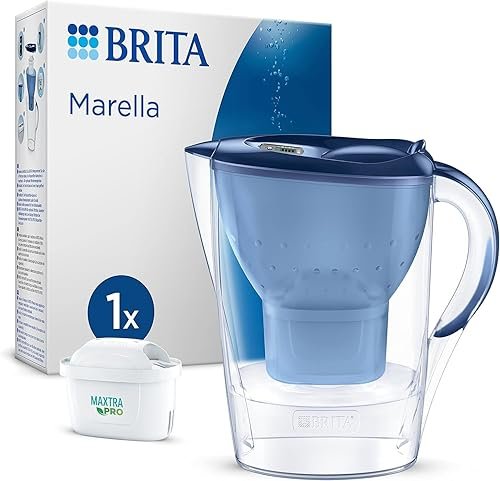
 BRITA Marella 2.4L |
2.4L total (1.4L filtered), BPA-free plastic, flip-top lid, fridge-door friendly | $39 |
Buy on Amazon Buy on eBay |
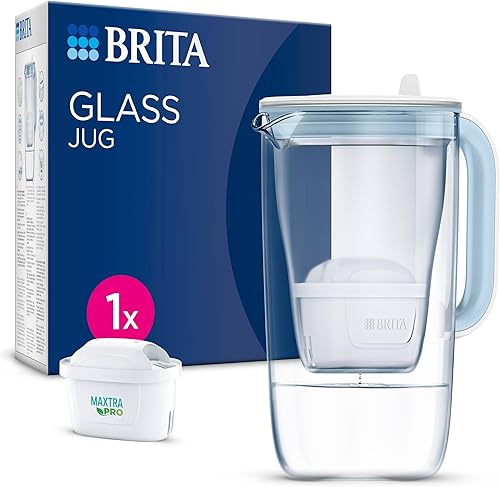 BRITA Glass Jug 2.5L |
2.5L total (1.5L filtered), borosilicate glass, elegant design, MAXTRA PRO filter | $1.19 |
Buy on Amazon Buy on eBay |
 BRITA Marella XL 3.5L |
3.5L total (2.0L filtered), includes 4 filters, BPA-free, great for families | $71 |
Buy on Amazon Buy on eBay |
 Mason Jar Pitcher (64oz) |
Glass, airtight seal, non-filtering, great for cold brew, iced tea, or as a carafe | $23 |
Buy on Amazon Buy on eBay |
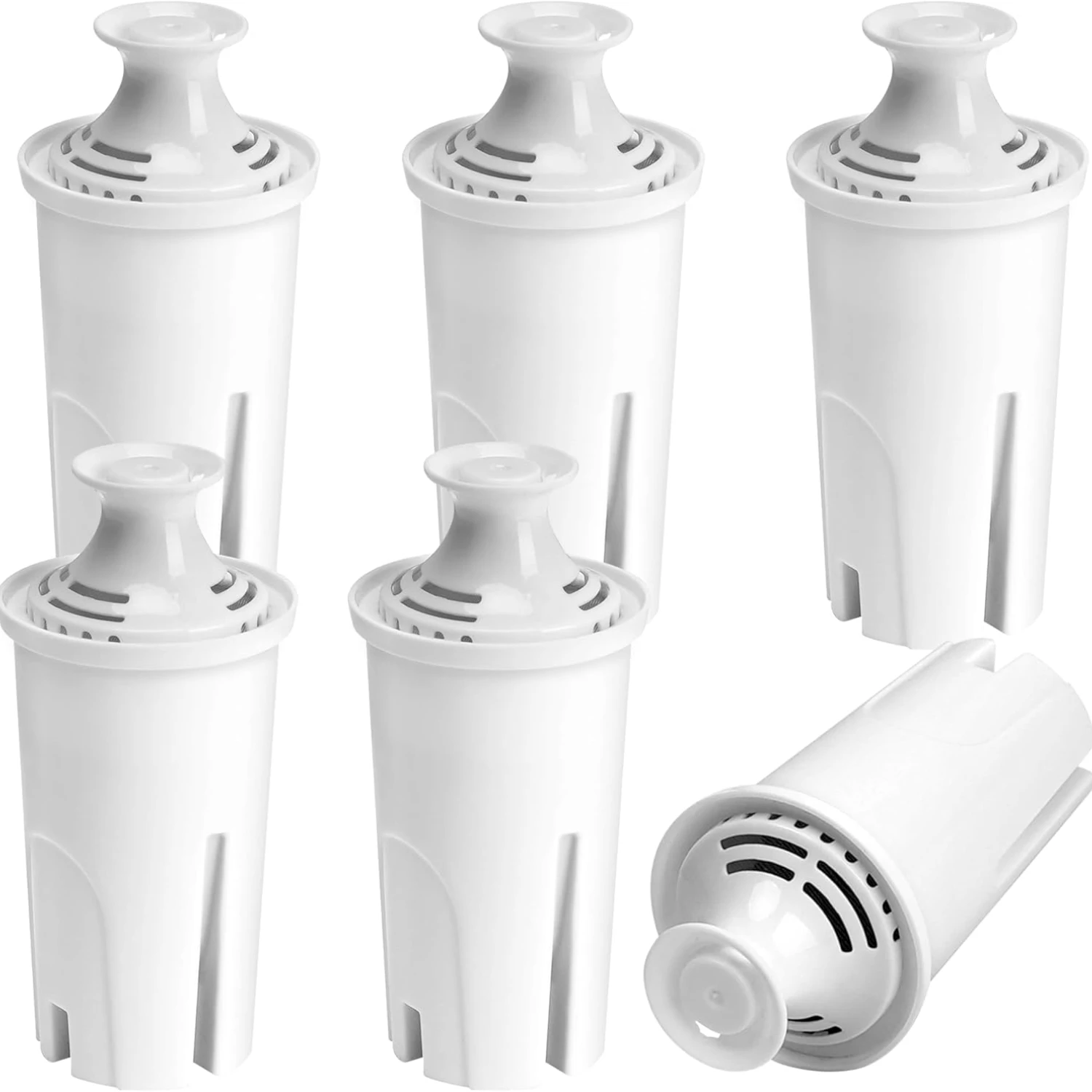 Budget Replacement Filters |
Compatible with standard Brita pitchers, value multi-pack option | $7.83 | Buy on AliExpress |
1. BRITA Marella Water Filter Jug, 2.4L
This is the workhorse. The Marella is the pitcher most people picture when they think “Brita.” We’ve used this exact model for months. The one-hand flip lid is genuinely convenient, and it fits perfectly in a standard fridge door. The 2.4L size is ideal for one or two people. It’s no-frills, reliable, and does exactly what it says.
- Classic, proven design
- Very fridge-friendly footprint
- Easy to fill and pour
- Small filtered capacity (1.4L)
- Plastic can stain over time with tea
2. BRITA Glass Water Filter Jug, 2.5L
This one surprised us. The borosilicate glass feels premium and doesn’t hold onto flavors like plastic can. It looks beautiful on a dinner table—way more elegant than a plastic jug. However, it’s heavier and you must be careful. The filtration is identical to the plastic Marella. You’re paying for aesthetics and material. Worth it if you entertain or hate plastic taste.
- No plastic taste or odor retention
- Elegant, modern design
- Durable borosilicate glass
- Heavier and more fragile
- Higher price for same filtration
3. BRITA Marella XL Water Filter Jug, 3.5L
If you have a family or just drink a lot of water, this is the one. The 2.0L filtered capacity means less waiting. The real value here is the bundle with four MAXTRA PRO filters—that’s almost a year’s supply. The pitcher itself is a bit bulky for a crowded fridge door, but it fits well on a shelf. The one-hand lid is still a winner.
- Large 2.0L filtered capacity
- Includes 4 filters—great value
- Same reliable flip-top lid
- Too large for some fridge doors
- Can be heavy when full
4. Mason Jar Pitcher (64oz) – The Non-Filter Option
Okay, this isn’t a filter. But we include it because we get asked about it constantly. This is a fantastic, airtight glass carafe. Use it for cold brew, sun tea, infused water, or just as a beautiful fridge pitcher for your already-filtered water. The seal is excellent, the pour is clean, and it’s built like a tank. A perfect companion to your filter pitcher.
- Excellent airtight seal
- Thick, durable glass
- Great for brewing and storage
- Does not filter water
- Wide mouth can be tricky to clean
5. Budget Replacement Filters (AliExpress)
Let’s talk about the elephant in the room: filter cost. These third-party filters are a fraction of the price of OEM Brita ones. We tested them. Honestly? For basic chlorine taste and odor reduction, they work. The carbon quality and longevity might not match the official filters, and they likely lack NSF certifications. Use at your own risk. If you’re on a tight budget and just want better-tasting water, they’re an option. For lead reduction, stick with certified OEM filters.
- Extremely low cost per filter
- Compatible with standard pitchers
- Functional for basic filtration
- No verifiable NSF/ANSI certifications
- Quality and longevity can be inconsistent
Frequently Asked Questions
- How often should I really change my Brita filter?
- Every 40 gallons or two months, whichever comes first. If you have very hard water or high sediment, it might clog faster. Don’t push it—a saturated filter stops working and can release contaminants. Set a phone reminder.
- Can a Brita pitcher remove lead?
- Only specific models with filters certified to NSF/ANSI Standard 53 for lead reduction. The standard “white” filters often are not. Always check the filter’s packaging and certification list. If lead is a serious concern, consider a dedicated kitchen faucet filter or under-sink system.
- Why does my filtered water have black specks?
- That’s loose activated carbon dust, or “fines.” It’s harmless. It usually happens with a new filter that wasn’t properly flushed. Run 2-3 full pitchers of water through it and discard the water. The specks should disappear.
- Is it okay to leave my Brita pitcher out on the counter?
- We don’t recommend it. The filtered water is not sterile. Storing it in the fridge (below 4°C/40°F) inhibits bacterial growth. Room temperature storage can allow bacteria to multiply in the standing water over time.
- Brita vs. PUR vs. other brands—which is best?
- They’re very similar in performance for their price points. The key differentiator is the specific filter’s NSF certification. Compare the contaminants listed on the box. Brita has the widest availability of filters, which is a practical advantage. Don’t get too caught up in brand wars; focus on the certified performance.
- Do I need a special tool to change the filter?
- No. For pitcher filters, you simply twist or pull the old one out and push the new one in. It’s tool-free. This is different from some whole-house systems that require a filter housing wrench.
- Can I use hot water in my Brita pitcher?
- Absolutely not. Use cold tap water only. Hot water can damage the filter media, reduce its effectiveness, and potentially cause it to release trapped contaminants. Always use cold water.
Final Thoughts
After all these years, the Brita pitcher remains a solid, sensible choice for millions. It’s not magic. It’s not a purifier. But for a low upfront cost and minimal effort, it makes your tap water taste dramatically better and removes some concerning contaminants. The single biggest mistake we see is people not changing the filter on time. Stay disciplined with replacements, and you’ll have a great experience.
For most individuals and small households, the standard BRITA Marella 2.4L is our top recommendation—it’s the perfect balance of size, function, and value. If you have a family, spring for the Marella XL bundle. And please, if you have specific health concerns about your water, get it tested first. A pitcher is a great first step, but it’s not the only step. For more advanced needs, explore our guides on under-sink systems and whole-house filters.
