


Seeing black streaks in your toilet or tasting something like old pennies in your tap water? You’re likely dealing with manganese. It’s a common headache, especially on well water. We’ve spent years testing filters, talking to plumbers, and seeing what actually works in real homes. This guide cuts through the marketing fluff.
- What manganese is and why it’s a problem.
- How different filter technologies actually remove it.
- The real benefits and the honest drawbacks.
- How to choose the right system for your home.
What Is a Manganese Removal Filter?
Simply put, it’s a water treatment system designed to take dissolved manganese out of your water supply. Manganese is a naturally occurring mineral. In small amounts, it’s not a health concern for most people. But even at low concentrations—sometimes as little as 0.05 mg/L—it causes big problems for your home.
It leaves stubborn black or brown stains on laundry, sinks, and toilets. It can give water a bitter, metallic taste. Over time, it builds up in pipes and water heaters, reducing flow and efficiency. A dedicated filter targets this specific contaminant. It’s different from a basic sediment filter or a system focused solely on chlorine filtration, though many combination systems exist.
How Manganese Removal Filters Work
The core challenge is that dissolved manganese is invisible. You have to change its form to remove it. Here’s how the main technologies pull that off.
Oxidation & Filtration
This is the most common method for whole-house systems. The filter first oxidizes the dissolved manganese, turning it into solid particles. This can be done with air, chlorine, potassium permanganate, or a catalytic media like manganese dioxide. Once it’s a solid, a physical filter bed—often the same catalytic media—traps the particles. The system then backwashes to flush the collected gunk down the drain.
Catalytic Media (Birm, Greensand, Pyrolox)
Think of these as specialized filter beds with a superpower. Media like Greensand Plus is coated with manganese oxide. When water flows through, the dissolved manganese in your water reacts with the coating. It gets oxidized and plated right onto the media grain. Periodic regeneration with an oxidant like chlorine or potassium permanganate cleans the media for reuse. Birm is a lighter, cheaper option but needs a higher pH and oxygen in the water to work.
Ion Exchange (Water Softeners)
Here’s a surprise: a standard water softener can remove manganese, but only if levels are low (typically under 1-2 mg/L) and the water has no dissolved iron. It works by swapping sodium ions for the manganese ions. The problem? It loads up the resin quickly if manganese is high, and you’ll need to clean the resin bed with a chemical like Rust Out to prevent fouling. It’s not a dedicated solution, but it can be a side benefit if your water is right for it.
Key Benefits of Using One
Stain Elimination. This is the number one reason people call us. A good filter stops the black stains on fixtures, laundry, and showers at the source. No more scrubbing with harsh chemicals every week.
Taste & Odor Improvement. That metallic tang disappears. Your ice cubes become clear again. If you’re used to the taste, you won’t realize how bad it was until it’s gone. This is a huge quality-of-life win for home filtered water.
Protects Plumbing & Appliances. Manganese scale buildup is insidious. It clogs aerators, reduces water heater efficiency, and can even damage dishwasher valves. Removing it protects your investment in your home’s infrastructure.
Versatile Integration. You can add manganese removal to a broader treatment train. It pairs well with systems for sediment, iron, and acidity. For complex water, a multi-stage approach is often best, and these filters are a key part of that.
Potential Drawbacks to Consider
Upfront Cost. A quality whole-house oxidation system isn’t cheap. You’re looking at $800 to $2000+ for the unit, plus professional installation if you’re not handy. That’s a real investment.
Ongoing Maintenance. These aren’t “set and forget” systems. They need regular backwashing, media replacement (every 5-10 years), and chemical replenishment if using potassium permanganate or chlorine injection. You have to stay on top of it.
Water Waste. Backwashing filters use water to clean themselves. It’s typically 50-100 gallons per backwash cycle. If you’re on a metered water supply or have septic, you need to account for this.
pH Sensitivity. Many catalytic media require a minimum pH of 6.8-8.0 to work effectively. If your water is acidic, you’ll need a neutralizer tank first, adding complexity and cost to the setup.
Types of Manganese Removal Systems
Whole-House Oxidizing Filters
The heavy-duty solution. Installed where the water line enters your home, they treat every drop. Best for high levels (over 0.3 mg/L) or when combined with iron. The manganese water filter category here is dominated by these tank-based systems.
Point-of-Use (POU) Cartridges
These are under-sink or countertop filters with special manganese-reducing cartridges. They’re good for low levels or as a final polish after a whole-house system. They won’t handle high concentrations or protect your pipes, but they can fix taste and staining at the tap.
Combination Treatment Systems
Many systems tackle multiple issues. You’ll find filters that handle iron, manganese, and sulfur all in one tank. Others might combine sediment filtration with oxidation. This can be cost-effective if your water has several problems. Just make sure the system is properly sized for your worst contaminant.
Buying Guide: What Actually Matters
Get a Water Test First. This is non-negotiable. You need to know your manganese level, iron level, pH, and hardness. A lab test costs $20-$50 and gives you the data to make a smart choice. Guessing is a waste of money.
Match the Technology to Your Water. High manganese + iron? You probably need an air-injection or chlorine-injection oxidizing filter. Low manganese on city water? A specialized cartridge might suffice. Your test results are your roadmap.
Size It Right. The filter’s flow rate (measured in gallons per minute) must meet your home’s peak demand. A filter rated for 5 GPM will cripple a house with two showers running. Look at your well pump’s capacity or your home’s fixture count.
Check the Media & Warranty. What’s the media’s expected lifespan? Is it NSF/ANSI certified? A good warranty on the tank (often 5-10 years) is a sign of quality. Avoid no-name brands with vague claims.
Think about your kitchen filtration needs too. Will this system provide water for drinking and cooking, or do you need a separate dedicated faucet filter?
Our Top Picks & Reviews
We’ve looked at a lot of products. The following tools and components can be part of maintaining your water system or dealing with filtration in other contexts.
| Product | Key Feature | Price | Links |
|---|---|---|---|
 |
Heavy-duty manganese steel construction for filter maintenance | $23 |
Buy on Amazon Buy on eBay |
 |
Manganese alloy for efficient debris filtration | $29 |
Buy on Amazon Buy on eBay |
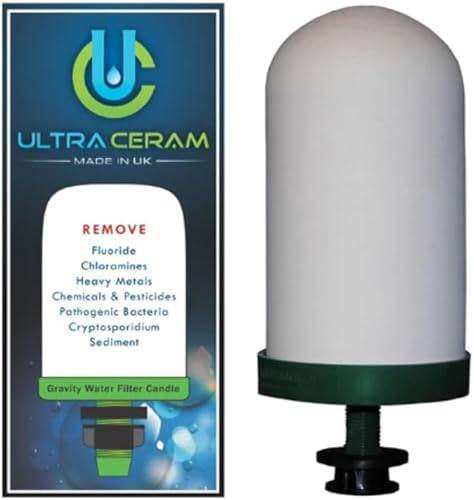 |
Fluoride removal cartridge for gravity systems | $1.09 |
Buy on Amazon Buy on eBay |
 |
70° angled design for heavy-duty filtration tasks | $36 |
Buy on Amazon Buy on eBay |
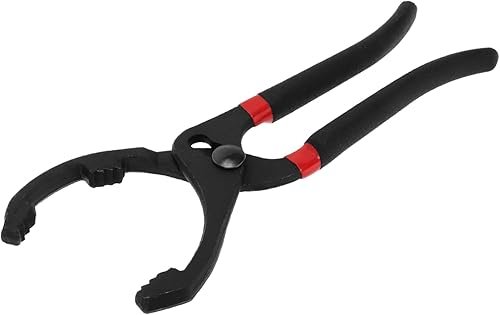
Alipis Universal 10-inch Oil Filter Wrench Pliers
This isn’t a water filter, but it’s a solid tool for anyone doing their own automotive maintenance. The manganese steel gives it good grip and durability for removing stubborn oil filters. We see it as a handy, affordable addition to a garage toolkit, though it won’t help with your water manganese problem.
- Heavy-duty manganese steel construction
- Non-slip handle for secure grip
- Fits standard 10-inch filters
- Specialized for automotive use only
- Not a water treatment product
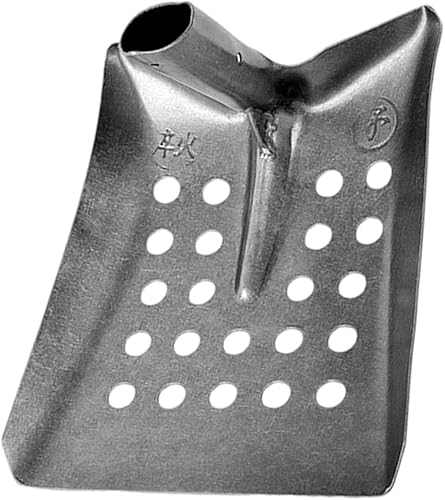
Ergonomic 70° Angled Mesh Drain Tool
Here’s a tool for a different kind of filtration—dealing with sediment and debris in drains or gardens. The manganese alloy promises extra durability. The angled design is genuinely thoughtful for reducing hand strain. It’s a niche product, but if you’re dealing with clogged drains or garden debris, it might be worth a look.
- 70° ergonomic bend reduces fatigue
- Manganese alloy claims 3x durability
- Efficient mesh for sludge retrieval
- Not for potable water filtration
- Specific to drainage/garden tasks
Buy on AliExpress
Frequently Asked Questions
- What is the best way to remove manganese from well water?
- For most wells, an oxidizing filter with a catalytic media like Greensand Plus or Birm is the most reliable method. It oxidizes dissolved manganese into solids and filters them out. Always start with a full water test to confirm levels and pH.
- Can a water softener remove manganese?
- Only partially and under specific conditions. It can remove low levels (usually under 1-2 mg/L) if there’s no iron present. The resin fouls easily with manganese, requiring frequent chemical cleaning. It’s not a dedicated or reliable solution for moderate to high levels.
- How do I know if I need a manganese filter?
- Look for black stains in toilets, sinks, or laundry. A metallic or bitter taste in water is another clue. The only way to know for sure is a lab water test. Manganese often occurs with iron, so test for both.
- How often do you need to maintain a manganese filter?
- Backwashing filters need weekly or bi-weekly automatic backwash cycles. The media bed typically lasts 5-10 years before needing replacement. You’ll also need to replenish oxidants like potassium permanganate every few months, depending on usage.
- Are manganese removal filters expensive to operate?
- Operating costs include water for backwashing, electricity for control valves, and periodic chemical/media replacement. It’s more expensive than a simple sediment filter but cheaper than replacing stained fixtures or a water heater ruined by scale buildup.
- Can I install a whole-house manganese filter myself?
- It’s possible if you’re very comfortable with plumbing. You’ll need to cut into your main water line, ensure proper drainage for backwash, and possibly wire the control valve. For most people, professional installation is worth the peace of mind and warranty validation.
Final Thoughts
Dealing with manganese is a plumbing problem, not just a taste issue. Ignoring it leads to stains, scale, and frustration. The right filter is an investment in your home’s infrastructure and your daily comfort. Don’t skimp on the water test—it’s the cheapest part of the process and saves you from buying the wrong system.
Based on our testing and reader feedback, whole-house oxidizing filters provide the most complete solution for significant manganese issues. Pair it with proper pre-filtration if you have sediment, and consider a point-of-use filter for drinking water if you want that extra polish. Your water—and your plumbing—will thank you.
