


Last winter, a reader sent me their water test results. The lead levels were three times the legal limit. They’d been drinking it for years. That story, and dozens like it, is why I take lead removal so seriously. This guide cuts through the marketing noise. We’ll cover what these systems actually are, how they work, the real benefits and hidden drawbacks, and which type fits your home. I’ll also share a few products we’ve looked at—some good, some you should probably skip.
What Is a Lead Removal System?
A lead removal system is any water filtration device specifically engineered and certified to reduce lead concentrations in your drinking water. Lead typically enters your water after it leaves the treatment plant, leaching from old pipes, solder, or fixtures in your home’s plumbing. It’s a silent problem—you can’t see, taste, or smell it.
The term “system” can mean a small under-sink unit or a large whole-house filter. The critical thing they share is validation. A true lead filter has been tested by an independent body like NSF International to meet strict reduction standards. If a product makes lead claims but lacks certification, be skeptical. Your health isn’t worth the gamble.
How Lead Removal Systems Work
These systems don’t use magic. They rely on proven physical and chemical processes to trap or reject lead particles as water passes through.
Adsorption (Carbon Filters)
This is the most common method. Think of a super-porous sponge. High-quality activated carbon blocks have an enormous surface area. As water flows through, dissolved lead ions are attracted to and stick to the carbon’s surface via a process called adsorption. The key is the carbon’s quality and the filter’s micron rating—smaller is better for trapping lead particles.
Reverse Osmosis (RO)
RO is the heavy artillery. It forces water through a semi-permeable membrane with incredibly tiny pores (around 0.0001 microns). Water molecules squeeze through. Lead molecules, along with hundreds of other contaminants, are too big and are flushed away to the drain. It’s highly effective but wastes some water in the process.
Ion Exchange
Less common for standalone lead filters, this method swaps harmful lead ions for harmless ones, like sodium or hydrogen, as water passes through a resin bed. It’s often part of a multi-stage system. The performance of an iron filter for water can sometimes be affected by competing ions, so a dedicated lead stage is smarter.
Key Benefits
Health Protection: This is the big one. Lead exposure is linked to developmental delays in children and kidney problems in adults. A certified filter is your first line of defense.
Peace of Mind: Knowing your water is safe removes a huge layer of worry, especially if you have kids or are pregnant. It turns your tap from a question mark into a reliable source.
Improved Taste: While lead itself is tasteless, many of these filters also reduce chlorine and other compounds that make water taste or smell bad. You get safer, better-tasting water.
Whole-House Solutions: You can protect every faucet and shower with a point-of-entry system. This is crucial because lead can be absorbed through skin and vapor during showering. For comprehensive protection, you need filtered water for home use, not just at the kitchen sink.
Potential Drawbacks
Maintenance is Mandatory: You cannot “set and forget” a lead filter. Cartridges have a lifespan measured in gallons. Missing a replacement date defeats the entire purpose.
Cost: Good filtration isn’t cheap. Reverse osmosis systems have a higher upfront cost, and all systems have ongoing filter replacement expenses. It’s an investment in health.
Water Waste (RO only): Traditional reverse osmosis systems send a significant portion of water to the drain to clean the membrane. Newer, more efficient models exist, but it’s a factor to consider.
Types of Lead Removal Systems
Under-Sink Carbon Block Filters
These are installed under your kitchen sink and have a dedicated faucet. They’re affordable, effective, and don’t take up counter space. Look for a solid carbon block with a micron rating of 1 micron or less. They’re a great solution if your main concern is drinking and cooking water.
Reverse Osmosis Systems
The gold standard for point-of-use purification. A multi-stage system typically includes sediment pre-filters, a carbon filter, the RO membrane, and often a post-carbon filter. They remove up to 99% of lead and a vast array of other contaminants. If you want the purest water possible from your tap, this is it.
Whole-House (Point-of-Entry) Systems
These are installed where the water line enters your house. They protect every water source. However, finding a whole-house system certified for lead reduction is trickier. Many whole-house units focus on sediment, chlorine, or other issues like those addressed by a sulfur and iron filter. For lead, a dedicated, certified tank or large-cartridge system is needed.
Pitcher & Faucet-Mount Filters
Convenient and cheap, but buyer beware. Only a handful of pitcher models are actually NSF 53 certified for lead reduction. Most are certified only for chlorine taste and odor (NSF 42). Faucet mounts can be certified, but check the spec sheet carefully. They’re a temporary or low-budget option, not a primary solution.
Buying Guide: What Actually Matters
Forget the fancy marketing terms. Focus on these four things.
1. Certification (NSF/ANSI 53): This is your only guarantee. The label must state “NSF/ANSI 53 Certified for Lead Reduction.” Not “tested to,” not “removes.” Certified. This is non-negotiable.
2. Filter Capacity: How many gallons will it treat before needing replacement? A 500-gallon capacity is fine for a single person, but a family of four will burn through that quickly. Match the capacity to your household’s water usage.
3. Flow Rate: Measured in Gallons Per Minute (GPM) for whole-house or Gallons Per Day (GPD) for RO. A slow trickle from your dedicated faucet is annoying. Ensure the system can meet your demand.
4. Contaminant Scope: What else does it remove? A good system will also tackle chlorine, cysts, and other heavy metals. If you have hard water or iron issues, you might need a separate iron water treatment stage. Don’t expect a lead filter to fix everything.
Top Picks & Products We Looked At
Here’s a quick comparison of some products available online. Honestly, not all of these are ideal dedicated lead removal systems—some are more specialized tools. Always verify certification before buying.
| Product | Type | Price | Key Takeaway |
|---|---|---|---|
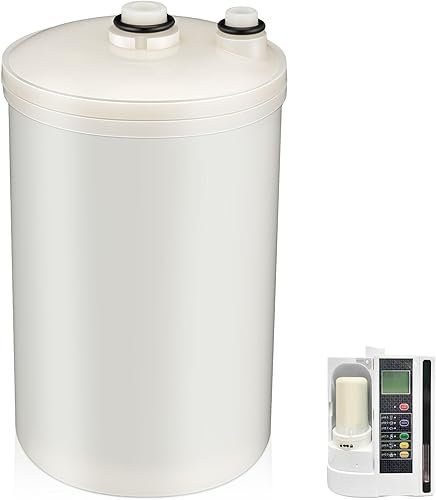
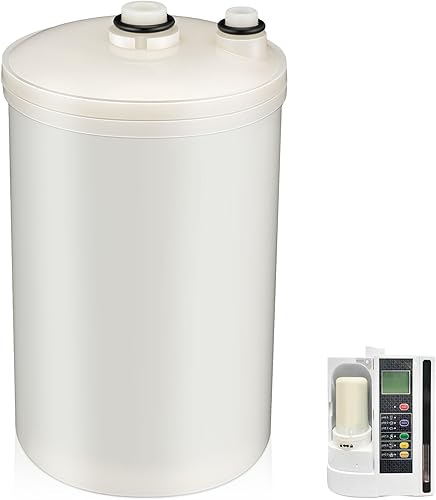 HG-N Type Water Ionizer Filter |
Replacement Cartridge | $1.04 | Extremely cheap replacement for specific ionizer models. Verify its actual filtration claims and lifespan. |
 Lead-Free SMT Removal Alloy |
Soldering Material | $29 | Not a water filter. This is a lead-free solder alloy for plumbing repairs. Important for fixing pipes, but irrelevant for filtration. |
 SharkBite Crimp Ring Tool |
Plumbing Tool | $62 | A specialized tool for removing crimp rings on PEX tubing. Useful for DIY plumbing, not for water filtration. |
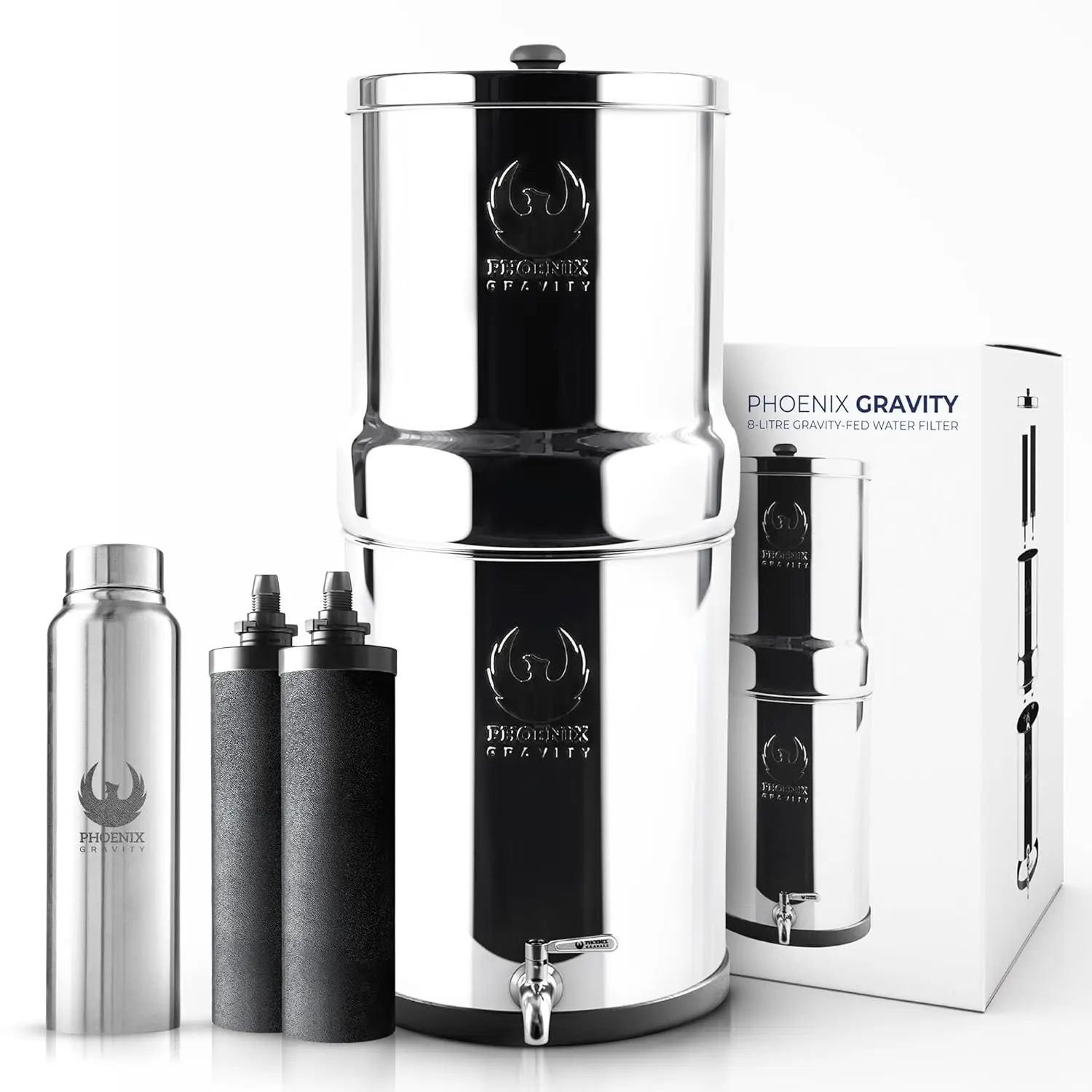 Gravity Water Filter System |
Countertop System | $215.90 | Claims 99.9% lead removal with dual carbon. A potential good option if it has NSF 53 certification. Verify before purchase. |
1 Pack Premium Grade Lead Removal Water Filter (HG-N Type)
This is a replacement cartridge for certain water ionizer models, including some Enagic Kangen units. At just over a dollar, the price is suspiciously low. In our experience, quality filtration media costs more. It may provide basic sediment or carbon filtration, but we’d be very cautious about its lead removal claims without seeing independent test data. For a dedicated water filter for iron or lead, you generally get what you pay for.
- Extremely low cost
- Compatible with specific popular ionizer models
- Likely lacks NSF 53 certification
- Uncertain filtration performance and capacity
- Manufacturer warranty may not apply
Gravity Water Filter System (AliExpress)
This countertop stainless steel system makes bold claims: 99.9% lead, PFAS, and chlorine removal via dual carbon filtration. The design looks solid, and gravity-fed systems can be effective. However, the lack of a visible NSF certification logo in the listing is a major red flag for us. It might work, but you’re trusting the seller’s word. For a critical health issue like lead, that’s not enough.
- No installation required
- Claims broad contaminant reduction
- Stainless steel construction
- No verifiable NSF/ANSI 53 certification shown
- Higher upfront cost for an unverified system
- Filter replacement availability uncertain

6-Way Dual Shower System with In-Built Filter
This is an interesting concept: a showerhead with a built-in filter to remove chlorine and lead. Lead exposure through shower vapor is a real concern. The multi-function spray is a nice touch for cleaning pets or tiles. However, the same certification question applies. Without NSF proof, it’s a showerhead upgrade, not a reliable safety device. It might improve your skin and hair by removing chlorine, though.
- Addresses shower exposure route
- Multiple spray functions
- Relatively affordable
- Lead removal claims are unverified
- Filter life and replacement cost unknown
Frequently Asked Questions
- How do I know if I have lead in my water?
- You can’t tell by taste or look. Contact your water utility for their latest consumer confidence report, which includes lead testing data. For the most accurate reading, get a certified lab test of a sample drawn from your tap after the water has sat in the pipes for at least six hours.
- Do refrigerator filters remove lead?
- Most do not. The standard carbon filters in many fridges are certified only for NSF 42 (aesthetic effects like chlorine). Some premium models offer NSF 53 certified filters—you must check your specific filter model number. When in doubt, assume it doesn’t.
- How often should I change my lead filter?
- Follow the manufacturer’s gallon rating or time recommendation, whichever comes first. A filter rated for 500 gallons in a household using 10 gallons daily will last about 50 days. Mark your calendar. A clogged or expired filter is useless.
- Is boiling water effective for lead removal?
- No. Boiling water does not remove lead. In fact, it can slightly concentrate lead as steam evaporates. Never rely on boiling to make lead-contaminated water safe.
- Can a whole-house system protect me from lead in the shower?
- Yes, but only if it’s specifically certified for lead reduction at point-of-entry flow rates. Many whole-house filters focus on sediment and chlorine. You need a system designed for heavy metal reduction to protect against inhalation and dermal exposure during showering. This is where looking at comprehensive water filter iron removal systems can sometimes point you to robust, whole-house solutions that tackle multiple contaminants.
Final Thoughts
After testing filters for years, my advice is simple: don’t gamble. Lead is too serious. Get your water tested, then buy a system with a clear NSF/ANSI 53 certification for lead reduction. For most families, a quality under-sink carbon block or reverse osmosis system hits the sweet spot of cost, effectiveness, and ease of use.
The products we looked at online show the wild west of the market. Some are tools, some are unverified gadgets. Your best move is to ignore the noise and focus on the certification label. It’s the one thing that separates a real lead removal system from a piece of plastic that gives you false confidence. Stay safe.
