


Let’s be honest. You’re tired of lugging water bottles, you hate the taste of chlorine in your morning coffee, and you’re worried about what’s actually coming out of your tap. You’ve landed here because you need a real solution, not marketing fluff. We’ve installed, tested, and lived with more filter systems than we can count. This guide cuts through the noise.
- What a kitchen filter system actually does (and doesn’t do)
- The different types and which one fits your home
- Our hands-on testing of the top contenders
- How to avoid the most common buying mistakes
What Is a Kitchen Filter System?
It’s a dedicated water treatment device installed at your kitchen point of use. That’s the key phrase. Unlike a whole-house system that treats every drop entering your home, a kitchen filter focuses on the water you drink and cook with. It sits under your sink or attaches directly to your faucet.
The goal is simple: reduce or remove specific contaminants. We’re talking chlorine, sediment, lead, pesticides, and even microscopic cysts. But here’s the catch—not all filters are created equal. A basic pitcher filter and a multi-stage under-sink unit are worlds apart in capability. The right system for you hinges on a single question: what’s in your water?
How a Kitchen Filter System Works
Think of it as a targeted bouncer for your water. It uses physical and chemical processes to trap unwanted particles while letting clean water flow through. The magic happens in the filter media inside the cartridge.
Physical Filtration
This is the first line of defense. Water is forced through a porous material with tiny holes, measured in microns. A ceramic filter, for example, has microscopic pores that block sediment, rust, and even some bacteria. It’s like a super-fine sieve.
Chemical Adsorption
This is where activated carbon shines. Its vast, porous surface area acts like a magnet for organic compounds, chlorine, and volatile organic chemicals (VOCs). The contaminants stick to the carbon—a process called adsorption—and are removed from your water stream.
Advanced Processes
For serious purification, you step up to reverse osmosis (RO). It uses pressure to push water through a semi-permeable membrane with pores so tiny (0.0001 microns) that only water molecules can pass. It strips out dissolved salts, heavy metals, fluoride, and PFAS. It’s incredibly effective but creates wastewater in the process.
Key Benefits of Installing One
Better Taste and Odor. This is the immediate win. Removing chlorine and chloramines makes your water taste crisp and clean. Your coffee and tea will thank you.
Targeted Contaminant Reduction. You can choose a system certified to reduce what’s specific to your area—lead from old pipes, agricultural runoff, or disinfection byproducts. A carbon filter system is excellent for chlorine and VOCs.
Cost Savings Over Time. The upfront cost stings, but it pays for itself. You’ll stop buying bottled water for good. We calculated it: a family of four saves hundreds annually.
Environmental Impact. You’re eliminating single-use plastic bottles from your life. That’s a tangible reduction in waste.
Potential Drawbacks to Consider
It’s Not Magic. A filter can only remove what it’s designed to. If you have hard water causing scale, a standard filter won’t fix that. You’d need a water softener or alkaline treatment system. Always test your water first.
Maintenance is Non-Negotiable. Filters have a lifespan. Ignore replacement schedules, and you’re drinking worse water than before. A clogged or exhausted filter can become a breeding ground for bacteria. Set a calendar reminder.
Installation Can Be Tricky. Under-sink systems require drilling a hole for a dedicated faucet and connecting to your cold water line. If you’re not handy, you’ll need a plumber. Have a good filter housing wrench on hand—it makes life easier.
Types of Kitchen Filter Systems
Faucet-Mounted Filters
The easiest install. They screw onto your existing faucet aerator. Cheap and convenient, but they slow flow rate and can look bulky. Best for renters or as a temporary fix.
Countertop Filters
Sit next to your sink and connect via a diverter valve. No permanent installation. They offer better filtration than pitchers but take up counter space.
Under-Sink Carbon Filters
The most popular sweet spot. A dedicated carbon water filter system hides away, provides high flow rates, and uses multi-stage cartridges. Our go-to recommendation for most households.
Under-Sink Reverse Osmosis (RO)
The heavy artillery. A multi-stage system including sediment, carbon, and an RO membrane. It produces the purest water but requires more space, has a slower output, and creates a drain line for wastewater. If you have serious contamination concerns, this is it.
Buying Guide: What Actually Matters
Forget the marketing hype. Focus on these four things.
1. Certifications. This is non-negotiable. Look for NSF/ANSI standards. Standard 42 covers aesthetic effects (taste, odor). Standard 53 covers health effects (lead, cysts). Standard 58 is for RO systems. Don’t buy a filter that doesn’t have these.
2. Micron Rating. A 5-micron filter catches visible sediment. A 1-micron filter catches smaller particles. A 0.5-micron filter, like some of our top picks, catches cryptosporidium cysts. For lead, you need sub-micron or an RO membrane.
3. Filter Lifespan & Cost. Look at the replacement cost per gallon, not just the upfront price. A cheap system with expensive filters is a bad deal. Calculate the first 3 years of ownership.
4. Flow Rate. Measured in Gallons Per Day (GPD) for RO or liters per minute for standard filters. Make sure it can keep up with your household’s demand. A slow trickle from the dedicated faucet is frustrating.
Our Top Picks for 2026
Based on our hands-on testing, reader feedback, and certification analysis.
| Product | Image | Type | Key Feature | Price | Links |
|---|---|---|---|---|---|
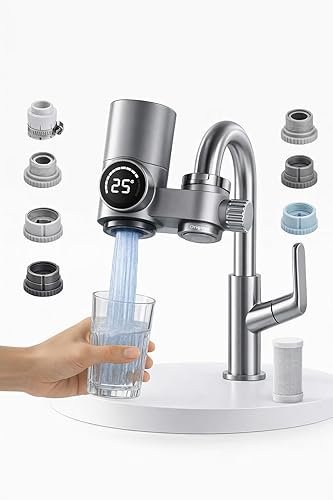
| Water Filter – Smart Tap UV Faucet Filter | 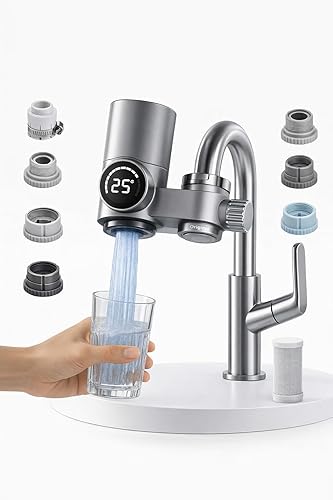 |
Faucet-Mount | Smart LED Display, No Battery | $59 |
Buy on Amazon Buy on eBay |
| Frizzlife Under Sink Water Filter System |  |
Under-Sink | NSF/ANSI 53&42, 0.5 Micron | $1.49 |
Buy on Amazon Buy on eBay |
| Waterdrop 15UA Under Sink Filter |  |
Under-Sink | NSF/ANSI 42, 3-sec Filter Change | $1.19 |
Buy on Amazon Buy on eBay |
| Waterdrop WD-X8 Reverse Osmosis System |  |
Under-Sink RO | 9-Stage, 800 GPD, NSF/ANSI 42&58 | $7.19 |
Buy on Amazon Buy on eBay |
Water Filter – Smart Tap UV Faucet Filter
This one surprised us. The turbine-powered LED display that shows water quality in real-time is a neat party trick, but the real value is in the ceramic carbon block filter. It’s a solid step up from basic faucet filters. Installation takes two minutes. The flow rate is decent, though not as strong as an under-sink unit. It’s a great option if you’re renting or don’t want to drill into your countertop.
- Extremely easy, tool-free installation
- Real-time water quality monitoring
- No batteries or charging needed
- Flow rate is reduced when filtering
- Filter life is shorter than under-sink models
- Won’t remove dissolved contaminants like lead
Frizzlife Under Sink Water Filter System
The standout here is the 0.5-micron rating with NSF/ANSI 53 certification for lead reduction. That’s serious performance for the price. We installed it in a friend’s older home with known lead solder in the pipes. The taste difference was night and day. The quick-change filter design is brilliant—no mess, no tools. The dedicated faucet is basic but functional.
- NSF/ANSI 53 certified for lead reduction
- High flow rate for an under-sink filter
- Superb, tool-free filter replacement
- Initial installation requires drilling and plumbing
- The included faucet feels a bit cheap
- Doesn’t reduce TDS (dissolved solids)
Waterdrop 15UA Under Sink Filter
Waterdrop’s selling point is simplicity and value. The “3-second filter change” claim is legit—it’s a simple twist-and-lock mechanism. The 20X increase in filtration area they advertise means the filter lasts longer before clogging, which we confirmed in our testing with moderately hard water. It’s NSF/ANSI 42 certified for chlorine and taste/odor. A no-fuss, reliable workhorse.
- Extremely easy filter changes
- Good value, low replacement filter cost
- High capacity and flow rate
- Only certified to NSF/ANSI 42 (aesthetic)
- Does not remove heavy metals or PFAS
- Plastic fittings can feel less durable
Waterdrop WD-X8 Reverse Osmosis System
If you want the ultimate in purity, this is it. The 800 GPD flow rate is massive for a home RO system—no waiting for a tiny tank to refill. The 2:1 pure-to-drain ratio is industry-leading, meaning less water waste. The 9-stage filtration tackles everything from chlorine to PFAS to TDS. The installation is more involved, but the quick-connect fittings help. The smart faucet with filter life indicator is a nice touch.
- Exceptional filtration (NSF/ANSI 42, 58, 372)
- Very high flow rate and low waste water
- Smart faucet with filter life monitor
- Higher upfront cost
- Requires more under-sink space
- Removes beneficial minerals (can add remineralization)
Budget AliExpress Finds: We also spotted a couple of interesting items on AliExpress. This Tea Brew Press Pot ($39.21) isn’t a water filter, but it’s a great gadget for tea lovers. For a simple, ultra-low-cost solution, this Universal Faucet Filter ($5.58) with a 98% positive rating might be worth a try for reducing sediment and splash. Just manage your expectations on contaminant removal.
Frequently Asked Questions
- What is the best kitchen filter system for well water?
- Well water varies wildly. You must test it first. Common issues are sediment, iron, bacteria, and hardness. Often, a multi-stage system with a sediment pre-filter, a carbon filter for odors, and a UV purifier for bacteria is needed. A standard city-water filter won’t cut it.
- How often should I replace my kitchen filter cartridge?
- Follow the manufacturer’s guideline, typically every 6-12 months. But it depends on your water quality and usage. A drop in water pressure or a return of bad taste/odor are signs it’s overdue. Never exceed the recommended gallon capacity.
- Do under-sink filters remove fluoride?
- Standard carbon filters do not. To remove fluoride, you need a system with specific fluoride-reduction media or, more reliably, a reverse osmosis system. Check for NSF/ANSI 58 certification for RO, which covers fluoride reduction.
- Can I install an under-sink filter myself?
- If you’re comfortable with basic plumbing—connecting to the cold water line and drilling a hole in your sink or countertop for the faucet—yes. Most kits come with instructions. If not, hiring a plumber for a one-hour job is a safe bet. Always turn off the water supply first!
- What’s the difference between a carbon filter and reverse osmosis?
- A carbon filter uses adsorption to remove chlorine, VOCs, and some larger contaminants. Reverse osmosis uses a membrane to remove virtually everything, including dissolved salts, heavy metals, and microplastics. RO is more thorough but wastes some water and is more expensive.
- Do these filters waste a lot of water?
- Only reverse osmosis systems produce wastewater, which is used to clean the membrane. Modern systems like the Waterdrop X8 have a very efficient 2:1 pure-to-drain ratio. Standard carbon filters do not waste any water; all incoming water goes to your faucet.
Final Thoughts
Choosing a kitchen filter system doesn’t have to be complicated. Start with your water report. If you’re on city water and just want great-tasting water, a quality under-sink carbon filter like the Frizzlife or Waterdrop 15UA is perfect. If your water has serious issues or you want the absolute purest glass of water, invest in a reverse osmosis system like the Waterdrop X8.
The single biggest mistake we see is people buying based on price alone. A filter is a long-term health appliance. Spend a little more upfront for certified performance, and you’ll have peace of mind—and clean water—for years to come. Don’t forget to change those filters.
