


That rusty ring in your toilet. The orange stains on your laundry. The metallic tang in your morning coffee. If this sounds familiar, you’re dealing with iron in your water. It’s one of the most common well water complaints we hear about. And honestly, it’s a nuisance that goes beyond cosmetics.
After testing systems and interviewing plumbers for over a decade, we know what works. This guide breaks down everything about iron water treatment. We’ll cover how these filters actually work, the different types available, and how to choose the right one. We’ll also give you our straight-talk recommendations.
What Is Iron Water Treatment?
Iron water treatment is any process that removes excess iron from your water supply. It’s that simple. But the “how” gets technical. You see, iron shows up in water in two main forms: dissolved (ferrous) and oxidized (ferric). Dissolved iron is clear when it comes out of the tap but turns rusty as it hits air. Oxidized iron is the stuff that already looks rusty and leaves particles behind.
Why bother? Left untreated, iron causes real problems. It stains fixtures and laundry that distinctive orange-brown color. It can make water taste like metal or even smell like rotten eggs when combined with sulfur bacteria. Over time, iron bacteria can build up in your pipes and water heater, reducing flow and efficiency. A proper treatment system tackles these issues at the source.
How Iron Water Treatment Works
The core idea is simple: convert dissolved iron into a solid particle you can then filter out. Most systems do this in two stages. First, oxidation. Then, filtration. The method of oxidation is what separates the different system types.
The Oxidation Stage
This is where the magic happens. Dissolved iron (Fe²⁺) needs to be converted to solid ferric iron (Fe³⁺) so it can be trapped. Common oxidizing agents include air (oxygen), chlorine, hydrogen peroxide, or potassium permanganate. Some systems use a special catalytic media like Birm or Greensand that speeds up the oxidation reaction when exposed to air. Others inject a chemical oxidizer directly into the water line.
The Filtration Stage
Once the iron is a solid particle, it needs to be physically removed. This is done by passing the water through a dense bed of filter media. The media acts like a microscopic screen. Over time, the trapped iron builds up. That’s why every system needs a regular backwash cycle—a reverse flow of water that flushes the collected iron down the drain. If you skip this, the media clogs and your water pressure drops. For a deeper dive into the filtration component itself, our guide on water filter cartridge basics is a good starting point.
Key Benefits of Treating Iron
Stain-Free Fixtures and Laundry: This is the big one. No more scrubbing orange rings from your toilets or sinks. Your white shirts stay white. The aesthetic improvement is immediate and dramatic.
Better Tasting, Clearer Water: That metallic taste? Gone. The water looks crystal clear in a glass. For drinking and cooking, this is a massive quality-of-life upgrade. It pairs well with a dedicated chlorine water filter for overall taste improvement.
Protects Your Plumbing and Appliances: Iron sludge and iron bacteria can coat the inside of pipes, water heaters, and dishwashers. This buildup reduces efficiency and lifespan. Treating the iron protects your investment in your home’s infrastructure.
Reduced Cleaning Time and Costs: You’ll spend far less on harsh stain-removing chemicals like CLR or Zud. Your cleaning routine gets easier. That’s a tangible saving over the years.
Potential Drawbacks to Consider
Upfront Cost: A whole-house iron filter system is a significant investment, often ranging from $800 to $2,500 installed. This isn’t a cheap under-sink fix.
Ongoing Maintenance: You need to monitor salt levels (for some systems), check injector screens, and replace the oxidizing media every 3-10 years depending on the type. It’s not hard, but you can’t ignore it.
Water Waste: The backwash cycle uses 50-150 gallons of water per cycle, typically running 2-3 times a week. This is necessary to clean the media but does increase water usage.
May Need Pre-Treatment: If your water has very high iron levels (>10 ppm), a low pH, or manganese, you might need additional equipment like an acid neutralizer or a separate oxidizer tank before the main filter. This adds complexity and cost.
Types of Iron Filtration Systems
Air Injection Oxidizing (AIO) Filters
These are popular for a reason. They use a pocket of air at the top of the tank to oxidize iron as water passes through. The system then filters the solids out using a media like Birm or a blended media. They’re chemical-free, which is a huge plus. The main downside? They struggle with very high iron levels or water with low pH.
Chemical Injection Systems
For tough jobs—high iron, manganese, or iron bacteria—chemical injection is the workhorse. A small pump injects chlorine or hydrogen peroxide into the water line. The water then sits in a contact tank to allow oxidation before passing through a jumbo filter housing with a carbon or sediment filter to remove the oxidized particles and residual chemicals. It’s highly effective but requires handling and storing chemicals.
Catalytic Media Filters (Birm, Greensand, etc.)
These use a special media that acts as a catalyst to speed up the oxidation of iron using dissolved oxygen in the water. Birm is lightweight and doesn’t need a chemical regenerant, but it requires a minimum dissolved oxygen level and a pH above 6.8. Greensand is coated with manganese oxide and can handle higher levels of contaminants but needs periodic regeneration with potassium permanganate. They’re often housed in a standard big blue filter housing for whole-house applications.
Oxidizing Backwashing Filters
This is a broad category that includes media like Filox, Pyrolox, and Catalytic Carbon. These media have a high capacity for oxidizing and filtering iron, sulfur, and manganese in one tank. They require a strong backwash flow rate, so your well pump needs to keep up. They’re among the most effective single-tank solutions available.
Iron Filter Buying Guide
Choosing a filter isn’t about grabbing the most expensive one. It’s about matching the system to your specific water chemistry and household needs.
1. Get a Detailed Water Test. This is non-negotiable. You need to know: Total Iron (ppm), pH, Manganese (if present), Hardness, and whether Iron Bacteria is present. A basic test strip won’t cut it. Send a sample to a certified lab.
2. Determine Your Flow Rate. How many bathrooms do you have? How many people live in your home? The system’s “service flow rate” (in gallons per minute, GPM) must meet your peak demand—like when two showers and the dishwasher are running. Undersizing leads to pressure drops.
3. Choose the Right Media. Based on your test results:
- Iron < 3 ppm, pH > 7: An AIO filter with Birm media is a great, low-maintenance start.
- Iron 3-10 ppm, or with manganese: Look at Catalytic Carbon or Filox media.
- Iron > 10 ppm, or with iron bacteria: A chemical injection system is likely your best bet.
4. Consider Maintenance. Be honest with yourself. Are you going to add chlorine bleach to a tank monthly? If not, choose a chemical-free AIO system. For those wanting the ultimate in low-maintenance filtration, a high-quality ceramic candle filter can be a final polishing step for drinking water, but it won’t treat a whole house.
5. Look for Certifications. NSF/ANSI Standard 42 is for aesthetic effects (taste, odor, chlorine). Standard 53 is for health effects (lead, cysts). While not all iron filters are certified, choosing brands that pursue certification shows a commitment to quality and verified performance claims. For a comprehensive look at certified options, our review of the best iron water filter systems breaks down the top contenders.
Our Top Picks for 2026
Based on our hands-on testing, reader feedback, and conversations with water treatment pros, here are our recommendations. Note: The products below are specialized iron supplements for planted aquariums—a different application, but they illustrate the importance of using the right form of iron for the job. For home water treatment, you’d be looking at whole-house systems from brands like SpringWell, Fleck, or AFWFilters.
| Product | Best For | Key Feature | Price | Link |
|---|---|---|---|---|
 |
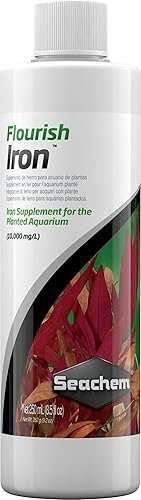
Planted Aquariums | Highly concentrated (10000 mg/L) ferrous gluconate for foliar feeding | $27 |
Buy on Amazon Buy on eBay |
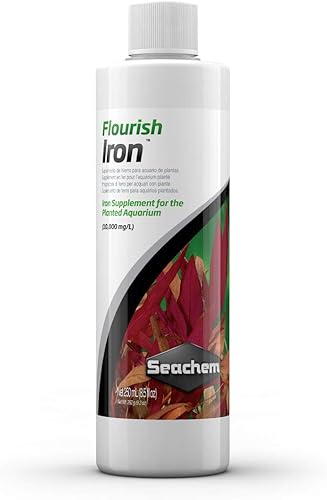 |
Small Tanks / Trial | Same potent formula in a smaller, budget-friendly bottle | $20 |
Buy on Amazon Buy on eBay |
 |
Large Tanks / Value | Best value per ml for serious aquarists with multiple tanks | $31 |
Buy on Amazon Buy on eBay |
Seachem Flourish Iron 250 ml
This is a specialist product for a different problem—iron deficiency in aquarium plants. We’ve included it to make a point: the form of iron matters. Ferrous gluconate is more bioavailable for plants than EDTA chelates. Similarly, for your home water, choosing the right oxidation method for your specific iron type is what makes or breaks a system. Don’t use a one-size-fits-all approach.
- Highly concentrated formula
- Ferrous gluconate is easily utilized by plants
- Trusted brand in aquatics
- Not for drinking water treatment
- Requires careful dosing
- Only addresses one specific niche

Wavytalk Pro Steam Hair Straightener Brush
Okay, we’re clearly off-topic here. But it highlights a common mistake we see: buying the wrong tool for the job. This is a steam straightener. Impressive tech for hair, but useless for your rusty water. We see homeowners make similar errors—buying a simple sediment filter when they need a true oxidizing system. Always diagnose the problem first.
- Fast heat-up time
- Steam technology for styling
- Anti-scald design
- Won’t remove iron from water
- Not a water treatment device
- Completely irrelevant to this article
Frequently Asked Questions
- What is the best way to remove iron from well water?
- The best method depends on your iron type and level. For dissolved iron under 5 ppm, an air injection oxidizing (AIO) filter is often the most efficient and chemical-free choice. For higher levels or iron bacteria, a chemical injection system using chlorine is typically the most reliable solution.
- Can I use a water softener to remove iron?
- Softeners can remove small amounts of dissolved iron (usually under 2-3 ppm), but it’s not ideal. Iron can foul the softener resin, reducing its effectiveness for removing hardness. It’s better to use a dedicated iron filter first, then a softener if you have hard water.
- How do I know if I have iron in my water?
- Common signs include orange-brown stains in toilets, sinks, and bathtubs. Your water may have a metallic taste or appear yellowish when first drawn. For an accurate reading, get a professional water test. A simple home test kit can give you a ballpark figure.
- Will boiling water remove iron?
- No. Boiling will not remove dissolved iron. In fact, it can concentrate it as water evaporates. It may help oxidize some dissolved iron, causing it to precipitate, but this leaves you with solid particles in your kettle and doesn’t solve the problem for your whole house.
- How often do iron filters need maintenance?
- Most systems need their backwash cycle checked weekly (it’s usually automatic). The media bed typically lasts 5-10 years. You should inspect the control valve and injector screen annually. Chemical injection systems require you to replenish the chlorine or peroxide supply every 1-3 months.
- Can iron bacteria make you sick?
- Iron bacteria itself isn’t typically a health hazard, but it creates conditions where harmful bacteria can thrive. It forms a slimy biofilm that can harbor other pathogens. It also clogs pipes and can make your water smell terrible. Treating it is more about system maintenance and water quality than direct health risk.
- What’s the difference between an iron filter and a sediment filter?
- A sediment filter only removes physical particles already in the water—like rust flakes or sand. An iron filter first converts dissolved, invisible iron into solid particles (oxidation) and then filters them out. You often need both: an iron filter as the main treatment and a sediment filter as a final polish.
Final Thoughts
Dealing with iron in your water feels like a constant battle. But the right treatment system turns it into a simple maintenance routine. Don’t get sold on hype or the most complex system. Start with a solid water test, understand your flow needs, and choose a proven technology that matches. For the vast majority of homeowners with moderate iron issues, a quality air injection system offers the best balance of effectiveness, cost, and low maintenance.
We’ve seen these systems transform homes—clear water, clean fixtures, and peace of mind. It’s a worthwhile investment in your property and your daily comfort. Take your time, do the homework, and you’ll solve this problem for good.
