


You’ve seen the debates. Maybe you’ve tested your own tap water and weren’t happy with the numbers. Dealing with fluoride isn’t just about what you drink—it’s in your shower, your cooking, your laundry. That’s where whole house fluoride removal comes in. We’ve spent months researching systems, talking to installers, and looking at real-world data. This guide covers what these systems are, how they work, and whether one actually makes sense for your home.
- What whole house fluoride removal actually means
- The science behind the filtration media
- Key benefits and honest drawbacks
- Different system types and our top picks
What Is Whole House Fluoride Removal?
Whole house fluoride removal is exactly what it sounds like: a point-of-entry filtration system installed where your water line enters your home. It treats every drop—shower, kitchen sink, washing machine, garden hose. This is different from a simple under-sink drinking water solution. It’s a bigger commitment, both in cost and installation.
Why would you need it? Some municipalities add fluoride to water supplies. Others have naturally occurring fluoride that can exceed recommended levels. High fluoride over time isn’t ideal. A whole house system gives you control over every water source in your home. It’s not just about taste—it’s about reducing exposure during showers and while cooking.
But here’s the truth: most people don’t need this. If your fluoride levels are within safe limits, a point-of-use filter at your kitchen tap is usually enough. We always recommend testing your water first. Get a real lab report before investing thousands.
How Whole House Fluoride Removal Works
These systems aren’t simple carbon filters. Removing fluoride requires specific media and proper contact time. The water flows through a large tank or series of cartridges packed with filtration media designed to adsorb or exchange fluoride ions.
The Primary Media: Activated Alumina & Bone Char
Activated alumina is a porous, granular material made from aluminum oxide. It’s highly effective at adsorbing fluoride when the water pH is slightly acidic (around 5.5). The media has a huge surface area. Fluoride ions stick to it as water passes through. It needs periodic regeneration with a sodium hydroxide solution, which is why professional setup matters.
Bone char is the other major player. It’s literally charred animal bones—usually cattle. The carbon and calcium phosphate in the bone char attract and bind fluoride. It’s a more natural option but has capacity limits. It works best at a neutral to slightly alkaline pH.
Contact Time & Flow Rate
This is the part most people get wrong. You can’t just shove a cartridge in a standard replacement filter cartridge housing and call it a day. Fluoride removal requires slow flow rates. The media needs sufficient “empty bed contact time” with the water to work. That’s why whole house systems use large tanks—often 1.5 to 2 cubic feet of media—to slow the water down without causing pressure drops.
Key Benefits
Comprehensive Protection: Every faucet, shower head, and appliance gets filtered water. No more worrying about fluoride absorption through skin during showers.
Appliance Longevity: Reduced scale and mineral buildup can help your water heater, coffee maker, and washing machine last longer.
Peace of Mind: You know exactly what’s (not) in your water, from the kitchen to the bathroom. It simplifies life—one system handles it all.
Improved Taste & Odor: Most of these systems also remove chlorine, sediment, and other compounds that affect water quality.
Potential Drawbacks
Warning: This is not a weekend DIY project for most people. Installation often requires plumbing modifications, a drain line for backwashing, and proper placement. You might need a professional plumber. The systems are also large—they need space in your garage, basement, or utility closet.
Cost is significant. Expect to pay $1,500 to $3,000+ for a quality system with installation. Media replacement every 1-3 years adds ongoing cost. And if you have high water usage, you’ll need a larger, more expensive system to maintain flow rate.
Types of Whole House Fluoride Systems
Backwashing Tank Systems
The gold standard. A large fiberglass tank (usually 10″ x 54″ or bigger) filled with activated alumina or bone char. An automatic control valve backwashes the media periodically to flush out trapped contaminants and re-classify the bed. These have the highest capacity and longest media life. They’re what we recommend for serious whole house treatment.
High-Capacity Cartridge Systems
Uses large 4.5″ x 20″ “Big Blue” style housings with specialized fluoride-reduction cartridges. Easier to install and often cheaper upfront. But the cartridges have much lower capacity—they might only last 6 months depending on your water quality and usage. They also create more pressure drop. This approach can work for lower-flow applications or smaller homes.
Reverse Osmosis (RO) Hybrid
Some homeowners pair a whole house sediment/carbon system with a high-output clean drinking water RO system for the kitchen. RO removes 85-95% of fluoride. This is cost-effective if you only need purified water for drinking and cooking. But it won’t help with shower or laundry water. For that, you’d need a massive, impractical RO system for the whole house.
Buying Guide: What Actually Matters
1. Get Your Water Tested First. Seriously. Know your exact fluoride level, pH, and flow rate. A system designed for 2 ppm fluoride won’t work the same at 10 ppm.
2. Calculate Your Peak Demand. How many bathrooms? People? A family of four with three bathrooms needs at least a 1.5 cu ft tank. Undersizing is the single biggest mistake we see.
3. Media Type. Activated alumina is more effective but pH sensitive. Bone char is more forgiving but has lower capacity. Some systems blend both.
4. NSF/ANSI Certification. Look for certification to Standard 58 for fluoride reduction. It’s your guarantee of performance. Don’t trust vague marketing claims.
5. Installation & Maintenance. Does it need a drain? Electricity? How easy is media replacement? Factor these ongoing costs in. Sometimes, a simpler water distiller machine for drinking water is a smarter starting point.
Our Top Picks for 2026
We focused on systems and components that address whole house fluoride reduction. Here’s a quick comparison of some key products.
| Product | Key Feature | Price | Links |
|---|---|---|---|
 |
3-stage countertop system with Cerametix & alkaline filters | $2.41 |
Buy on Amazon Buy on eBay |
 |
2-stage 0.22 micron carbon block for lead, cyst, & fluoride | $3.75 |
Buy on Amazon Buy on eBay |
 |
Alternative 3-stage Cerametix kit with different faucet | $2.41 |
Buy on Amazon Buy on eBay |
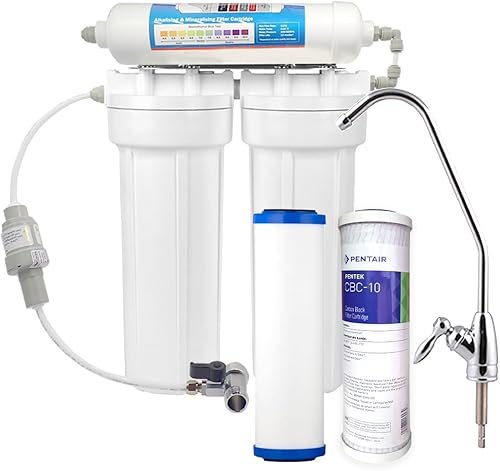
3 Stage Cerametix Fluoride Removal Kit with Alkaline (Faucet Kit A)
This is a point-of-use countertop system, not a whole house solution. But it’s a good, affordable entry point for testing fluoride removal technology. The Cerametix filter is designed to reduce fluoride, and the alkaline stage adds minerals back. We see this as a solid drinking water option for renters or those on a tight budget who want to target their kitchen tap.
- Very low upfront cost
- Simple installation
- Includes alkaline remineralization
- Only treats one faucet
- Not a whole house system
- Limited filter life
20” x 4.5” Big Blue Whole House Water Filter Replacement Cartridges
These are cartridges for a standard Big Blue housing. The 0.22 micron carbon block is impressive—it tackles sediment, chlorine, lead, cysts, and claims fluoride reduction. If you already have a dual water filter housing setup, these could be a cost-effective way to add fluoride reduction. But check the specs carefully. Carbon block alone isn’t the most efficient fluoride media.
- Fits standard housings
- Multi-contaminant reduction
- Very affordable
- Fluoride reduction capacity may be limited
- Requires existing housings
- Not a complete system
Pro Tip: The products above are components or point-of-use systems. For true whole house fluoride removal, you’ll typically need a dedicated backwashing tank system from a specialized water treatment brand. Use these cartridge options for supplemental or budget-conscious approaches.
Frequently Asked Questions
- Does a water softener remove fluoride?
- No. Standard ion-exchange water softeners remove hardness minerals like calcium and magnesium. They do not remove fluoride. You need a specific filtration media like activated alumina or bone char for fluoride reduction.
- How often do I need to replace the media?
- It depends on your water’s fluoride level, pH, and usage. Activated alumina in a backwashing system might last 2-3 years. Bone char typically lasts 1-2 years. Cartridge-based systems may need replacement every 6-12 months. Always follow the manufacturer’s capacity guidelines.
- Can I install a whole house fluoride system myself?
- It’s possible if you’re experienced with plumbing. You’ll need to cut into your main water line, install bypass valves, and connect a drain line for backwashing. For most homeowners, we recommend professional installation to ensure proper setup and avoid leaks.
- Will it reduce water pressure?
- A properly sized backwashing tank system should have minimal impact on pressure. Undersized cartridge systems, however, can cause noticeable pressure drops, especially with multiple faucets running. Flow rate is critical—match the system to your home’s peak demand.
- Is boiling water an effective way to remove fluoride?
- No. Boiling water actually concentrates fluoride because the steam that escapes is pure H2O, leaving the fluoride behind in a smaller volume of water. It makes the problem worse. Filtration or distillation are the effective methods.
Final Thoughts
Whole house fluoride removal is a serious investment. It’s not for everyone. If your water test shows fluoride levels above 1.5 mg/L and you want total home protection, a backwashing activated alumina system is the most reliable path. Get your water tested, calculate your needs, and don’t undersize.
For most people with moderate concerns, we’d start with a quality point-of-use system at the kitchen sink. It’s cheaper, easier to install, and protects your drinking and cooking water—the primary exposure route. You can always upgrade later. The key is making an informed decision based on your actual water quality, not fear.
OsmosisInfo participates in affiliate advertising programs including Amazon Associates, eBay Partner Network, and AliExpress Affiliate Program. When you click our links and make a purchase, we may earn a small commission at no extra cost to you.
