


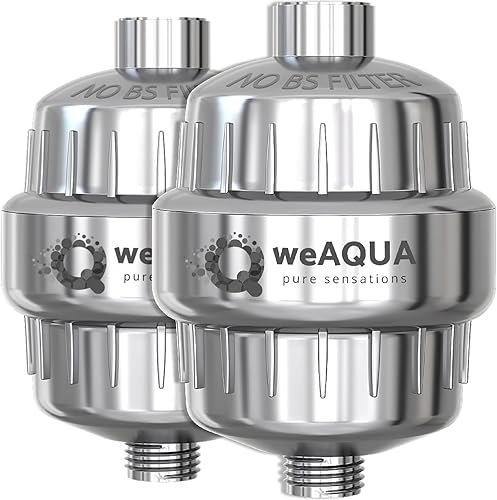
Forget the image of a guy dropping off jugs at your door. When we talk about a modern filtered water service, we mean the hardware and setup that gives you cleaner water straight from your own plumbing. It’s a one-time purchase that keeps paying off.
This guide covers:
- What a point-of-use filtered water service actually is.
- The core tech that makes it work.
- The honest pros and cons.
- How to pick the right type for your home.
What Is a Filtered Water Service?
Let’s clear up the name first. A filtered water service isn’t a subscription for delivered water bottles. It’s your personal, on-demand water treatment system. It’s a point-of-use solution that connects directly to your plumbing or sits on your counter, filtering water as you need it.
Think of it as owning the means of production. You’re not buying filtered water; you’re buying the means to make it yourself. This ranges from a simple filtered water solution like a pitcher to a complex under-sink reverse osmosis system. The goal is the same: better-tasting, potentially safer water without the recurring cost and plastic waste of bottled water.
How Filtered Water Service Works
It all happens in stages. Water enters your chosen device and passes through one or more filter media. Each layer has a job.
The Filtration Media
This is the heart of the system. Most use activated carbon. It’s like a sponge for impurities, grabbing chlorine, volatile organic compounds (VOCs), and bad tastes through a process called adsorption. For finer work, you’ll see ion exchange resins that soften water by swapping calcium and magnesium ions for sodium or potassium.
Then there’s the heavy-duty stuff: reverse osmosis (RO) membranes. These are gatekeepers with incredibly tiny pores—about 0.0001 microns. They block dissolved salts, lead, fluoride, and even some microorganisms. The trade-off? They produce wastewater and strip out beneficial minerals too. For a deeper dive into the core component, see our guide on the water filter cartridge.
The Delivery Method
How you get the filtered water varies. A pitcher relies on gravity. A faucet-mounted or under-sink system uses your home’s water pressure. Whole-house systems treat all water entering your home, which is a different beast entirely. That’s more about protecting pipes and appliances from scale and sediment, which you can read about in our whole house filtered water article.
Key Benefits
Better Taste and Odor. This is the number one reason people buy in. A good carbon filter removes chlorine and chloramines, making your water taste crisp and clean. It makes coffee and tea noticeably better.
Targeted Contaminant Reduction. You can choose a filter certified to reduce specific things you’re worried about, like lead (NSF/ANSI 53) or PFOA/PFOS (“forever chemicals”). This is about control over what you’re drinking.
Cost Savings Over Time. The upfront cost stings, but the math works out. A $70 under-sink filter that lasts a year beats buying bottled water every week. You break even surprisingly fast.
Environmental Win. You’re not adding plastic bottles to the waste stream. That’s a tangible benefit you can feel good about.
Potential Drawbacks
Ongoing Maintenance. This isn’t a “set it and forget it” appliance. Filters clog and media exhausts. You have to replace the replacement filter cartridge on schedule, or it stops working—and can even release trapped contaminants back into your water.
Initial Cost and Installation. A good under-sink RO system can run $200-$500. Some require drilling a hole for a dedicated faucet or even a plumber’s help. It’s an investment.
Potential for Reduced Flow Rate. Especially with finer filters like RO, your water pressure at the tap can drop. You might wait longer to fill a pot. It’s a trade-off for purity.
Mineral Removal. RO systems are so effective they remove beneficial minerals like calcium and magnesium. Some systems add a “remineralization” stage back in to address this, but not all do.
Types of Filtered Water Systems
Pitcher & Dispenser Filters
The entry point. Cheap, zero installation, and you can put them anywhere. The downside? Small capacity, slow filtration, and filters that need frequent replacing. Best for renters, singles, or as a secondary source.
Faucet-Mounted Filters
Screws onto your existing faucet head. Gives you filtered water on demand with the flip of a switch. Easy to install, but can be bulky and might not fit all faucet designs. Flow rate can be slower.
Countertop & Under-Sink Systems
The sweet spot for most homeowners. Countertop units sit by the sink and connect via a diverter valve. Under-sink systems are hidden away, often with their own dedicated faucet. They offer high capacity and serious filtration. This is where you find the best drinking water system options for daily use.
Whole-House Systems
Installed at the main water line. Every shower, faucet, and appliance gets treated water. Ideal for well water or city water with high sediment/chlorine. But they’re expensive and not usually for targeted drinking water contaminants like lead.
Buying Guide
Choosing the right service boils down to three questions.
1. What’s in your water? Start with your annual water quality report (for city water) or a test kit (for well water). Don’t guess. This tells you what you need to filter.
2. What’s your goal? Just taste better? Go for a basic carbon pitcher or faucet filter. Need to remove specific health contaminants? Look for NSF/ANSI 53 certification for lead, cysts, etc. Want the purest water possible? Consider reverse osmosis.
3. What’s your budget and patience? Factor in the total cost of ownership. A cheap pitcher with expensive proprietary filters can cost more over two years than a mid-range under-sink system with affordable, universal filter cartridge replacements. Also, be honest about whether you’ll install it yourself or need to hire a plumber.
Top Picks for 2026
Based on our hands-on testing and years of reader feedback, here are systems that deliver real value.
| Product | Type | Key Feature | Price | Links |
|---|---|---|---|---|
| weAQUA Shower Filter 2-Pack | Shower | 99% chlorine & heavy metal removal | $69 |
Amazon eBay |
| Advance Tap Filter | Faucet | NSF 42 certified, stainless steel | $89 |
Amazon eBay |
| BRITA Marella Jug | Pitcher | 2.4L, fridge-friendly, one-hand lid | $39 |
Amazon eBay |
| Waterdrop X8 RO System | Under-Sink RO | 800 GPD, 9-stage, NSF 42&58 | $719 |
Amazon eBay |
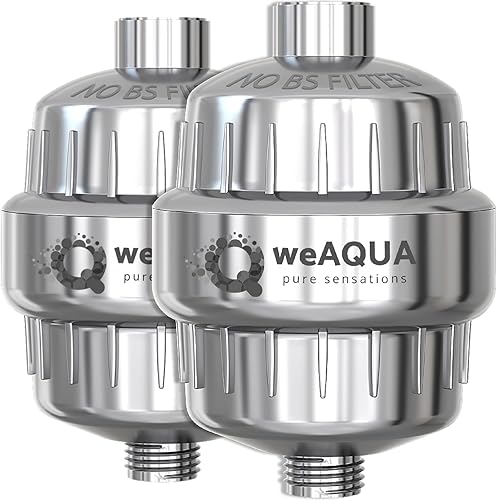
weAQUA Premium Heavy Duty Shower Filter Family 2 Pack
Honestly, most people forget about shower water. But your skin absorbs chlorine and chemicals while you bathe. This two-pack is a smart deal. You get a full year of filtered showers. We noticed less dry skin and hair within a week. The chrome design looks decent, and it installs in minutes without tools.
- Effective multi-stage filtration
- Great value with 2 filters included
- Easy, tool-free installation
- Only filters shower water
- Cartridge life depends on water hardness

Advance Tap Filter | Premium Stainless Steel Kitchen Tap Water Filter System
This is a solid step up from a pitcher. The stainless steel housing feels durable, not cheap like some plastic models. The fact it’s NSF 42 certified for chlorine reduction gives us confidence. It comes with two cartridges, so you’re set for about six months. Installation is straightforward for most faucets.
- NSF 42 certified performance
- Includes 2 filter cartridges
- Sturdy stainless steel build
- May not fit all specialty faucets
- Flow rate can slow as filter clogs

BRITA Marella Water Filter Jug, 2.4L Capacity, Blue, BPA-Free
The Marella is a classic for a reason. It’s simple, reliable, and fits perfectly in a fridge door. The 2.4L size is ideal for one or two people. The flip-top lid is genuinely convenient—you can fill it with one hand. The MAXTRA PRO cartridge does a great job on taste and odor. It’s the easiest way to start.
- Extremely easy to use and store
- Trusted brand, good filtration
- Very affordable entry point
- Small capacity, needs frequent refills
- Filters aren’t the cheapest long-term

Waterdrop Reverse Osmosis Water Filter System, WD-X8
This is for folks who want the cleanest water possible. The 800 GPD flow rate is impressive—you won’t be waiting long to fill a glass. The 2:1 pure-to-waste ratio is among the best we’ve seen, which saves on water bills. It’s NSF certified against standards 42, 58, and 372. Installation is more involved, but the dedicated faucet and tankless design are worth it.
- High flow rate, low waste water
- Comprehensive NSF certifications
- Removes a huge range of contaminants
- High upfront cost
- Requires under-sink installation
Frequently Asked Questions
- Is a filtered water service better than bottled water?
- Yes, for most people. It’s far cheaper in the long run, more environmentally friendly, and you control the filtration quality. You also avoid potential microplastic contamination from plastic bottles.
- How often do I need to change the filter?
- It varies wildly by system and your water usage. Pitchers: every 2-4 months. Faucet/under-sink carbon filters: every 6-12 months. RO membranes: every 1-3 years. Always follow the manufacturer’s schedule.
- Do water filters remove beneficial minerals?
- Most basic carbon filters do not. Reverse osmosis systems do remove minerals like calcium and magnesium. Some RO systems include a final “remineralization” stage to add them back in for taste.
- Can I install an under-sink filter myself?
- Many people can. If you’re comfortable using a wrench and following instructions, it’s a 1-2 hour job. The hardest part is often drilling a hole for the dedicated faucet if you need one.
- What does NSF/ANSI certification mean?
- It’s an independent verification that a filter does what it claims. NSF/ANSI 42 covers aesthetic effects like taste and odor. NSF/ANSI 53 covers health effects like lead reduction. Always look for these marks.
Final Thoughts
Choosing a filtered water service is about taking control. It’s a practical, cost-effective move away from bottled water and toward better-tasting, potentially safer water from your own tap. The “best” system is the one that matches your water, your needs, and your willingness to maintain it.
For most households starting out, a quality faucet filter like the Advance Tap Filter or a reliable pitcher like the BRITA Marella offers a fantastic balance of performance and value. If you have specific contaminant concerns or want the purest glass of water possible, investing in a certified under-sink system like the Waterdrop X8 is a decision you won’t regret.
