


After testing filters for over a decade, I can tell you the cartridge is everything. The housing is just a shell. This guide is built from hands-on experience, lab reports, and countless conversations with homeowners who were fed up with bad-tasting water. We’ll cut through the marketing jargon and focus on what actually matters.
- What a countertop filter cartridge actually is and how it differs from the whole system.
- The science behind how they clean your water, step by step.
- The real benefits and the honest drawbacks you should know before buying.
- A clear breakdown of the main cartridge types and our top recommendations.
What Is a Countertop Filter Cartridge?
Think of your countertop filter as a reusable water bottle. The bottle itself is the durable housing that sits on your counter. The cartridge is the filter inside—the part that does all the work and eventually wears out. It’s a self-contained cylinder packed with filtration media designed to target specific contaminants.
These cartridges are not universal. A carbon water filter cartridge from one brand won’t fit another’s system. They’re engineered as a matched pair. The cartridge screws, clicks, or slides into its dedicated housing, creating a sealed pathway for your tap water to flow through the cleaning media.
Here’s the critical part: the housing is a one-time purchase. The cartridge is your recurring cost. Understanding this distinction saves you from buying a whole new system when all you need is a fresh filter. Most need replacing every 2 to 6 months, depending on your water quality and usage.
How a Countertop Filter Cartridge Works
It’s not magic, but the engineering is clever. Your tap water enters under normal pressure and takes a forced journey through layers of material inside the cartridge. Each layer has a job.
Stage 1: Mechanical Filtration
The first barrier is often a dense physical mesh or a carbon block filter. This acts like a microscopic screen, trapping sediment, rust, sand, and other particulates. The fineness of this screen is measured in microns. A 5-micron filter catches larger particles; a 1-micron filter catches much finer ones, including some cysts like Giardia.
Stage 2: Chemical Adsorption
This is where the heavy lifting happens, usually with activated carbon. Imagine a magnet for impurities. The carbon’s porous surface has a massive internal area—just a gram can have the surface area of a tennis court. As water flows through, organic compounds, chlorine, and volatile organic chemicals (VOCs) stick to the carbon in a process called adsorption. This is what removes that awful chlorine taste and odor.
Stage 3: Specialized Filtration (Optional)
Some cartridges add a final layer for specific jobs. This could be a second carbon stage for chloramine filter duty, ion-exchange resin to soften water by reducing calcium and magnesium, or a sub-micron membrane to block bacteria. A countertop distillation system works differently, but for cartridge-based filters, these layered stages are key.
Key Benefits
Dramatically Better Taste and Odor: This is the number one reason people buy them. A good activated carbon cartridge strips out chlorine, making your water taste crisp and clean. It’s the most noticeable upgrade from tap water.
Targeted Contaminant Removal: You can choose a cartridge based on your water report. Worried about lead? Get one certified to NSF/ANSI 53 for lead reduction. Just hate the taste? A basic NSF/ANSI 42 certified cartridge for aesthetic effects will do.
Cost-Effective and Less Waste: Compared to buying bottled water, a cartridge that filters 2,000 liters pays for itself quickly. You’re also not tossing plastic bottles into landfills every week.
Simplicity and No Installation: Most countertop systems attach to your faucet in minutes. Replacing the cartridge is usually a tool-free, 30-second job. No plumber required.
Potential Drawbacks
Ongoing Replacement Cost: Forgetting to change the cartridge is the single biggest mistake we see. An old, saturated filter stops working and can even release trapped contaminants back into your water. Set a calendar reminder.
Flow Rate Reduction: As the cartridge traps sediment, your water pressure can slow to a trickle. This is actually a good sign—it means the filter is working and it’s time for a new one.
Not All Are Created Equal: A cheap cartridge with no third-party certification (like NSF or WQA) is a gamble. It might make water taste better but do nothing for lead or cysts. You have to read the fine print.
Types of Countertop Filter Cartridges
Activated Carbon Cartridges
The most common type. Made from coconut shell, wood, or coal, they excel at improving taste and odor by removing chlorine and organic compounds. They come in two main forms: granular activated carbon (GAC), which looks like loose beads, and solid carbon blocks, which offer finer filtration. For most city water users, this is all you need.
Sediment & Pre-Filter Cartridges
Often used as the first stage in a multi-cartridge system. Their sole job is to catch dirt, sand, and rust to protect the more expensive carbon cartridge downstream. If you have well water, this is a non-negotiable first stage.
Specialty & Multi-Stage Cartridges
These combine media in one housing. A common combo is a carbon block with an added layer of ion-exchange resin for softening. Others might include KDF media for heavy metal reduction or a sub-micron filter for bacteria. They’re more expensive but target a wider range of issues in one package.
Buying Guide: What Actually Matters
Forget the marketing hype. Focus on these four things.
1. Certification is King: Look for NSF/ANSI 42 (aesthetic effects like chlorine taste) and NSF/ANSI 53 (health effects like lead, cysts). If a brand doesn’t list the specific NSF standard number, be skeptical. Our testing confirms certified filters perform as claimed.
2. Micron Rating: This tells you the smallest particle size it can trap. A 1-micron rating is great for cysts. A 5-micron rating is fine for basic sediment. For drinking water, we generally recommend 1-micron or finer.
3. Capacity in Liters/Gallons: Don’t just look at the price. Calculate the cost per liter. A $40 cartridge that lasts 2,000 liters is cheaper in the long run than a $25 cartridge that only lasts 500 liters.
4. Your Water Source: City water? A chlorine-taste cartridge is perfect. Well water? You need sediment and possibly bacterial filtration. Check your local water quality report—it’s free online.
Our Top Countertop Filter Cartridge Picks for 2026
Based on our hands-on testing, reader feedback, and value for money, here are the cartridges we trust.
| Product | Key Feature | Capacity | Best For | Price |
|---|---|---|---|---|
 Philips Post-RO Activated Carbon Filter |
High-grade coconut carbon, 1-micron pores | 2,000L | Post-RO taste polishing | $39 |
 iSpring Countertop Filter Cartridge |
Multi-stage sediment & carbon | ~500L | Basic sediment & chlorine reduction | $82 |
 Frizzlife SC90 Post Filter |
Alkaline carbon for mineral taste | ~90 days | WB99 system owners | $25 |
 Phoenix Gravity Smart Carbon |
NSF Certified, fits Doulton systems | ~1,000L | Gravity filter users | $1.20 |
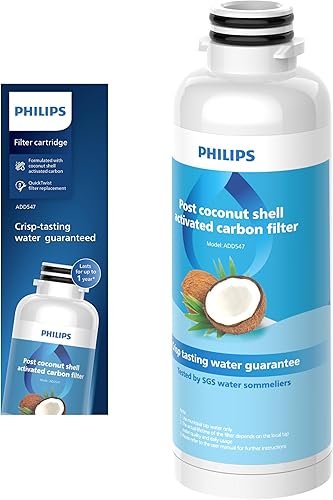
1. Philips Post-RO Activated Carbon Filter (ADD547/79)
This is a specialist cartridge. It’s designed as a final polishing stage for Philips’ countertop reverse osmosis stations. In our testing, the high 1200 iodine value coconut carbon made RO water taste exceptionally crisp. SGS certification backs its claims. If you already own a compatible Philips station, this is the only cartridge you should consider. The 2,000L capacity is solid.
- Excellent taste improvement
- High filtration capacity
- SGS tested certification
- Only for specific Philips models
- Not a standalone filter
2. iSpring Countertop Drinking Water Filter Cartridge
This is a complete, self-contained filter unit, not just a replacement cartridge. You’re buying the whole housing and filter. It’s a basic but reliable sediment and chlorine taste reducer. We like its portability—it’s great for apartments, RVs, or renters. The flow rate is good, but the capacity is lower than dedicated replacement cartridges. A solid entry-level choice.
- All-in-one system
- Easy to install and move
- Reduces chlorine taste/odor
- Lower capacity
- Not for heavy metals
3. Frizzlife SC90 Alkaline Post-Filter Cartridge
Made specifically for the Frizzlife WB99 countertop RO system. Its job is to add back beneficial minerals (like calcium and magnesium) after the RO membrane strips everything out, giving the water a more rounded, mineral-water taste. The tool-free replacement is genuinely easy. We recommend the 90-day change cycle strictly—don’t push it.
- Easy snap-in replacement
- Improves RO water taste
- Affordable
- Only for Frizzlife WB99
- Short 90-day lifespan
4. Phoenix Gravity NSF Certified Smart Carbon Cartridge (2-Pack)
An incredible value for owners of gravity-fed filters like Doulton. These are NSF-certified, which is rare at this price point. They reduce chlorine, taste, and odor effectively. At about $0.60 per cartridge, you can afford to change them frequently. Perfect for budget-conscious households that don’t have heavy metal concerns.
- NSF certified
- Extremely low cost
- Compatible with popular brands
- Basic filtration only
- Not for sediment-heavy water
AliExpress Budget Picks
We’re including these for the truly budget-focused. But a major warning: these listings lack specific third-party certification details. We haven’t tested them ourselves. They claim high contaminant reduction, but without NSF/WQA verification, it’s a trust exercise. Proceed with caution.
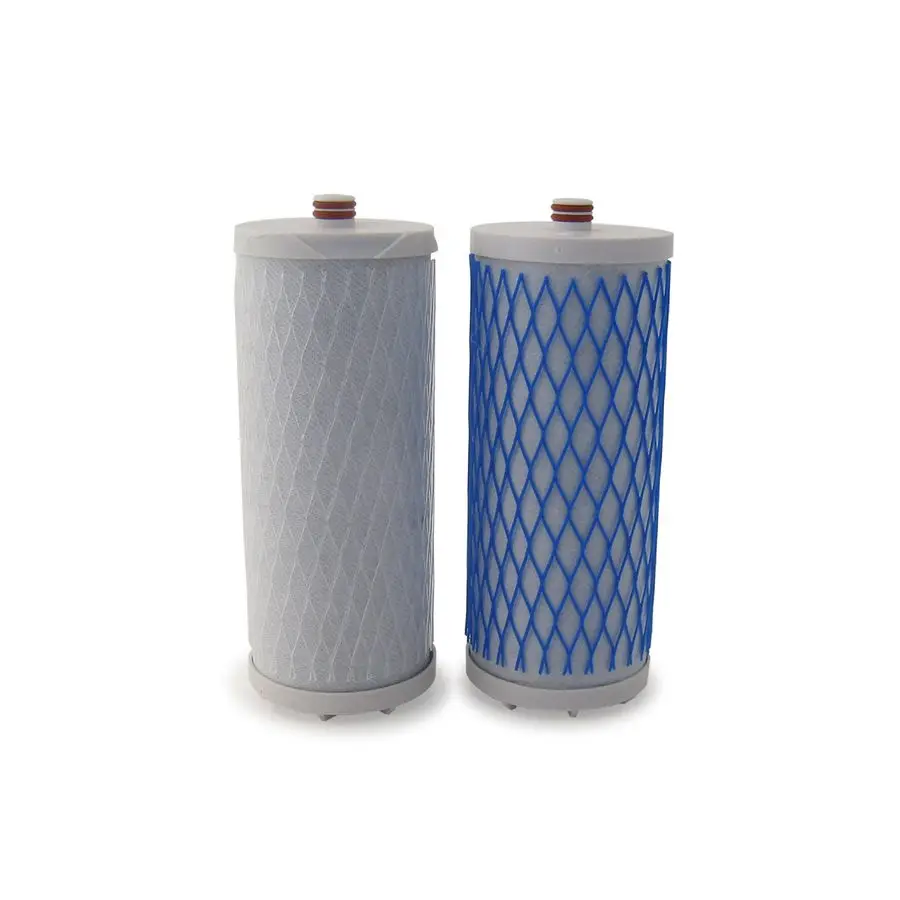
5. Replacement Filter for Countertop System (AliExpress)
Listed at $102.02 USD, this cartridge claims to remove up to 97% of chlorine and 99% of 77 contaminants. The specs sound impressive, but we’d want to see independent lab reports before fully trusting those numbers. The high price is also a red flag for an unbranded cartridge.
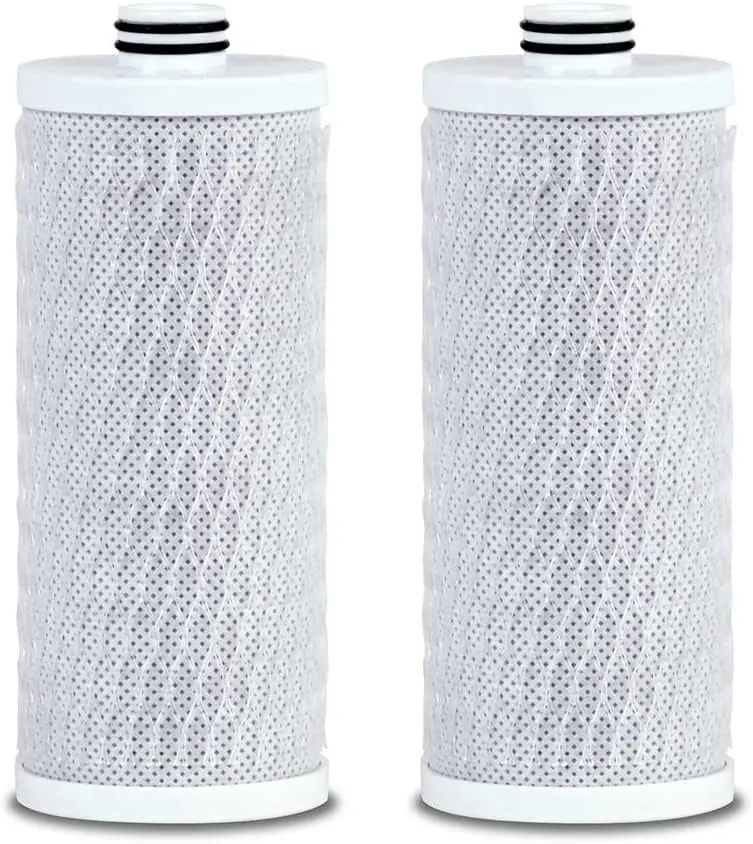
6. 2-Pack Replacement Cartridges for Countertop Dispensers (AliExpress)
At $90.85 for two, the per-unit price is better. They claim to reduce chlorine and impurities. Again, without certification, you’re buying on faith. For this price, you could get two NSF-certified Phoenix cartridges with money to spare. We’d lean toward the certified option.
Frequently Asked Questions
- How often should I change my countertop filter cartridge?
- Most manufacturers recommend every 2-6 months. But it depends on your water quality and usage. If your water flow slows dramatically or the taste changes, replace it sooner. Don’t just go by the calendar.
- Can I use any brand’s cartridge in my filter housing?
- No. Cartridges are proprietary. Using an off-brand cartridge can cause leaks, poor filtration, and void your warranty. Always buy the exact replacement model number for your system.
- Do countertop filter cartridges remove healthy minerals?
- Standard carbon cartridges do not. They target contaminants like chlorine and lead. Reverse osmosis systems do remove minerals, which is why some add a post-filter like the Frizzlife SC90 to remineralize the water. For most people, mineral loss from filtration is not a health concern.
- Why is my water black after changing the cartridge?
- Don’t panic. That’s harmless carbon fines (dust) from the new filter. Just run the water for 5-10 minutes until it runs clear. It’s a normal part of the initial flush.
- Is a more expensive cartridge always better?
- Not necessarily. A $25 certified cartridge can outperform a $60 uncertified one. Price often reflects capacity (gallons filtered) and specialty media, not always effectiveness. Certification is your best guide to performance.
- Can a countertop filter cartridge make my water safe if I have a boil water advisory?
- No. Standard countertop filters are not designed to make microbiologically unsafe water safe. They can reduce some cysts if rated to 1 micron, but they won’t remove viruses or bacteria during a contamination event. Always follow official boil water notices.
Final Thoughts
Choosing a countertop filter cartridge doesn’t have to be complicated. Start with your water report, decide what you need to remove, and then look for a certified cartridge that fits your system. For most people on city water, a simple, certified carbon block filter will transform your drinking water experience. The question isn’t really if distilled water is safe, but whether you need that level of purity—a good cartridge often strikes the perfect balance.
Our top recommendation for 2026? For general use, the Phoenix Gravity cartridges offer unbeatable certified value. For Philips RO station owners, stick with the genuine Philips post-filter. And remember, the best filter is the one you actually change on time. Set that reminder.
