


You turn on the tap and fill a glass. Looks clear. Tastes fine. But is it actually safe? After testing water from dozens of cities and wells over the years, I can tell you looks deceive. What you don’t see—lead from old pipes, bacteria from runoff, or chemical residues—can matter most. This guide cuts through the noise.
- What “safe” really means for your tap water
- How to test and filter based on your specific needs
- Our top product picks for testing and emergency purification
- Common mistakes that cost people money and health
What Is Safe Drinking Water?
Safe drinking water isn’t just about clarity or taste. It’s water that won’t make you sick, either immediately or over decades of consumption. That means it meets strict health-based standards for contaminants like lead, arsenic, bacteria, and nitrates. The tricky part? Standards vary, and what flows from your tap depends entirely on your local source and infrastructure.
We often assume municipal treatment handles everything. Mostly, it does a great job. But treatment plants deliver water to the main line—what happens in the pipes to your kitchen is another story. Old solder, corroded fixtures, or a failing well casing can introduce problems after the water is officially “treated.” That’s why personal responsibility is the last, critical line of defense. For a deeper look at what actually qualifies as drinking water, our separate analysis breaks it down.
How Water Safety is Determined & Maintained
The Regulatory Framework
Water utilities must test for over 90 contaminants under national regulations. They publish annual reports. But these reports show averages for the entire system. Your home, especially if it’s older, might be an outlier. In our experience, the single biggest mistake homeowners make is never reading their local report. It’s free, online, and tells you exactly what to test for.
The Role of Filtration
Filtration is your personal backup system. It works by physically blocking, chemically absorbing, or biologically neutralizing contaminants. The heart of most effective systems is a carbon filter. It’s incredibly good at grabbing organic chemicals, chlorine, and many taste-and-odor compounds. But not all carbon is equal—the form and quality matter immensely.
Point-of-Use vs. Point-of-Entry
You’ve got two main strategies. Point-of-use filters (like under-sink or pitcher filters) treat water right where you drink it. Point-of-entry systems treat all water entering your home. For most people concerned about drinking water, a good point-of-use system is more practical and cost-effective. It focuses protection where it counts.
Key Benefits of Knowing Your Water Quality
Peace of Mind is Real. Knowing exactly what’s in your water eliminates guesswork and anxiety. You stop worrying about headlines and start making informed choices.
Tailored Protection Saves Money. Why buy a whole-house reverse osmosis system if your only issue is chlorine taste? A simple carbon water filter might solve it for a fraction of the cost. Testing first prevents overspending.
Proactive Health Monitoring. Some contaminants, like lead or nitrates, have no taste or smell. Regular testing is the only way to catch them before they become a long-term health issue. It’s a simple habit with major upside.
Potential Drawbacks & Common Pitfalls
Another issue is over-reliance on bottled water. It’s expensive, environmentally taxing, and not always safer. Some brands are just filtered tap water. Honestly, most people don’t need it if they address their home supply directly. And don’t get me started on the “alkaline” or “structured” water hype—your stomach acid neutralizes that pH in seconds.
Types of Contaminants & Solutions
Microbial Contaminants (Bacteria, Viruses)
These are usually a concern for well water or after a boil-water advisory. UV light purifiers and sub-micron filters are effective. For emergencies or travel, purification tablets are a lightweight, reliable backup. They’re not for daily use, but they’re smart to have on hand.
Chemical Contaminants (Lead, Chlorine, PFAS)
This is where carbon water filtration shines. A high-quality carbon filter cartridge certified to NSF/ANSI 53 for lead or PFAS reduction is incredibly effective. The key is matching the filter’s certification to the specific contaminant you need to remove.
Dissolved Solids & Minerals
Hardness (calcium, magnesium) causes scale. Nitrates from agriculture are a serious health risk, especially for infants. Reverse osmosis (RO) systems are the gold standard for removing a wide spectrum of dissolved contaminants, including nitrates and fluoride. But they also waste some water and remove beneficial minerals.
Buying Guide: How to Choose
Forget brand hype. Start with data. Here’s what actually matters:
1. Test First. Use a reliable test kit to identify your specific contaminants. Don’t guess.
2. Match the Certification. Look for NSF/ANSI certifications on the filter. Standard 42 is for aesthetic effects (taste, chlorine). Standard 53 is for health effects (lead, cysts). Standard 58 is for reverse osmosis systems. If a filter doesn’t list these, walk away.
3. Consider Cost & Maintenance. Calculate the cost per gallon over a year, including replacement filters. A cheap pitcher filter with expensive monthly replacements might cost more than an under-sink system in the long run.
4. Check Flow Rate & Capacity. Will it provide enough water for your family’s needs? A slow trickle from an under-sink RO system can be frustrating during dinner prep.
Top Picks for Testing & Emergency Use
Based on our testing and reader feedback, here are solid, no-nonsense products for taking control of your water safety.
| Product | Best For | Price | Key Feature |
|---|---|---|---|
 |
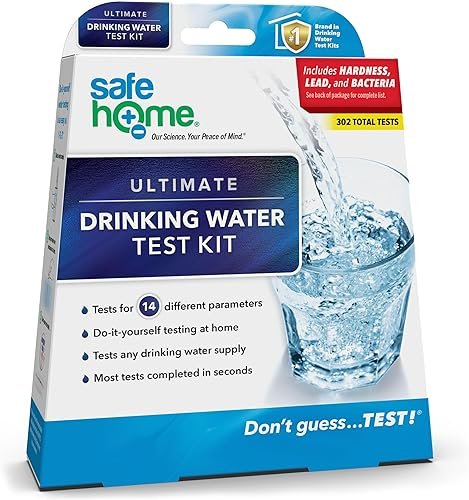
Comprehensive Home Testing | $64 | 302 tests for 14 parameters, including lead & bacteria |
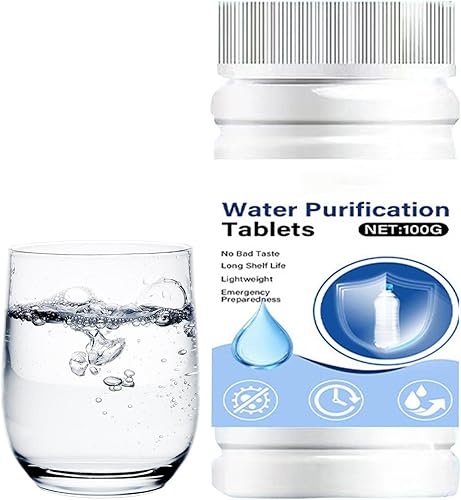 |
Emergency & Travel | $24 | Odorless, lightweight, effective against microbes |
 |
Quick, Affordable Screening | $27 | 125 strips for 18 parameters, easy color-match |
Safe Home® Ultimate DIY Drinking Water Test Kit
This is the most thorough DIY kit we’ve used. It’s not just strips—you get dedicated tests for lead and bacteria, which are the two big ones you don’t want to get wrong. The fact that it’s earned the Good Housekeeping Seal tells you it’s legit. For anyone on city or well water who wants lab-grade insight without the lab-grade cost, this is it.
- Extremely comprehensive (14 parameters)
- Includes #1 selling lead & bacteria tests
- Clear, trilingual instructions
- More expensive than simple strips
- Takes more time to complete all tests
Water Purification Tablets – Safe & Odorless
Forget the old iodine tablets that made water taste like a hospital. These are a different league. They’re our go-to recommendation for camping, hiking, or keeping in an emergency kit. They won’t remove heavy metals or chemicals, but for making suspect water microbiologically safe, they’re cheap insurance. We always have a pack in our bug-out bag.
- Truly odorless and taste-neutral
- Extremely lightweight and portable
- Effective against bacteria and viruses
- Does not remove chemical contaminants or sediment
- Requires wait time (30+ minutes)
18-in-1 Water Quality Test Strips (125ct)
Think of these as your water’s annual checkup. They’re not as precise as the lab-style kits, but for screening common issues like hardness, chlorine, iron, and nitrates, they’re fantastic. The 125-count bottle means you can test monthly for a year. We use strips like these for initial surveys before deciding if a more expensive test is needed.
- Incredibly affordable per test
- Fast results (under a minute)
- Good for tracking changes over time
- Less precise than liquid reagent tests
- Color matching can be subjective
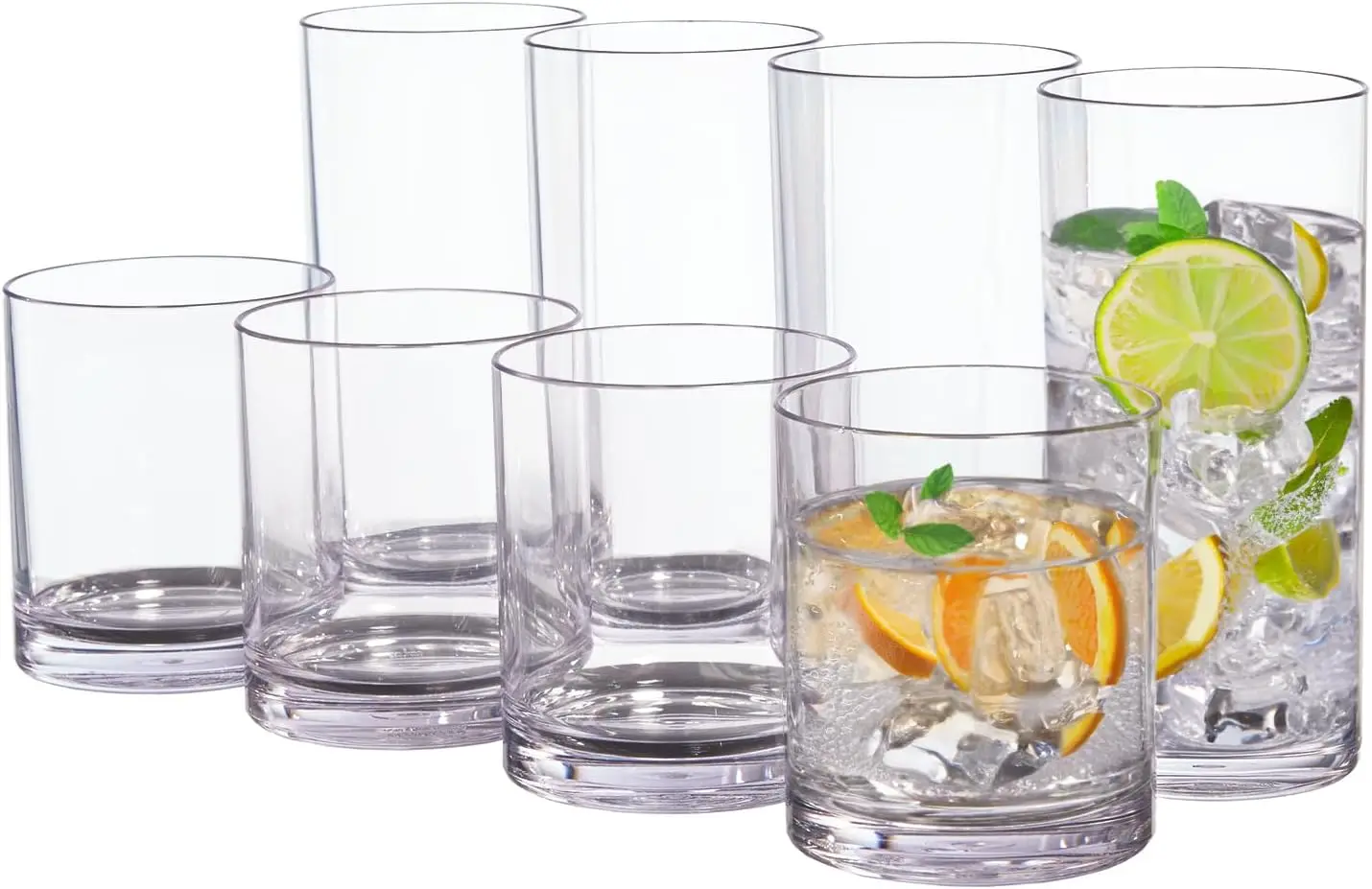
AliExpress Budget Pick: 8-Piece Reusable Glass Set
Safety isn’t just about the water—it’s about what you drink it from. Cheap plastic cups can leach chemicals, especially with hot liquids. This BPA-free, dishwasher-safe set is a smart, affordable upgrade. We like having dedicated glasses for water to avoid cross-contamination from other beverages. It’s a small detail that matters.
- BPA-free and dishwasher safe
- Two useful sizes (12oz & 16oz)
- Clear design lets you see water clarity
- Glass can break if dropped
- Not insulated
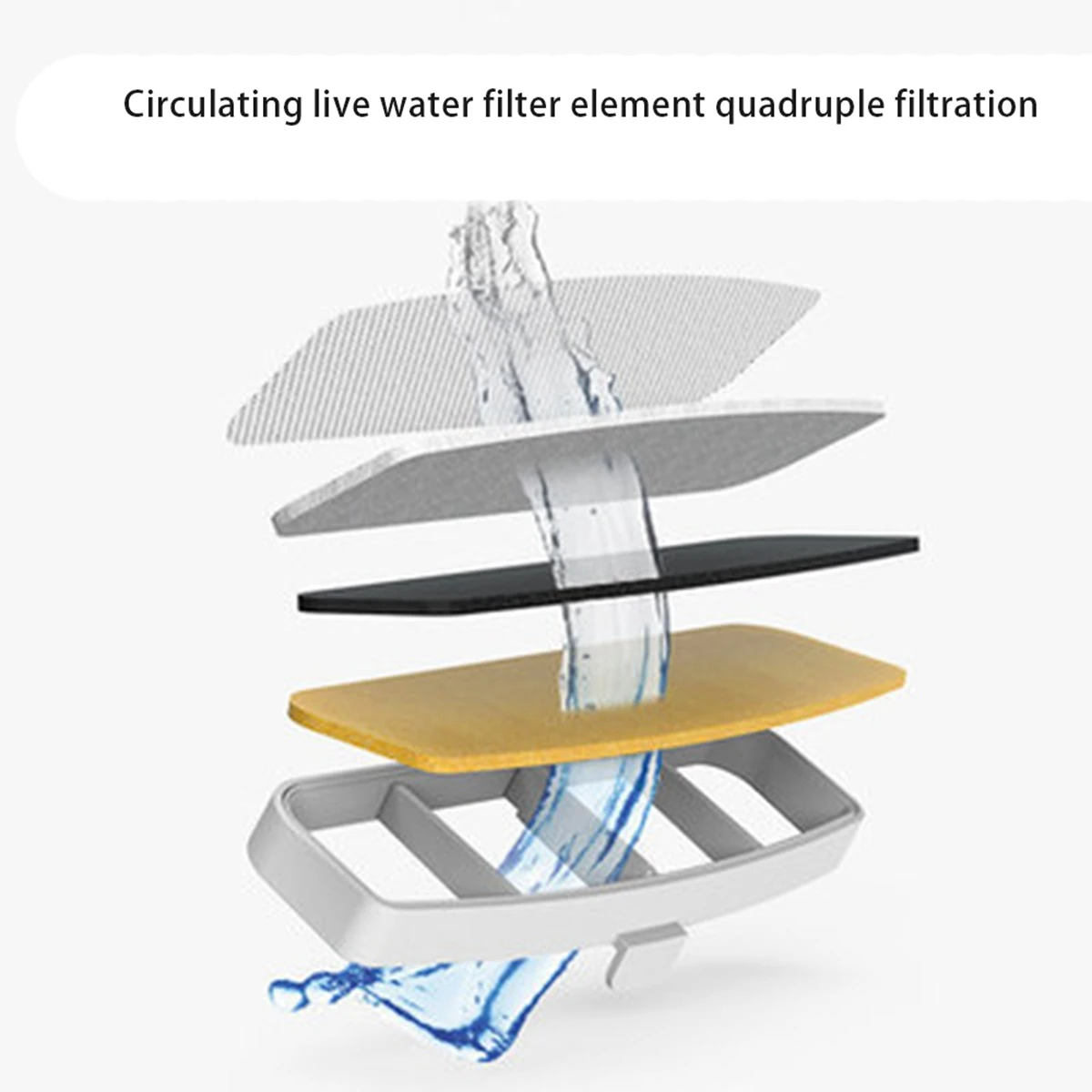
AliExpress Budget Pick: Pet Water Dispenser Filter
Your pets deserve safe water too. This replacement filter hose for smart pet fountains helps remove hair, sediment, and improves taste to encourage hydration. It’s a niche item, but if you have the dispenser, it’s essential. We’ve seen pets drink more from a clean, filtered source—which is great for their kidney health.
- Direct replacement part
- Improves water taste and clarity for pets
- Very affordable
- Only compatible with specific models
- Limited filtration capability
Frequently Asked Questions
- How often should I test my drinking water?
- Test annually if you’re on a municipal supply. Test every six months if you use a well, or immediately if you notice a change in taste, odor, or color, or if there’s nearby construction or flooding. After replacing any plumbing components, test again after a few weeks.
- Do refrigerator filters actually make water safe?
- They improve taste and odor by reducing chlorine, and some can filter lead if certified. But they vary wildly. Check its specific NSF certifications. They are not a comprehensive solution for all contaminants and must be changed on schedule, usually every 6 months.
- Is boiled water always safe to drink?
- Boiling kills bacteria, viruses, and parasites, making it microbiologically safe. However, it does nothing to remove chemical contaminants, lead, or heavy metals. In fact, boiling can concentrate these as water evaporates. It’s a great emergency step for biological threats only.
- What’s the difference between a carbon filter and reverse osmosis?
- A carbon filter uses adsorption to grab chemicals, chlorine, and some heavy metals. Reverse osmosis forces water through a semi-permeable membrane, removing a much wider range of contaminants, including dissolved salts and nitrates. RO is more thorough but also more expensive and wasteful.
- Can I rely on my city’s water quality report?
- It’s your best starting point, but it’s not the whole picture. The report reflects water quality leaving the treatment plant, not what comes out of your tap after traveling through potentially old pipes. Use it to know what to test for at your home.
- Are water test strips accurate enough?
- For a general screening, yes. They’re great for spotting major issues like high chlorine, hardness, or nitrates. For precise measurements of contaminants like lead at low levels, you need a more rigorous test kit or a professional lab analysis. Use strips for the “what,” then a lab for the “how much.”
- What does “NSF Certified” really mean?
- It means an independent lab has verified the filter removes the specific contaminants it claims to, at the rate it states. Always look for certification to the specific standard for your contaminant (e.g., NSF/ANSI 53 for lead). It’s the most reliable trust signal we have.
Final Thoughts
Safe drinking water isn’t a luxury—it’s a baseline for health. The good news is you don’t need to be a chemist to get it. Start with a test, understand your specific risks, and choose a solution certified to address them. A simple, well-maintained carbon water filter handles most common complaints. For broader threats, reverse osmosis is worth the investment.
Your action plan is simple: get a quality test kit, read your local water report, and make a decision based on data, not fear. The peace of mind is worth the small effort. And if you’re ever unsure, a call to your local water utility can provide more context than any generic article. Here’s to a glass of water you never have to second-guess.
