


After testing systems for over a decade, I can tell you one thing: not all filters are created equal. The market is flooded with options that overpromise and underdeliver. We’re cutting through the noise. In this guide, you’ll learn how these systems work, their real benefits (and honest drawbacks), the different types available, and how to choose the right one. We’ll also share our top hands-on picks for 2026.
What Is a Drinking Water System?
Simply put, it’s a point-of-use filter designed for the water you drink and cook with. Unlike a whole house carbon filtration setup that treats every drop entering your home, a drinking water system focuses on a single tap—usually the kitchen. The goal is targeted contaminant removal.
We’re talking about everything from a basic pitcher filter to a multi-stage under-sink unit. The core idea is to take municipal or well water and make it cleaner, safer, and better-tasting. But the technology under the hood varies wildly. Some use simple physical barriers. Others, like reverse osmosis, employ advanced membranes. The best system for you hinges on your water report.
How a Drinking Water System Works
Most systems use a combination of filtration stages. Water passes through each one, with different stages targeting different impurities. It’s a sequential cleanup process.
Stage 1: Sediment Pre-Filter
This is the first line of defense. A pleated or spun polypropylene filter catches rust, sand, and silt down to 5 or 1 micron. It protects the more delicate filters downstream from clogging. Think of it as a bouncer at a club, keeping the big trouble out.
Stage 2: Activated Carbon Block
This is the workhorse for taste and odor. The carbon filter cartridge uses adsorption—a fancy word for sticking—to grab chlorine, volatile organic compounds (VOCs), and some pesticides. It makes your water taste and smell fresh. In our testing, a good carbon block is non-negotiable.
Stage 3: The Core Filtration (Varies)
Here’s where paths diverge. A standard system might stop at carbon. A reverse osmosis (RO) system adds a semi-permeable membrane with pores so small (0.0001 microns) it strips out dissolved salts, lead, fluoride, and arsenic. Some systems use an alkaline filtration system stage here to add back minerals like calcium and magnesium for taste.
Key Benefits of a Drinking Water System
Removes Specific Contaminants: This is the big one. A certified system can dramatically reduce lead, chlorine, cysts, and PFOA/PFOS. If you have old pipes or a questionable water source, this is peace of mind in a filter.
Dramatically Improves Taste and Odor: Chlorine taste? Gone. Earthy smells? Eliminated. We’ve seen people start drinking way more water simply because it tastes better from their own tap. It’s a game-changer for coffee and tea, too.
Saves Money vs. Bottled Water: The math is simple. A system costing a few hundred dollars pays for itself in months compared to buying cases of bottled water. You’re also cutting down on plastic waste, which is a win all around.
Potential Drawbacks to Consider
Types of Drinking Water Systems
Under-Sink Carbon Filters
The most common and affordable entry point. They install directly under your kitchen sink, connecting to a dedicated faucet or the main one. Great for chlorine, taste, and odor. Not for heavy metals or dissolved solids.
Reverse Osmosis (RO) Systems
The gold standard for purity. Uses pressure to force water through that ultra-fine membrane. Removes up to 99% of contaminants. The Geekpure units we’ve tested are reliable workhorses. The trade-off is water waste and slower flow rate.
Countertop & Portable Units
No installation required. Perfect for renters or if you’re testing the waters (pun intended). The new Waterdrop CoreRO is a brilliant example—portable RO with instant heating. Also consider a home water distiller for ultimate purity, though it’s slow and uses electricity.
Alkaline & Remineralization Systems
Often an add-on stage to an RO system. RO water is slightly acidic and can taste flat. These filters add back beneficial minerals, raising the pH and improving mouthfeel. It’s a nice upgrade if you find pure RO water tastes “empty.”
Buying Guide: How to Choose
Forget brand hype. Focus on these four things:
1. Your Water Quality: Get that report. High chlorine? A carbon filter is fine. Lead or nitrates? You need RO. This is the single most important step.
2. Certifications: Look for NSF/ANSI standards. 42 is aesthetic (taste). 53 is health (contaminant reduction). 58 is the gold standard for RO systems. Don’t buy a filter without them.
3. Long-Term Costs: Calculate the annual filter replacement cost. A cheap system with expensive filters is a bad deal. Check filter lifespan in gallons, not just months.
4. Space & Installation: Measure your under-sink space. Do you want to drill a hole for a dedicated faucet? If not, a countertop or simple diverter valve system might be better.
Our Top Picks for 2026
Based on our hands-on testing, installation headaches, and long-term reliability feedback from readers.
| Product | Key Feature | Price | Best For |
|---|---|---|---|
 |
6-stage with alkaline remineralization, NSF membrane, 75 GPD | $239 | Those wanting pure RO water with better taste & minerals |
 |
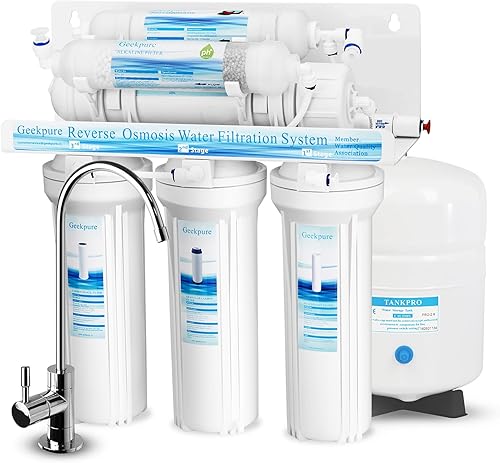
5-stage RO, includes 2 years of extra filters, 75 GPD | $239 | Value-focused buyers who want set-and-forget for 2 years |
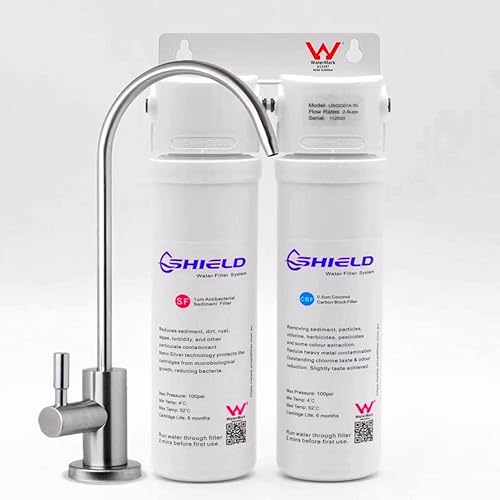 |
Compact 2-stage, SUS304 lead-free faucet, quick-change | $95 | Simpler filtration for taste/odor in tight spaces |
 |
Portable 6-stage RO, instant hot water, no install | $509 | Renters, hot water lovers, or those wanting zero installation |
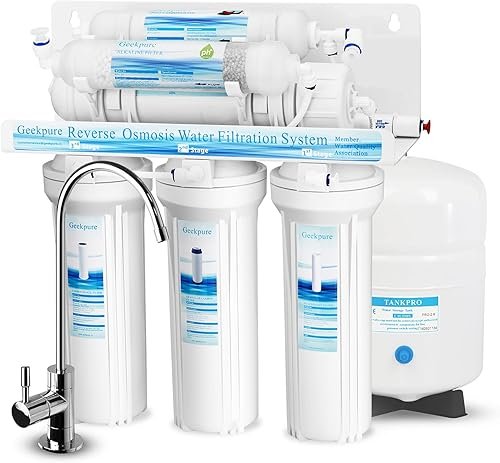
Geekpure 6-Stage Reverse Osmosis System
This is our top recommendation for most people. The sixth alkaline stage makes a noticeable difference—water tastes crisp and full, not flat like basic RO. Installation is straightforward with quick-push fittings. We’ve had one running for 18 months with zero leaks. The included faucet is solid, lead-free metal.
- Excellent post-taste with remineralization
- NSF-certified membrane and tank
- Reliable, low-maintenance operation
- Standard RO wastewater ratio (3:1)
- Requires under-sink space for tank
Geekpure 5-Stage RO System with 2-Year Filters
The value play here is incredible. You get a full RO system plus seven extra filters—enough for about two years of use. That’s peace of mind. Performance is on par with the 6-stage minus the alkaline taste. If you don’t care about remineralization and just want pure H2O, this is the smarter buy.
- Unbeatable value with 2-year filter supply
- Same reliable NSF membrane
- Standard universal filter sizes
- Water can taste flat without remineralization
- Basic plastic faucet included
Twin Undersink Water Filter System
Not everyone needs RO. This compact two-stage system is perfect if your main complaints are chlorine taste and odor. It’s tiny—fits in the most cramped cabinets. The quick-change cartridges make filter swaps a 30-second job. The SUS304 stainless steel faucet feels premium. A solid, no-fuss choice for basic filtration.
- Extremely compact and space-saving
- Super easy filter changes
- High-quality lead-free metal faucet
- Won’t remove dissolved solids, lead, or fluoride
- Limited to two-stage filtration
Waterdrop CoreRO Countertop RO System
This thing is slick. True countertop RO with a 3-second hot water function. No installation—just plug it in. The 3:1 pure-to-waste ratio is best-in-class for a portable unit. We love the detachable tank you can stick in the fridge. It’s pricey, but for renters or hot beverage addicts, it’s brilliant.
- Zero installation, truly portable
- Instant hot water is a luxury
- Excellent water efficiency (3:1 ratio)
- High upfront cost
- Requires counter space and power outlet
Frequently Asked Questions
- How often do I need to change the filters?
- It depends on the filter type and your water quality. Sediment and carbon pre-filters typically last 6-12 months. RO membranes last 2-3 years. Always follow the manufacturer’s gallon rating, not just the time frame. A clogged filter does nothing.
- Does a drinking water system remove healthy minerals?
- Reverse osmosis does strip out minerals like calcium and magnesium. However, you get most minerals from food, not water. If it concerns you, choose a system with a remineralization stage to add them back.
- Can I install an under-sink system myself?
- Yes, most are designed for DIY. You’ll need to drill a hole for a dedicated faucet if you don’t have one. Basic tools and following the manual carefully will get it done in 1-2 hours. When in doubt, hire a plumber.
- Is reverse ossmosis water wasteful?
- Traditional RO systems do produce wastewater to flush contaminants away. Newer, more efficient models have better ratios (like 3:1 instead of 4:1). You can collect this “waste” water for plants or cleaning.
- What’s the difference between NSF/ANSI 42, 53, and 58?
- 42 covers aesthetic effects like chlorine taste and odor. 53 covers health effects like lead, cysts, and VOCs. 58 is specifically for reverse osmosis systems and their performance claims. Always look for these certifications.
- Are countertop systems as good as under-sink?
- Performance can be identical if using the same technology (like RO). The main trade-offs are counter space, needing a power outlet, and often a higher price. They’re fantastic for renters or as a secondary system.
Final Thoughts
Choosing a drinking water system doesn’t have to be complicated. Start with your water test. If you’re on municipal water with decent quality but hate the chlorine taste, a simple two-stage undersink filter will transform your experience. If you have known contaminants like lead or want the purest possible water, invest in a reverse osmosis system.
For most homeowners in 2026, our top pick remains the Geekpure 6-Stage RO System. The addition of the alkaline filter solves the flat-taste problem of basic RO, and the reliability we’ve seen is excellent. It hits the sweet spot of performance, taste, and value. Drink up.
