


.oi-article{font-family:system-ui,-apple-system,sans-serif;color:#1a1a1a;line-height:1.8;max-width:820px;margin:0 auto}
.oi-article h2{color:#0e4a6e;border-bottom:2px solid #0e4a6e;padding-bottom:8px;margin-top:35px;font-size:1.6em}
.oi-article h3{color:#1a6b8a;margin-top:25px;font-size:1.3em}
.oi-toc{background:#f0f7fb;border-left:4px solid #0e4a6e;padding:20px 25px;margin:25px 0;border-radius:6px}
.oi-toc ul{list-style:none;padding:0;margin:0}.oi-toc li{padding:5px 0}
.oi-toc a{color:#0e4a6e;text-decoration:none;font-weight:500}.oi-toc a:hover{text-decoration:underline}
.oi-tip{background:#e8f5e9;border-left:4px solid #2e7d32;padding:15px 20px;margin:20px 0;border-radius:6px}
.oi-warn{background:#fff3e0;border-left:4px solid #ef6c00;padding:15px 20px;margin:20px 0;border-radius:6px}
.oi-tldr{background:#e3f2fd;border-left:4px solid #1565c0;padding:15px 20px;margin:20px 0;border-radius:6px;font-size:1.05em}
.oi-cmp-table{width:100%;border-collapse:collapse;margin:25px 0;font-size:0.95em}
.oi-cmp-table th{background:#0e4a6e;color:#fff;padding:12px 10px;text-align:left}
.oi-cmp-table td{padding:10px;border-bottom:1px solid #e0e0e0;vertical-align:middle}
.oi-cmp-table tr:hover{background:#f5f5f5}
.oi-cmp-table img{max-width:80px;height:auto;border-radius:6px}
.oi-btn{display:inline-block;padding:8px 16px;border-radius:5px;color:#fff!important;text-decoration:none;font-size:0.85em;font-weight:600;margin:3px 4px 3px 0}
.oi-btn-amz{background:#f0960a}.oi-btn-amz:hover{background:#d4840a}
.oi-btn-ebay{background:#0654ba}.oi-btn-ebay:hover{background:#044a9e}
.oi-btn-ali{background:#e43225}.oi-btn-ali:hover{background:#c42a1f}
.oi-review{overflow:hidden;margin:25px 0;padding:20px;background:#fafafa;border-radius:8px;border:1px solid #e8e8e8}
.oi-review img{float:right;max-width:140px;margin:0 0 15px 20px;border-radius:8px}
.oi-pros-cons{display:flex;gap:20px;margin:10px 0}.oi-pros,.oi-cons{flex:1}
.oi-pros li{color:#2e7d32}.oi-cons li{color:#c62828}
.oi-faq dt{font-weight:700;color:#0e4a6e;margin-top:18px}.oi-faq dd{margin:5px 0 0 0}
.oi-disclosure{background:#f5f5f5;padding:15px 20px;margin-top:35px;border-radius:6px;font-size:0.9em;color:#555}
After testing filters for over a decade, I can tell you one thing: the “best” drinking water solution doesn’t exist. What works for a city apartment fails for a rural well. But finding your perfect match isn’t complicated. It just takes a little homework.
This guide breaks down everything. We’ll look at what these solutions actually are, how they work, and which ones we trust after years of testing. You’ll get clear buying advice and our honest top picks for different situations.
What Is a Drinking Water Solution?
Simply put, it’s any tool or treatment that turns questionable water into something you’d confidently drink. That could be a high-tech reverse osmosis system under your sink or a handful of tablets in your backpack. The goal is always the same: remove or kill harmful stuff and improve taste.
We’ve seen this term cover everything from municipal treatment plant upgrades to a $10 pitcher filter. For our purposes, we’re focusing on consumer-level solutions—the things you, as a homeowner, renter, or camper, can use to take control of your water quality. It’s about closing the gap between the water that leaves the treatment plant and the water that hits your glass.
The core idea is risk reduction. Maybe your water has a slight chlorine taste. Perhaps you’re worried about lead from old pipes. Or you’re on a well and need to kill bacteria. A drinking water solution addresses your specific “what if” scenario.
How Drinking Water Solutions Work
They all use one or more of a few basic principles to clean water. Think of it like a series of nets and traps, each designed to catch different things.
Physical Filtration
This is the simplest concept. It’s a physical barrier with tiny holes that block particles. The size of the hole is measured in microns. A 5-micron filter catches sand and silt. A 0.2-micron filter—like a high-quality ceramic water filter—can trap bacteria and even some cysts. It’s your first line of defense.
Chemical Adsorption
Here, contaminants stick to the surface of a media, usually activated carbon. This is the workhorse for improving taste and odor. A good water filter for chlorine uses carbon to adsorb the chlorine and its byproducts, which is why your water stops tasting like a swimming pool.
Chemical Disinfection
This method uses chemicals like chlorine, iodine, or chlorine dioxide to kill pathogens. Purification tablets, like the ones we review below, work this way. They’re incredibly effective for bacteria and viruses but don’t remove heavy metals or sediment. You’re disinfecting, not filtering.
Advanced Separation
Reverse osmosis (RO) is the big gun here. It forces water through a semipermeable membrane with holes so small (about 0.0001 microns) that only water molecules get through. It strips out almost everything—dissolved salts, heavy metals, fluoride, and contaminants. It’s thorough but also wastes some water and removes beneficial minerals.
Key Benefits
Safety and Peace of Mind: The primary benefit. The right solution removes or kills bacteria, viruses, lead, pesticides, and other nasties you don’t want in your body. Knowing your water is safe is priceless.
Better Taste and Odor: Let’s be honest, this is why most people buy a filter. Removing chlorine, sulfur (“rotten egg” smell), and metallic tastes makes water enjoyable to drink. You’ll drink more of it, which is always good.
Cost Savings Over Bottled Water: The math is simple. A $30 filter pitcher that lasts three months beats buying cases of bottled water. Over a year, the savings add up quickly. You’re also cutting down on plastic waste.
Convenience: Having filtered water on tap, whenever you want it, is a luxury you get used to fast. No more lugging heavy bottles from the store or realizing you’re out when you’re thirsty.
Potential Drawbacks
Initial Cost: A whole-house system or a multi-stage under-sink unit isn’t cheap. You’re paying for long-term convenience and quality. However, pitcher filters and faucet-mounted options offer a low-cost entry point.
Not All Filters Are Equal: A basic carbon pitcher won’t remove nitrates or dissolved minerals. An RO system wastes water and strips out everything, including the good stuff. You must match the solution to your specific water problem, or you’re just wasting money.
Complexity for Some Systems: Installing an under-sink RO system might require drilling a hole for a dedicated faucet and some plumbing know-how. It’s not hard, but it’s not as simple as screwing on a faucet-mount filter.
Types of Drinking Water Systems
Point-of-Use Filters
These treat water at a single tap. The most common types are pitcher filters, faucet-mounted filters, and under-sink systems. They’re perfect for drinking and cooking water. For targeted contaminant removal, a dedicated chlorine removal system under the sink is a fantastic upgrade.
Whole-House Systems
Installed where the water line enters your home, they treat every drop—showers, laundry, everything. A whole house carbon filter is great for removing chlorine from all your water, protecting your skin and lungs in the shower, and extending the life of your appliances.
Portable & Emergency Solutions
This includes filter straws, pump filters, UV pens, and chemical tablets. They’re non-negotiable for hiking, international travel, or your emergency preparedness kit. They’re lightweight and can be lifesavers when municipal systems fail.
Test Kits
Before you buy any solution, you need to know what you’re dealing with. A comprehensive test kit is your diagnostic tool. It tells you if you have a problem and what kind, so you can choose the right fix.
Buying Guide: What Actually Matters
Forget the marketing hype. Focus on these four things.
1. Know Your Water. Get it tested. Use a lab or a reliable home kit. Is your issue chlorine taste, lead, bacteria, or hard water? You can’t fix a problem you haven’t identified. This is the most important step.
2. Check Certifications. Look for NSF/ANSI standards. Standard 42 covers aesthetic effects (taste, odor). Standard 53 covers health effects (lead, cysts, VOCs). Standard 58 is for reverse osmosis systems. Don’t trust a filter that doesn’t list what it’s certified to reduce.
3. Calculate Cost of Ownership. Look at the upfront cost plus the price and frequency of replacement filters. A cheap pitcher with expensive filters is a bad deal. Do the math for one, three, and five years.
4. Consider Your Space and Skill. Can you drill a hole for an RO faucet? Do you have room under the sink? If you’re renting, a pitcher or faucet-mount is your friend. If you own your home and plan to stay, investing in an under-sink or whole-house system makes sense.
Our Top Picks for 2026
Based on years of testing, reader feedback, and plumber interviews, here are the solutions we stand behind for specific needs.
| Product | Best For | Key Feature | Price | Link |
|---|---|---|---|---|
 |
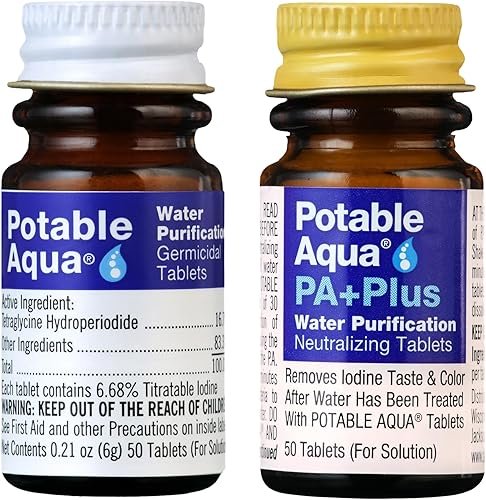
Emergency & Travel | Two-step purification (PA Plus removes iodine taste) | $38 |
Amazon eBay |
 |
Lightweight Travel & Camping | Compact NaDCC tablets, 1-2L per tablet | $14 |
Amazon eBay |
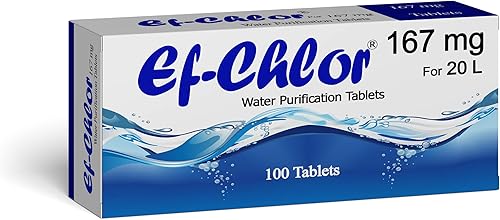 |
Home Tank & Large Container Prep | High-dose, 1 tablet treats 20-25L | $15 |
Amazon eBay |
 |
Initial Water Diagnosis | Tests 18 parameters including lead, hardness, chlorine | $27 |
Amazon eBay |
Potable Aqua with PA Plus
This is the gold standard for emergency water purification. The two-step process—purification tablet followed by the PA Plus neutralizer—is what sets it apart. We’ve used these on multi-day hikes and in disaster prep kits. The PA Plus genuinely removes the iodine taste and color, which makes the water much more palatable. It’s not for daily use, but when you need it, you’ll be glad you have it.
- Proven, reliable disinfection
- PA Plus removes iodine taste
- Extremely long shelf life
- Does not filter sediment or chemicals
- Requires 30-40 min wait time
- Not for pregnant women or those with thyroid issues (iodine-based)
Ef-Chlor 8.5mg NaDCC Tablets
These are our go-to for lightweight travel. The NaDCC (Sodium Dichloroisocyanurate) formula is a stable chlorine source that’s very effective and doesn’t have the harsh taste of straight iodine. Each tiny tablet treats one to two liters, making them perfect for a day hike or filling a hydration pack. They’re also a smart addition to a compact emergency kit.
- Very compact and lightweight
- Effective against bacteria and viruses
- Minimal aftertaste
- Won’t remove heavy metals or chemicals
- Need to carry enough for your trip
Ef-Chlor 167mg High-Dose Tablets
This is a different beast entirely. One tablet treats 20 to 25 liters, making it ideal for disinfecting large water storage tanks, rainwater drums, or water jugs at a campsite. It’s a staple for anyone serious about household emergency preparedness, especially in areas prone to floods or bushfires where water infrastructure can fail. Simple, fast, and powerful.
- High dose for large volumes
- Fast-acting (30 minutes)
- Essential for tank water safety
- Overkill for a single water bottle
- Must be stored properly (cool, dry place)
18-in-1 Water Quality Test Strips
Before you spend a dime on a filter, buy this. Seriously. We keep a bottle in our testing kit. These strips give you a quick, affordable snapshot of your water’s condition. Dip it, wait 30 seconds, and compare the colors. While not lab-accurate, they’ll tell you if you have high chlorine, lead, nitrates, or hard water. It’s the diagnostic step most people skip.
- Tests 18 key parameters
- Fast, easy, and affordable
- Great for initial screening
- Not a substitute for professional lab testing
- Color matching can be subjective
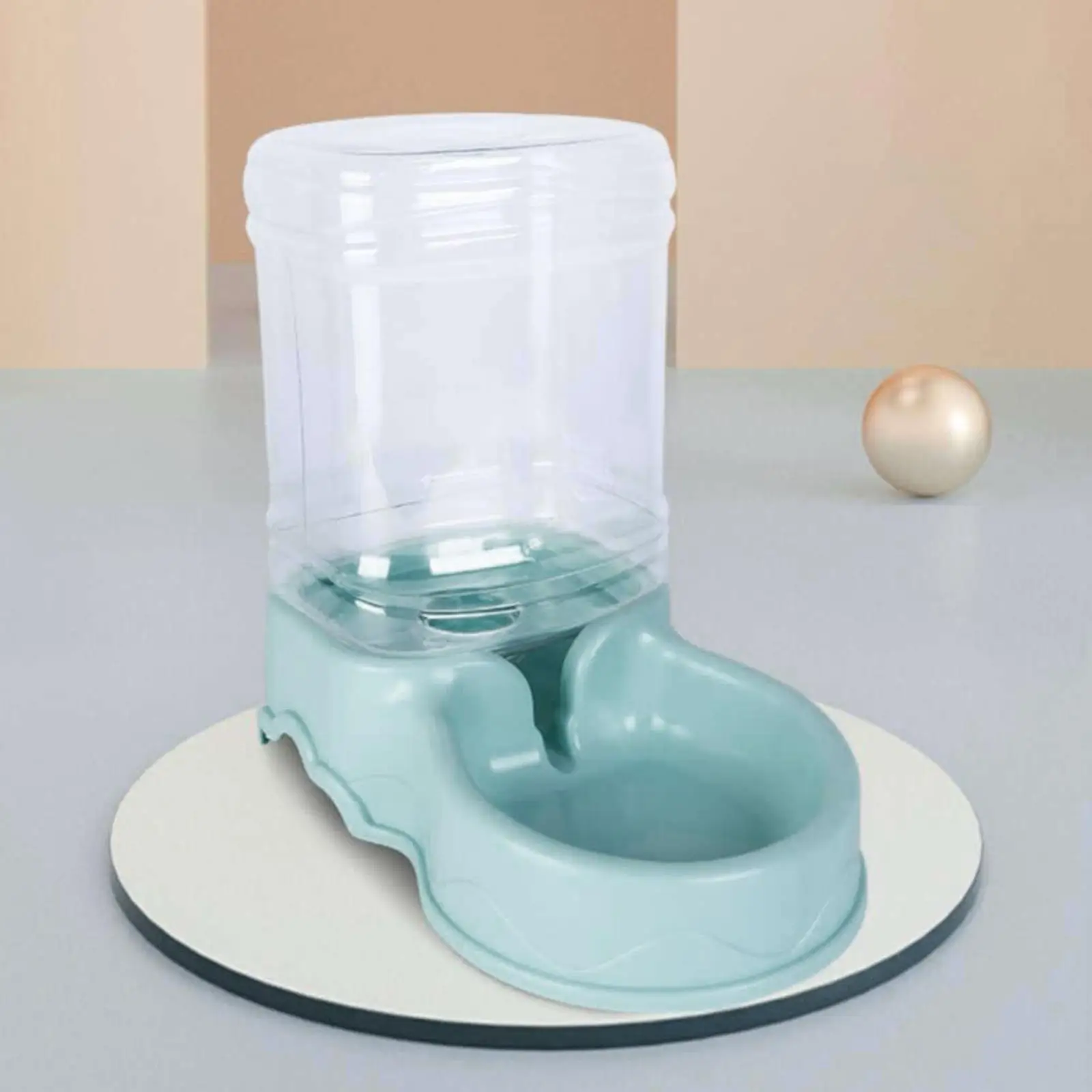
3.5L Automatic Dog Water Feeder
This is a gravity-fed water dispenser for pets. It has nothing to do with purifying water for human consumption. We’re including it to show the kind of unrelated product that can clutter search results. If you need a drinking water solution, this isn’t it.
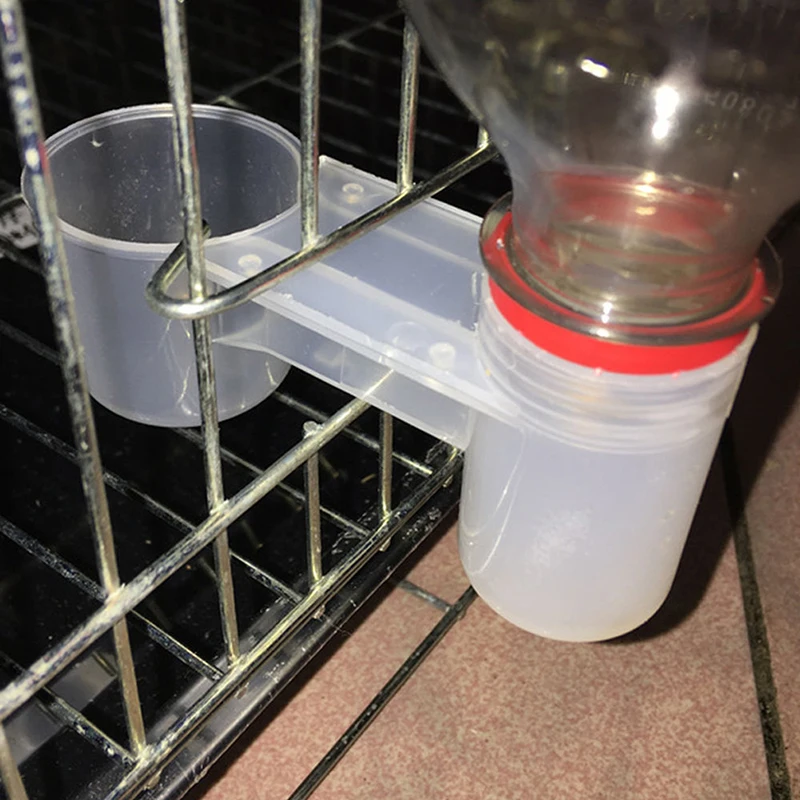
Plastic Pet Bird Feeder Water Bottle
Again, this is a small water bottle for pet birds. It’s not a filter, not a purifier, and not a solution for making tap water safe to drink. It’s a good reminder to double-check product listings and read descriptions carefully before clicking “buy.”
Frequently Asked Questions
- What is the best drinking water solution for home use?
- For most homes on municipal water, a quality under-sink ceramic filter cartridge or carbon block system is excellent. It removes chlorine, lead, and cysts without wasting water. If you have specific contaminants like nitrates or fluoride, reverse osmosis is the best solution.
- Do water purification tablets make water safe?
- Yes, but with caveats. They are highly effective at killing bacteria, viruses, and protozoa, making bacteriologically contaminated water safe to drink. They do not remove chemical contaminants, heavy metals, or improve turbidity. Always use them with the clearest water you can find.
- How often should I replace my water filter?
- Follow the manufacturer’s schedule exactly. It’s based on gallons used or time, whichever comes first. A carbon filter might last 6 months, an RO membrane 2-3 years. Using a filter past its lifespan is ineffective and can be unhealthy.
- Can I test my water at home?
- Absolutely. Home test strips, like the 18-in-1 kit we recommend, are great for an initial screening. They can identify high levels of chlorine, hardness, lead, nitrates, and more. For precise numbers or to test for specific bacteria, send a sample to a certified lab.
- Is a whole-house filter necessary?
- It depends on your water and your concerns. If you only want better-tasting drinking water, a point-of-use filter is sufficient. If you want to remove chlorine from your shower (better for skin and hair) or protect appliances from sediment, a whole-house system is worth considering.
- What’s the difference between a water filter and a water purifier?
- Generally, a filter removes contaminants down to a certain micron size (like 0.2 microns for bacteria). A purifier, like UV light or chemical tablets, also kills viruses, which are much smaller. For travel in areas with viral risks, you need a purifier, not just a filter.
Final Thoughts
Choosing a drinking water solution is personal. There’s no universal “best.” Start by testing your water. Identify your main concern—is it taste, safety, or both? Then match a solution to that problem and your lifestyle. A camper needs tablets. A homeowner might need an RO system. A renter will love a pitcher.
Our consistent advice after all these years? Start simple. A good test kit and a quality point-of-use filter will solve the problem for 80% of people. Don’t overcomplicate it. The goal is clean, safe, good-tasting water from your own tap. That’s a solution worth having.
