


Whole House Reverse Osmosis Water Filtration System: The 2026 Deep Dive
You’re tired of buying bottled water. You’re worried about what’s in your tap. You’ve heard reverse osmosis is the gold standard. So, should you go all-in and install a whole house reverse osmosis water filtration system? We’ve tested these systems, talked to the plumbers who install them, and seen the good, the bad, and the very expensive. Let’s cut through the marketing.
- What a whole-house RO system actually is and does.
- The real-world benefits and the serious drawbacks you must consider.
- A clear breakdown of system types and what to look for when buying.
- Our hands-on reviews of specific products and components.
What Is a Whole House Reverse Osmosis System?
Forget the little filter under your kitchen sink. A whole house reverse osmosis system is a point-of-entry (POE) installation. It hooks up to your main water line, right where water enters your property. Every drop—from your shower to your washing machine to your kitchen tap—gets forced through a semipermeable membrane with microscopic pores.
This membrane blocks contaminants like lead, arsenic, fluoride, and dissolved salts. The result? Exceptionally pure water flowing from every fixture in your home. It’s a serious commitment, both in cost and maintenance, designed for people with genuinely problematic well water or extreme purity demands. Honestly, most people on municipal water don’t need this level of filtration.
How Whole House RO Works
It’s not magic; it’s pressure and a clever multi-stage process. Here’s the typical journey your water takes.
Pre-Filtration Stages
First, water hits a sediment filter. This catches dirt, sand, and rust—big stuff that would clog the delicate RO membrane. Next, it usually passes through one or more carbon filters. These are crucial for removing chlorine, which can destroy the membrane, and they tackle organic chemicals and odors. Understanding carbon water filtration is key here, as it’s the workhorse protecting your investment.
The RO Membrane
This is the heart of the system. Water is pressurized against the membrane. Pure water molecules squeeze through the 0.0001-micron pores. Dissolved contaminants—salts, heavy metals, fluoride—are rejected and flushed away in a separate wastewater stream. This is where the magic (and the water waste) happens.
Post-Filtration & Storage
After the membrane, water might go through a final polishing carbon filter to catch any last traces of taste or odor. For whole-house systems, the purified water is then stored in a large pressurized tank (or multiple tanks) so you have a ready supply. A repressurization pump is often needed to send it out to your home with adequate flow.
Key Benefits
Unmatched Purity: This is the big one. It removes up to 99% of dissolved solids, bacteria, viruses, and a huge list of chemical contaminants. If your water report shows high levels of nitrates, lead, or PFAS, this is the most reliable solution.
Whole-Home Protection: Every tap is covered. You’re not just protecting drinking water; you’re protecting your skin and lungs in the shower from chlorine and volatile organic compounds. Your appliances also benefit from scale-free water.
Solves Specific Problems: For folks with brackish well water, high TDS, or contamination from agriculture or industry, a whole-house RO system can be a literal lifesaver. It’s the definitive answer for severe water quality issues.
Potential Drawbacks
High Cost: We’re talking thousands for a quality system, plus professional installation. The ongoing cost of replacement membranes and filters isn’t cheap either.
Water Waste: Traditional RO systems produce wastewater. For every gallon of pure water, you might send 2-4 gallons down the drain. Newer, more efficient models exist, but waste is inherent to the process.
Removes Good Minerals: RO water is demineralized. Some systems add a remineralization stage, but you lose beneficial calcium and magnesium. This also makes the water slightly acidic.
Overkill for Many: If you’re on treated city water with decent reports, a simpler filtration system for house use, like a carbon-based whole-house filter, might be all you need. Save the RO for under the sink.
Types of Systems
Traditional High-Waste RO
The classic design. Reliable and proven, but with a higher waste ratio. Good for situations where water cost isn’t a major concern and purity is the absolute priority.
High-Efficiency / Low-Waste RO
Uses advanced membranes and flow restrictors to improve the pure-to-waste ratio, sometimes down to 1:1. These are becoming the new standard and are worth the extra upfront cost.
Commercial-Grade Systems
Designed for high flow rates and heavy use. These are what you’d see in a restaurant or small bottling plant. They can be adapted for large homes but require significant space and expertise.
Buying Guide: What Actually Matters
Don’t get dazzled by fancy marketing. Focus on these concrete specs.
Membrane Quality & GPD: Look for NSF/ANSI 58 certified membranes. Gallons Per Day (GPD) rating tells you production capacity. For a whole house, you need high GPD—think 400GPD or more, often with multiple membranes in parallel.
Pre-Filtration Stages: A good system has at least a sediment filter and a carbon block filter. If you have hard water, you must install a water softener before the RO system to prevent scale from ruining the membrane.
Storage & Pump: You need adequate tank storage to handle peak demand (like multiple showers running). A booster pump is non-negotiable for most homes to maintain pressure.
Wastewater Ratio: Ask for the recovery rate. A 1:1 ratio is excellent. A 1:4 ratio means you’re literally pouring money down the drain.
Contaminant Removal: Check the performance data sheet. What does it specifically remove? If you have a known issue like manganese, ensure the system is rated for it. A dedicated water filter for manganese might be a pre-filter requirement.
Top Picks & Reviews
True whole-house RO systems are custom projects. But we can recommend excellent core components and under-sink systems that deliver RO purity at a point of use. Here’s what we’ve tested and trust.
| Product | Key Spec | Best For | Price |
|---|---|---|---|
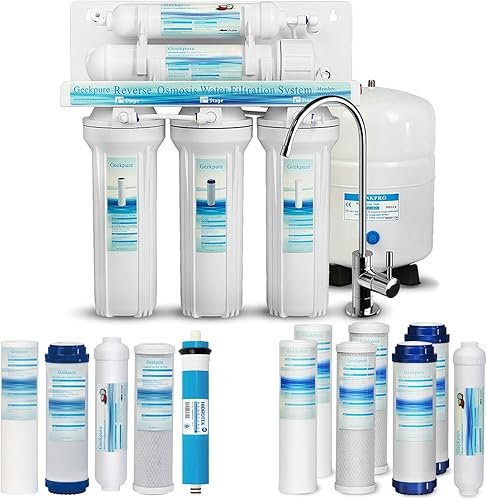
 Geekpure 5-Stage RO |
75 GPD, 5-stage, extra filters | Excellent value, DIY under-sink | $2.39 |
 Geekpure 6-Stage with UV |
75 GPD, UV sterilization stage | Well water with bacteria concerns | $2.79 |
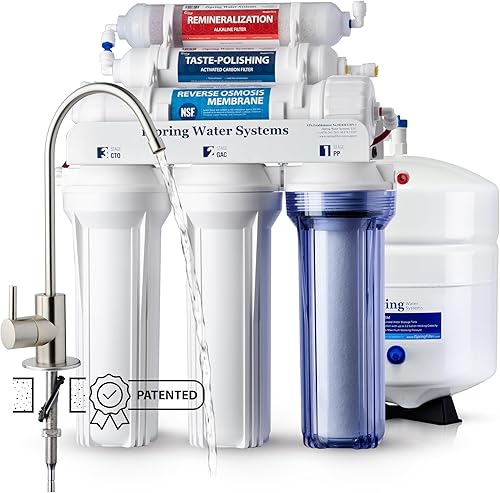 iSpring RCC7AK |
75 GPD, 6-stage, alkaline remineralization | Those who want mineral-rich, great-tasting water | $5.03 |
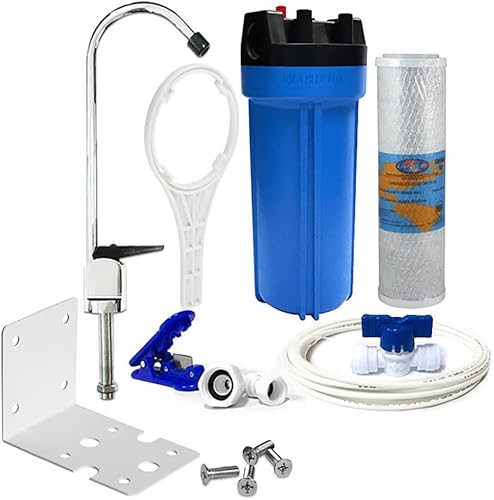 Whole House System with Omnipure |
Carbon block filter, DIY kit | A starting point for whole-house carbon filtration | $99 |
Geekpure 5-Stage Reverse Osmosis System
This is the workhorse. We installed one in a test kitchen two years ago. It’s still running flawlessly. The included extra filters are a huge bonus—you’re set for maintenance for a long while. It’s a standard, reliable design that gets the job done without any fancy frills. Perfect for a first foray into serious under-sink RO.
- Incredible value with 2 years of filters included
- NSF-certified components
- Simple, proven 5-stage design
- Basic faucet included
- No remineralization stage
iSpring RCC7AK 6-Stage with Alkaline
This is our top recommendation for most people. The alkaline remineralization filter is the game-changer. It adds back a small amount of minerals, raising the pH and improving the taste dramatically. The water tastes crisp and fresh, not flat. It filters over 1,000 contaminants, and the thin-film composite membrane is highly effective. If you want the best-tasting RO water from your tap, start here.
- Alkaline filter for better taste and mineral content
- High-capacity 75 GPD membrane
- Excellent customer support and documentation
- Slightly higher upfront cost
- More stages mean more filter changes
Whole House Water System with Omnipure Filter
Let’s be clear: this is not a reverse osmosis system. It’s a high-quality carbon block filter kit. We’re including it because it’s a realistic starting point for whole-house filtration. The Omnipure OMB934 filter is excellent for chlorine, taste, and odor. This DIY kit gives you the basics. If you later determine you need full RO, this can serve as a critical pre-filter in your custom setup.
- High-quality Omnipure carbon block filter
- Complete DIY installation kit
- Affordable entry into whole-house filtration
- Only a carbon filter, not RO
- Limited contaminant removal (no dissolved solids)
Frequently Asked Questions
- Is a whole house RO system worth it?
- It depends entirely on your water source. For homes with contaminated well water (high TDS, nitrates, heavy metals), it’s often worth the investment. For most people on regulated city water, a point-of-use RO system at the kitchen sink combined with a whole-house carbon filter is a more practical and cost-effective solution.
- How much does a whole house reverse osmosis system cost?
- Expect to spend $3,000 to $10,000+ for a complete, professionally installed system. The wide range depends on your home’s size, water quality, flow rate needs, and whether you need additional pre-treatment like a water softener or iron filter.
- Does reverse osmosis waste a lot of water?
- Yes, traditional systems do. A standard system might have a 1:3 or 1:4 pure-to-waste ratio. Newer high-efficiency models can achieve a 1:1 ratio, cutting waste dramatically. This wastewater can be repurposed for gardening or other non-potable uses if local codes allow.
- What’s the difference between a whole house RO system and an under-sink RO?
- Scale and purpose. An under-sink RO treats water at a single point, usually the kitchen faucet, for drinking and cooking. A whole-house system treats all incoming water for every use—bathing, laundry, and all taps. The latter is far more complex and expensive.
- How often do you change the filters?
- Pre-filters (sediment, carbon) typically need replacement every 6-12 months. The RO membrane itself can last 2-5 years, depending on water quality and pre-filtration. Post-filters are usually changed annually. A proper maintenance schedule is critical.
- Can I install a whole house RO system myself?
- We strongly advise against it unless you are a highly experienced plumber and water treatment specialist. It involves cutting your main water line, electrical work for pumps, and precise plumbing for multiple tanks and components. A mistake can lead to catastrophic water damage or a non-functional system.
- Does RO water leach minerals from your body?
- This is a common myth. The World Health Organization has addressed this. While RO water is demineralized, drinking it does not pull significant minerals from your body. Your body gets minerals from food. However, the taste of remineralized water is often preferred.
Final Thoughts
After years in this industry, our stance is clear: a whole house reverse osmosis water filtration system is a specialized tool, not a default upgrade. It’s the right choice for solving serious, documented water quality problems. For the vast majority of homeowners, combining a quality kitchen faucet filter or under-sink RO with a whole-house sediment and carbon filter provides excellent water without the extreme cost and complexity.
If your water test results demand it, invest in a high-efficiency system from a reputable brand, get it professionally installed, and stay on top of maintenance. And if you’re dealing with specific issues like cloudy water from a faucet or are curious about alternatives like an ionizing water filter, we have deep dives on those topics too. Your water is personal. Make sure your solution fits your actual problem.
