


The Real Cost of a Reverse Osmosis System for Your Whole House (2026)
So you’re thinking about putting a reverse osmosis system on your main water line. It’s a big commitment. We’ve installed, tested, and lived with these systems for years, and the single biggest question we get is always about cost. Let’s break down exactly what you’ll pay, what you’re paying for, and where people often get it wrong.
- What a whole-house RO system actually is and why it’s different
- The real price breakdown: equipment, installation, and long-term upkeep
- How to choose the right system size for your family
- Our top product picks across different budgets
What Is a Whole-House Reverse Osmosis System?
A whole-house reverse osmosis system is a point-of-entry water treatment solution. It’s installed where your main water line enters your home, treating every drop of water before it reaches any faucet, shower, or appliance. This is fundamentally different from the small under-sink units most people know.
These systems are heavy-duty. They’re built to handle thousands of gallons per day and tackle severe contamination issues like high total dissolved solids (TDS), nitrates, heavy metals, or specific chemicals like PFOA/PFOS. Honestly, most people with city water don’t need one. But if you’re on a well with serious problems, or you have extreme hardness combined with other contaminants, it can be the only real solution.
How Whole-House RO Works
The process is a multi-stage gauntlet for your water. It’s not just the RO membrane doing all the work.
Pre-Filtration Stages
Water hits sediment filters first, usually 5-micron then 1-micron, to knock out dirt, rust, and sand. Next, one or two carbon filters grab chlorine, chloramines, and organic chemicals that would otherwise shred the delicate RO membrane. If your water has high levels of iron or sulfur, you’ll absolutely need a dedicated iron and sulfur filter as a pre-treatment step. Skip this, and you’ll be replacing expensive membranes constantly.
The RO Membrane Stage
This is the core. Pressure (often from a dedicated booster pump) forces water through a semi-permeable membrane with pores so small—0.0001 microns—that only water molecules pass through. Up to 98% of dissolved salts, metals, and contaminants get flushed away as “reject” water. A typical system might produce 500 gallons of pure water a day while sending 250-500 gallons down the drain.
Post-Treatment & Storage
The purified water is aggressive and will leach minerals from pipes, so it almost always goes through a post-filter. This often includes a calcite or remineralization filter to add back calcium and raise pH. Many homes also need a large storage tank (100-500 gallons) and a repressurization pump to ensure adequate flow and pressure to all fixtures.
Key Benefits of Whole-Home RO
Unmatched Purity: This is the big one. You get near-distilled quality water from every tap. It’s the most thorough treatment available for residential use.
Appliance Protection: Scale buildup in water heaters, coffee makers, and ice machines virtually stops. Your appliances will last longer and run more efficiently.
Solves “Impossible” Water Problems: If you have high TDS, sodium, or specific chemical contamination that other filters can’t handle, whole-house RO is often the only viable fix.
Potential Drawbacks & Hidden Costs
High Upfront & Installation Cost: The system itself is just the start. Professional installation, often requiring plumbing modifications, electrical work for pumps, and sometimes even a concrete pad for tanks, can easily double the equipment cost.
Ongoing Expenses: Pre-filters need replacing every 6-12 months ($100-$300). The RO membrane itself, every 3-5 years ($200-$500). And your water bill will increase due to the reject water—typically a 1:1 to 2:1 waste ratio.
Aggressive Water: The output is very low in minerals. Without proper post-treatment, it can be corrosive to copper plumbing and fixtures. It also tastes flat to many people. You must remineralize.
Space & Maintenance: These systems are large. You need a dedicated utility area. They also require more hands-on monitoring and maintenance than any other home water treatment system. For a simpler, space-saving option for just drinking water, a high-capacity under-sink unit like the GE under sink water filter might be a smarter choice.
Types of Whole-House RO Systems
Light Commercial / Large Residential
These are the most common for homes. Flow rates typically range from 0.5 to 2 gallons per minute (GPM) of purified water, often paired with a storage tank. They’re designed for households of 4-8 people with moderate to severe water issues.
High-Recovery Systems
Designed to minimize waste, these systems use advanced controls and multiple membrane stages to achieve a 3:1 or even 4:1 pure-to-waste ratio. They cost more upfront but save water long-term. Worth it if you’re on a metered supply or in a drought-prone area.
Custom Commercial Systems
For large homes, small businesses, or light industrial use. These are built-to-order with flow rates of 5+ GPM and often include sophisticated UV sterilization, skid-mounted frames, and automated flushing. Prices start at $8,000 and climb quickly.
Buying Guide: What Actually Matters
Forget flashy marketing. Focus on these four criteria.
1. Your Water Report: Get a comprehensive lab test first. The contaminants and their levels dictate everything—whether you need RO at all, what pre-treatment is required, and what membrane type to use. You can’t choose a system blindly.
2. Flow Rate (GPM) & Daily Capacity (GPD): Calculate your peak demand. How many showers, appliances, and faucets might run simultaneously? The system’s “production rate” (GPD) must exceed your daily usage, and its storage tank must cover peak flow. Undersizing leads to pressure drops and frustration.
3. Certifications & Build Quality: Look for NSF/ANSI Standard 58 certification for the RO performance. Components like pumps, valves, and housings should be from reputable brands. A system built with a stainless steel filter housing for pre-filters will outlast a plastic one. Don’t skimp here.
4. The Installer: This is as important as the equipment. You need a water treatment specialist or a plumber with specific RO experience. They should perform a site survey, handle permits if needed, and warranty their labor. Ask for references.
Top Picks & Product Reviews
While a full whole-house system requires custom sizing, we can look at high-quality components and powerful point-of-use systems that form the core of a treatment plan. Here are some standout products in 2026.
| Product | Key Specs | Price | Links |
|---|---|---|---|
 Waterdrop CoreRO (WD-C1S) |
Countertop, 6-Stage, NSF/ANSI 372, No Install | $3.99 | AmazoneBay |
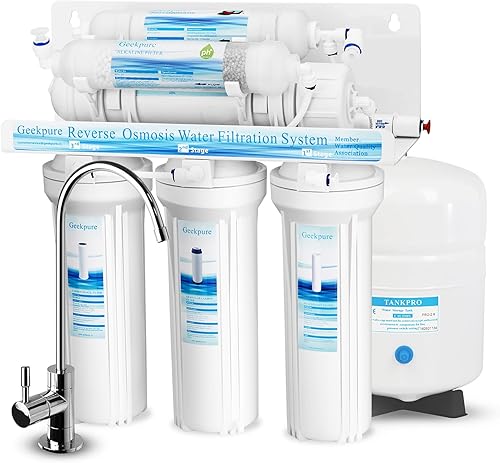 Geekpure 6-Stage Alkaline RO |
Under-Sink, 75 GPD, Alkaline Remineralization | $2.39 | AmazoneBay |
 Geekpure 5-Stage + 7 Filters |
Under-Sink, 75 GPD, 2-Year Filter Supply | $2.39 | AmazoneBay |
 Waterdrop X8 (WD-X8) |
Under-Sink, 9-Stage, 800 GPD, NSF 42&58&372 | $7.19 | AmazoneBay |
 Reverse Osmosis Pump DP-80 |
12VDC, 5.5lpm, 80PSI, For Booster Systems | $117.61 | AliExpress |
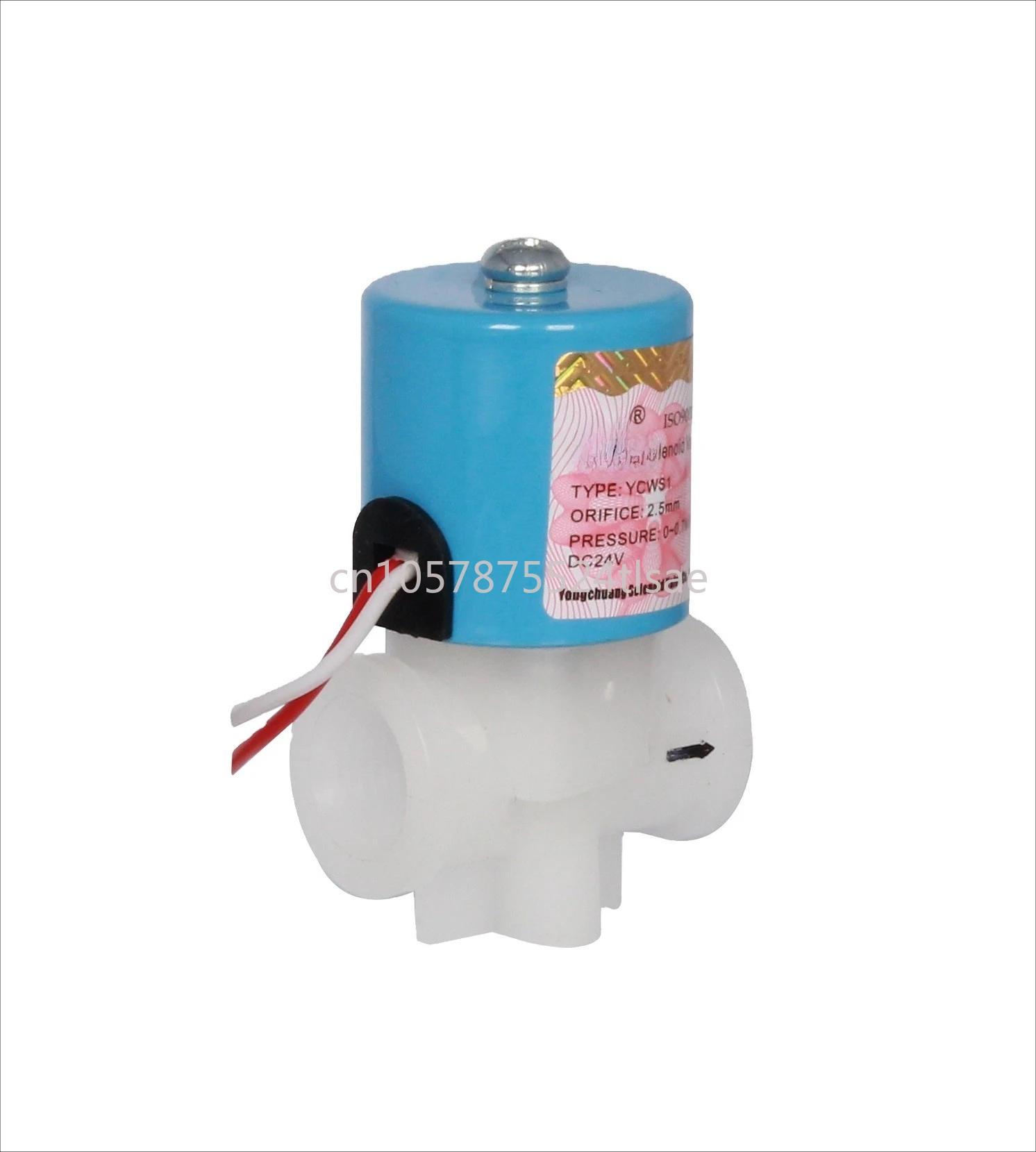 <>YCWS1 RO System Solenoid Valve <>YCWS1 RO System Solenoid Valve |
Low-Cost, Quick-Loading, 24V/12V/220V AC | $295.08 | AliExpress |
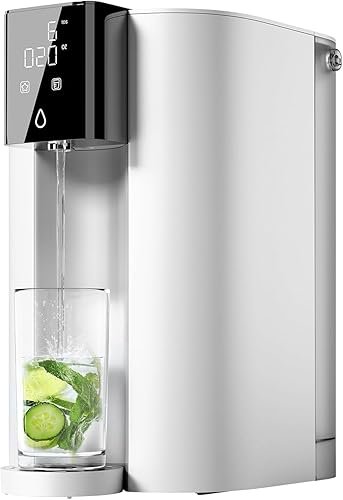
Waterdrop CoreRO Countertop System (WD-C1S)
This is the system we recommend to renters or anyone hesitant about plumbing. It’s a true 6-stage RO purifier that sits on your counter—no installation. Just plug it in. We’ve tested it against TDS meters and it performs as well as many under-sink units. The “flushing process” on first use is a bit fiddly, but once set up, it’s dead simple. Perfect for a single person or couple in an apartment.
- Zero installation, completely portable
- NSF/ANSI 372 certified for lead-free
- Compact, fits anywhere
- Small tank, not for high-volume use
- Countertop footprint
- Requires power outlet
Waterdrop X8 Under-Sink RO System (WD-X8)
This is a beast for a point-of-use system. 800 GPD means you’ll never wait for the tank to refill. The 2:1 pure-to-waste ratio is excellent for an RO system, saving water and money. The 9-stage filtration with NSF 42, 58, and 372 certification is the real deal. In our experience, it delivers on its promises. If you want the closest thing to whole-house purity at a single tap, this is it.
- Extremely high flow rate (800 GPD)
- Excellent 2:1 drain ratio saves water
- Triple NSF certification
- Higher upfront cost than basic models
- Still just for one faucet
- Requires under-sink power
Budget Component: DP-80 Booster Pump
For the DIYer building or repairing a system. This 12VDC pump is a common spec for boosting pressure to RO membranes. At $117, it’s a solid price for a pump of this capacity (5.5 lpm, 80 PSI). We’ve used similar pumps from AliExpress in test rigs. They work, but don’t expect the longevity or quiet operation of a name-brand pump like a Grundfos. It’s a cost-effective part for a custom build.
- Very cost-effective
- Standard specs for RO applications
- Good for DIY projects
- Unknown long-term reliability
- May be louder than premium pumps
- Requires compatible power supply
Frequently Asked Questions
- Is a whole-house RO system worth the money?
- It depends entirely on your water. For severe contamination, yes. For general hardness or chlorine, it’s overkill. A high-quality Everpure water filter system or a softener paired with a carbon filter often provides better value for common city water issues.
- Does a whole-house RO system increase home value?
- Rarely. It’s considered a specialized, maintenance-heavy system. Most buyers see it as a liability, not an asset. It won’t add to your appraisal like updated kitchens or bathrooms would.
- Can I install a whole-house RO system myself?
- We strongly advise against it unless you are a licensed plumber or water treatment pro. The electrical work for pumps, plumbing for drains and storage tanks, and system calibration are complex. A mistake can cause major water damage or poor performance.
- How often do I need to change filters in a whole-house RO?
- Pre-filters: every 6-12 months. Carbon filters: every 12 months. The RO membrane: every 3-5 years, depending on feed water quality and pre-treatment. The post-filter: annually. Budget $200-$600 per year for consumables.
- Will a whole-house RO system remove hardness?
- Yes, it removes the calcium and magnesium ions that cause hardness. However, this is an expensive way to soften water. A traditional water softener is far more efficient and cost-effective for hardness alone. Also, remember to check if is softened water safe to drink for your specific situation, as sodium levels can rise.
Final Thoughts
The cost of a reverse osmosis system for your whole house is significant, both upfront and over time. It’s a specialized tool for a specific job: treating water so contaminated that nothing else will do. For 90% of homeowners, a combination of a good sediment filter, a carbon filter, and maybe a softener or an under-sink RO for drinking water will deliver better results for far less money and hassle.
If your water test demands it, invest in quality. Buy the best system you can afford, hire a certified installer, and commit to the maintenance schedule. It’s not a purchase; it’s a long-term relationship with your water supply. Do it right, and you’ll have pristine water from every tap for years to come.
