



So, you’re thinking about drilling a well. The freedom of your own water source is tempting, but the first question is always the same: what’s this actually going to cost me? After talking to drillers and homeowners who’ve been through it, we’ve found the answer is never simple. But we can map out the territory.
This guide covers:
- The real cost breakdown, from permits to the final pump
- What makes the price double or triple
- The tools you’ll need for the job
- Our top equipment picks for every budget
What Is the True Cost of Digging a Well?
Let’s cut to the chase. The national average for drilling a residential water well sits between $5,000 and $8,000. But that number is almost useless. We’ve seen simple, shallow wells come in under $4,000 and deep, complex systems climb past $20,000.
Think of it like buying a car. A basic sedan and a loaded truck are both “cars,” but the price difference is massive. Your well cost is the same. The core expense is the drilling itself, billed per foot. Then you add the casing, the pump, the pressure tank, and all the plumbing to get water into your house.
Don’t forget the “soft” costs. Permits, water quality testing, and hiring a licensed electrician for the pump hookup are non-negotiable. Skipping these is a false economy that can lead to fines, unsafe water, or a system that fails inspection.
How Well Drilling & Pricing Works
Understanding the process helps you understand the bill. A drilling company doesn’t just show up and start digging. There’s a sequence, and each step has a cost.
The Drilling Process
First, they’ll survey your land, often using existing well data from neighbors as a guide. The big truck arrives, sets up the rig, and starts drilling. They’ll hit rock, clay, sand, and hopefully, a good water-bearing aquifer. This is the most expensive part, charged per linear foot.
Once they reach water, they’ll insert steel or PVC casing to keep the hole from collapsing. A gravel pack might be added around the screen at the bottom. Then comes a development phase, pumping and surging the well to clear out fine particles and maximize flow.
Cost Breakdown: Where Your Money Goes
- Drilling: $25 – $65 per foot. This is the big variable.
- Casing: $6 – $25 per foot. Deeper wells need stronger, more expensive casing.
- Pump & Pressure System: $2,000 – $5,000+ installed. This is the heart of your system.
- Permits & Testing: $500 – $1,500. Depends entirely on your local regulations.
- Site Restoration: $100 – $1,000. Grading, landscaping, fixing your lawn.
Key Benefits of Having Your Own Well
Why go through this hassle? For many, it’s about long-term savings and control. No more monthly water bills. That recurring cost disappears, replaced by the electricity to run your pump.
You also gain independence. Municipal water restrictions during droughts don’t affect you. And the water quality is your responsibility—which is a good thing. You’re not at the mercy of city treatment plants or aging pipes. Once you have your well water, a proper water filtration system gives you complete control over what comes out of your tap.
For rural properties, it’s often the only option. But even in areas with city water, a well can be a smart investment, especially if you use a lot of water for gardening, livestock, or filling a pool.
Potential Drawbacks & Hidden Costs
You’re now the water company. That means you’re responsible for maintenance, testing, and repairs. Pumps fail. Pressure tanks leak. Water quality can change. You’ll need to budget for periodic testing and eventual pump replacement (every 8-15 years).
Initial water quality is a gamble. You might hit hard water, iron, or sulfur. That means you’ll need a water softener system for home treatment or other filtration, which adds to the upfront cost. Treating well water often requires specific water softener salt or media.
Types of Wells & Drilling Methods
Your property’s geology dictates the well type and the drilling method. This choice has the biggest impact on your final digging a well cost.
Dug or Bored Wells
The old-fashioned way. These are shallow (less than 50 feet), wide-diameter wells, often lined with concrete rings. They’re cheaper to dig but highly vulnerable to surface contamination and can run dry in a drought. Not recommended for new construction.
Driven Point (Sand Point) Wells
A steel pipe with a screened point is literally hammered into the ground. Only works in areas with soft, sandy soil and a high water table. Very inexpensive, but limited in depth (usually under 50 feet) and yield.
Drilled Wells
This is the modern standard. A rotary or cable tool drill rig bores a hole 4 to 8 inches in diameter, from 100 to 500+ feet deep. It’s the most expensive method but provides the best protection from contaminants and the most reliable water supply. This is the type we’ll focus on for cost.
Buying Guide: Essential Well Digging Tools
Unless you’re a professional, you’re not drilling your own well. But for shallow driven-point wells, minor maintenance, or landscaping around your wellhead, having the right hand tools is key. Don’t waste money on flimsy gear.
Material Matters: Look for forged steel heads, not stamped. Fiberglass or steel handles are more durable than wood for heavy digging. A good shovel should feel balanced, not head-heavy.
The Right Tool for the Job: You don’t need a full excavator’s toolkit. A sturdy spade for cutting roots and digging test pits, and a trenching shovel for laying pipe from the well to your house, will cover most DIY tasks. For professional installation, you’ll rely on your contractor’s heavy equipment, but understanding the process helps you ask the right questions. If you’re connecting the well to your home’s plumbing, knowing how to install a water softener system or other treatment is the logical next step.
Top Picks: Well Digging Tools
We’ve used and abused dozens of shovels and spades. For the minor digging and prep work around a well project, these have proven their worth.
| Product | Price | Best For | Buy |
|---|---|---|---|
 Digging the Vein Digging the Vein |
$4 | Understanding the geology & process | AmazoneBay |
 Heavy-Duty Manganese Spade Heavy-Duty Manganese Spade |
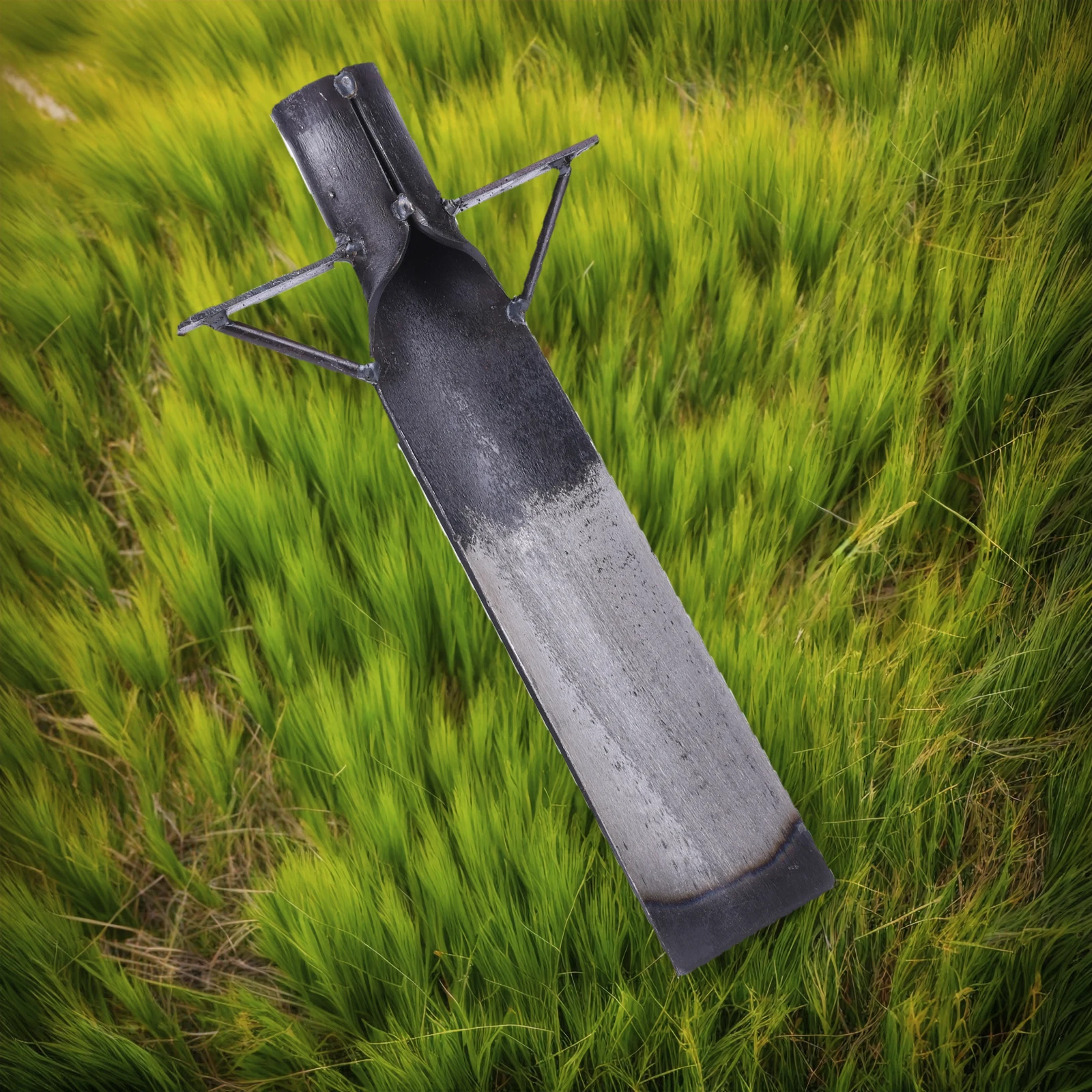
$19.23 USD | Heavy-duty root cutting & tough soil | AliExpress |
 Non-Slip Handle Shovel Non-Slip Handle Shovel |
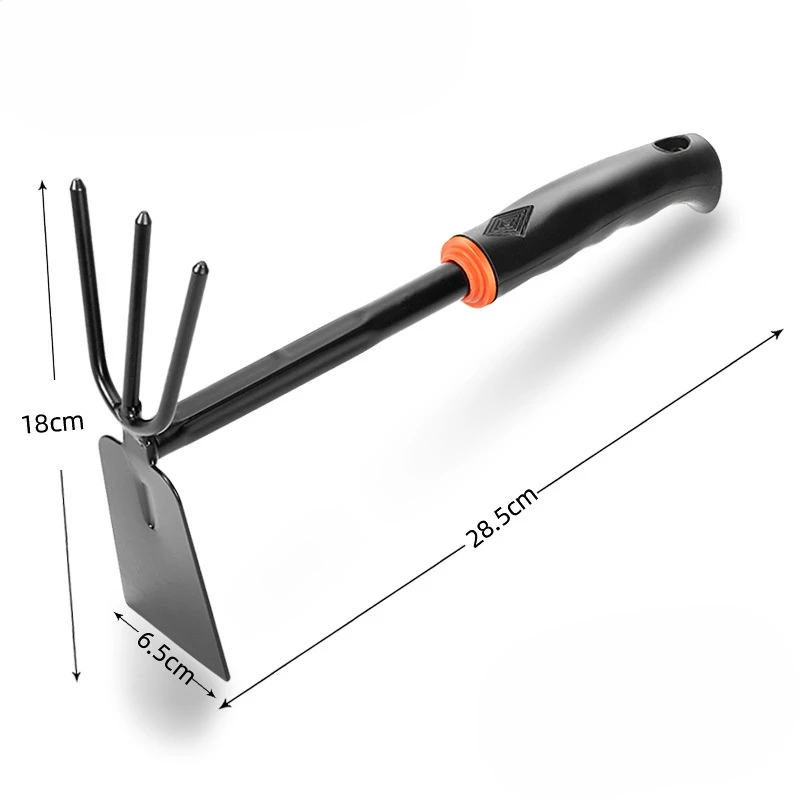
$7.18 USD | Budget-friendly general digging | AliExpress |
Review: Digging the Vein
This isn’t a tool, but it’s the most important thing you can buy before spending thousands. It’s a short, practical book that explains the mindset and process of finding water. For $4, it’s an incredible education that might save you from drilling in the wrong spot. We recommend every homeowner read this before calling a driller.
- Dirt cheap knowledge
- Practical, not theoretical
- Helps you ask informed questions
- Not a physical tool
- Very niche topic
Review: Heavy-Duty Manganese Steel Spade
When we need to chop through a stubborn root or pry out a rock, this is the spade we grab. The manganese steel head holds an edge and doesn’t bend. It’s heavy, which is a feature for driving it into hard ground, but you’ll feel it after a day’s work. The D-grip is solid. A proper tool for serious digging.
- Extremely durable head
- Excellent for prying
- Good weight for cutting
- Heavy for light tasks
- Long shipping from AliExpress
Review: Non-Slip Handle Garden Shovel
For the price, this shovel is a steal. It’s perfect for moving loose soil, digging shallow trenches for wiring, or cleaning up around the wellhead. The handle is comfortable, and the blade is surprisingly sturdy. Don’t expect it to survive abuse against rocks and roots, but for general prep work, it gets the job done without breaking the bank.
- Incredible value
- Comfortable grip
- Light and easy to use
- Not for hard soil or prying
- Blade may flex under heavy load
Frequently Asked Questions
- How deep do you have to dig for a well?
- It varies wildly by location. In some areas, you’ll hit good water at 80 feet. In others, you might need to go 400 feet or more. Your neighbors’ well depths are the best indicator. The deeper you go, the higher your digging a well cost.
- Is it cheaper to dig a well or connect to city water?
- Upfront, connecting to city water is almost always cheaper—often just a few thousand dollars. A well is a long-term investment. You break even over 5-15 years by eliminating monthly bills, then it’s pure savings. You also gain independence and control over your water quality.
- How long does it take to drill a residential well?
- The actual drilling usually takes 1-3 days. But the full process—from permits and scheduling to installing the pump and testing water quality—can take 2 to 6 weeks. Plan for delays, especially if you hit rock or have bad weather.
- What is the most expensive part of drilling a well?
- The drilling itself is the biggest line item, especially if you hit rock. But the pump system is often the second-largest cost. A quality submersible pump, pressure tank, and controls can easily cost $3,000 to $5,000, not including labor for installation and electrical work.
- Do I need a permit to dig a well?
- Almost certainly, yes. Most jurisdictions require a well drilling permit, which involves fees, site plans, and inspections. This is a good thing—it ensures your well is built to code, safely located away from septic systems, and properly documented. Skipping the permit can lead to fines and problems when selling your home.
Final Thoughts
Digging a well is a major project with a price tag to match. But for many homeowners, it’s a worthwhile investment in independence and long-term savings. The key is to go in with your eyes open. Get multiple quotes, understand the geology, and budget for the entire system—not just the hole in the ground.
Our advice? Start by reading “Digging the Vein” to understand the process. Then, talk to your neighbors and local well drillers. And remember, the work doesn’t stop when you hit water. You’ll need a plan for treatment, starting with a comprehensive water filtration service to test and treat your specific water. Do it right, and you’ll have clean, free water for decades.
