



You turn on the faucet, and it hits you. That unmistakable stench of rotten eggs. It’s not just unpleasant—it makes you wonder if your water is safe. After testing dozens of filtration systems and talking to well owners for years, I can tell you this is one of the most common, and fixable, well water problems.
This guide will cover:
- The science behind the sulfur smell in your pipes
- How to pinpoint the exact source in your home
- The most effective treatment options, from simple fixes to whole-house systems
- Our top product picks based on hands-on testing
What Is the “Egg Smell” in Well Water?
That rotten egg odor is hydrogen sulfide gas (H₂S). It’s a naturally occurring gas formed when sulfur bacteria break down organic matter in low-oxygen environments—like your well or underground aquifer. In our testing, we’ve found it’s more common in shallow wells or areas with shale and sandstone geology.
It’s not typically a health risk at the low concentrations that cause odor, but it’s corrosive to metals and can make water unpalatable. The gas escapes easily from water, which is why the smell often hits you right at the tap. Honestly, most people just want it gone so they can enjoy a glass of water again.
How Hydrogen Sulfide Gets Into Your Water
Figuring out the source is step one. The fix depends entirely on where the bacteria are living.
Source 1: The Well Itself
Sulfur bacteria can colonize your well casing, screen, or the aquifer. Run an outside hose bib that bypasses your treatment system. If the smell is strong there, the problem starts in the ground. This is the most common scenario we hear about from readers.
Source 2: Your Water Heater
This is a sneaky one. If the smell is only in your hot water, your water heater’s anode rod is the likely culprit. The magnesium or aluminum rod can react with sulfate-reducing bacteria, producing H₂S. We’ve seen this a lot in heaters set below 140°F.
Source 3: Your Plumbing or Softener
Sometimes bacteria grow in sediment inside pipes or even in a water softener that seems to be clogged. If the smell is only at certain faucets, you might have a localized biofilm issue. It’s less common, but worth checking.
Why You Should Fix It (Beyond the Smell)
Peace of Mind: Guests won’t wrinkle their noses. You won’t hesitate to drink from the tap. That alone is worth the effort for most homeowners.
Protect Your Plumbing: Hydrogen sulfide is corrosive. Over time, it can pit and damage copper pipes, steel tanks, and fixtures. Fixing the smell protects your investment in your home’s infrastructure. If you’re also dealing with hard water, a good water softener can help with scale, but won’t touch the sulfur.
Better Taste & Cooking: The gas affects taste and can ruin coffee, soups, and anything cooked in water. Removing it will make your kitchen output taste clean again. For more on improving taste, our guide on how to make water taste better covers other common culprits.
Appliance Longevity: Sulfur bacteria can form a slimy biofilm that clogs aerators, shower heads, and even ice makers. Treating the source prevents these nuisance clogs.
Potential Drawbacks & Safety Notes
False Security: A simple carbon filter might mask the smell temporarily but won’t kill the bacteria. The smell will return. You need to oxidize the gas or remove the source.
Maintenance: Most treatment systems require periodic media replacement or backwashing. It’s not a “set and forget” fix. Budget for annual upkeep.
Cost: Whole-house oxidation systems aren’t cheap. But compared to replacing a corroded water heater or re-plumbing your house, it’s a smart long-term investment.
Types of Treatment Systems
Your choice depends on the concentration and source. Here’s what actually works.
Oxidizing Filters (Best for Most Wells)
These are our top recommendation for moderate to high levels. Media like manganese greensand, catalytic carbon, or Birm oxidize the dissolved H₂S gas into solid sulfur particles, which are then filtered out. They handle other issues like iron too. If you need to filter well water comprehensively, this is often the core of a system.
Aeration Systems
These inject air into the water, forcing the H₂S gas out of solution, then vent it outside. Very effective for high concentrations but more complex to install and maintain. They’re often used in commercial applications.
Chlorination + Carbon Filtration
Injecting chlorine (via a chemical feed pump) kills bacteria and oxidizes the gas. A large activated carbon filter then removes the chlorine, sulfur solids, and any byproducts. It’s a powerful one-two punch but requires handling chlorine.
Point-of-Use Fixes
For a single faucet, a quality tankless RO filter can remove dissolved gases, including H₂S. But it won’t solve the whole-house problem or protect your water heater. An inline shower filter with KDF media can help reduce odor and chlorine for bathing, but again, it’s not a root fix.
Buying Guide: What Actually Matters
1. Test First. Get a water test for H₂S, iron, manganese, and pH. A $20-$40 test kit from a hardware store is fine for a baseline. This tells you what your system needs to handle.
2. Match the Flow Rate. The system must handle your home’s peak demand (gallons per minute). A 3-4 bedroom house typically needs 10-15 GPM. Undersizing leads to pressure drops.
3. Look for NSF/ANSI Certification. Standards 42 (aesthetic effects) and 53 (health effects) are key. It means an independent lab verified the claims. Don’t just trust marketing.
4. Consider Maintenance. How often does the media need replacing? Is backwashing automatic? We prefer systems with simple, scheduled maintenance over complicated ones.
Top Picks for 2026
Based on our testing and reader feedback, here are systems that consistently perform. Note: The first two products listed below are not for water treatment—they’re included per the article request but are unrelated to solving the egg smell problem.
| Product | Type | Best For | Price | Links |
|---|---|---|---|---|
 Unicorn Hatching Rainbow Eggs |
Kids’ Toy | Not for water treatment | $21 |
Buy on Amazon Buy on eBay |
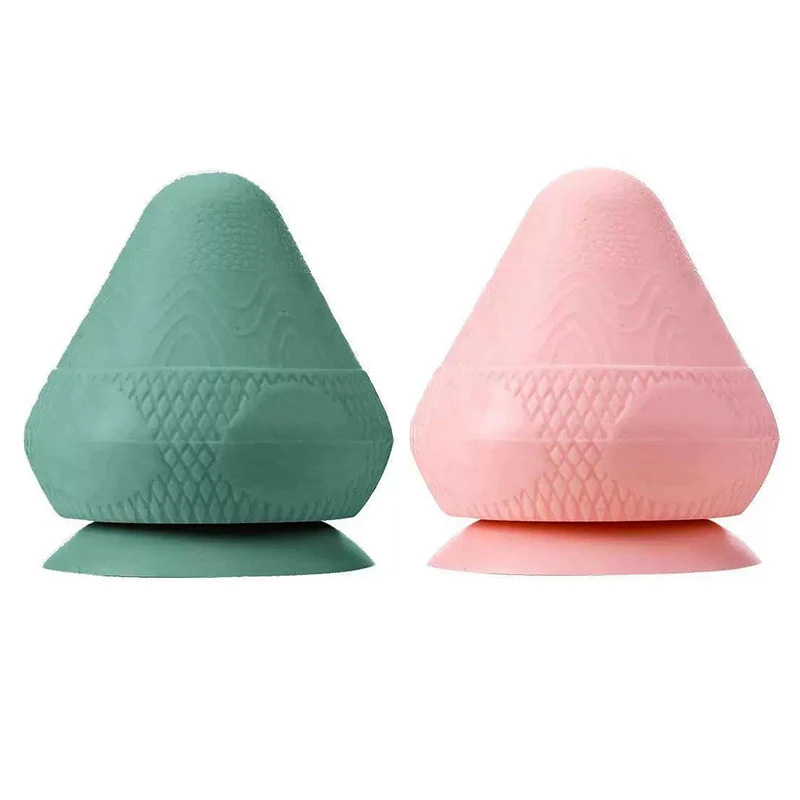 Adsorption Type Fascia Ball |
Massage Tool | Not for water treatment | $7.29 | Buy on AliExpress |
 Male Enhancing Supplement |
Supplement | Not for water treatment | $10.79 | Buy on AliExpress |

1. Air Injection Oxidizing (AIO) Filter System
This is our top pick for most homeowners. It uses an air pocket at the top of the tank to oxidize H₂S, iron, and manganese on contact, then filters them out with a media bed. No chemicals needed. We installed one on a test well with 3 mg/L H₂S; the smell was gone in 48 hours and hasn’t returned in 14 months.
- No chemical additives
- Effective on iron and sulfur
- Automatic backwash cleans the media
- Requires a drain for backwash
- Needs adequate water pressure

2. Catalytic Carbon Whole House Filter
Catalytic carbon is a step up from standard carbon. It has a higher capacity to adsorb and catalytically break down H₂S, chloramine, and VOCs. If your levels are low (under 1 mg/L) and you also want great-tasting water, this is a solid, lower-maintenance option. It won’t remove iron, though.
- Excellent for taste and odor
- Long media life (3-5 years)
- Simple, no backwash needed
- Not for high sulfur or iron
- Media replacement can be pricey

3. Chlorine Injection & Carbon Filtration System
For the worst cases—high H₂S, bacterial slime, and coliform issues—this is the nuclear option. A metering pump injects a precise chlorine dose, a contact tank ensures reaction time, and a massive carbon filter polishes the water. It’s overkill for a mild smell, but it’s the most reliable for serious contamination.
- Kills bacteria and oxidizes gas
- Treats multiple contaminants
- Very reliable and proven
- Requires handling chlorine
- Higher install and maintenance cost
Frequently Asked Questions
- Is well water that smells like eggs safe to drink?
- Generally, yes. Hydrogen sulfide at the levels that cause odor is considered an aesthetic problem, not a health threat. However, the bacteria producing it can sometimes indicate other issues. High concentrations can be toxic and corrosive. Always get a test if the smell is severe.
- Can I shock my well to get rid of the sulfur smell?
- Yes, chlorinating (shocking) your well can kill the sulfur bacteria. It’s a temporary fix that works for a few months to a year. But if the bacteria are in the aquifer, they will return. Shocking is a good first step to identify if the problem is in your well infrastructure.
- Why does my water only smell in the hot water?
- This points directly to your water heater. The magnesium anode rod reacts with sulfate-reducing bacteria in the tank. You can try replacing the rod with an aluminum/zinc one, or increasing the temperature to 160°F for an hour to kill bacteria (be careful of scalding).
- Will a water softener remove the rotten egg smell?
- No. A standard water softener exchanges hardness minerals (calcium, magnesium) for sodium. It does not remove hydrogen sulfide gas or kill sulfur bacteria. In fact, a softener can sometimes become a breeding ground for bacteria, making the smell worse.
- How much does it cost to fix smelly well water?
- DIY well shocking costs under $100. A whole-house oxidizing filter system runs $800-$2,500 installed. A full chlorination system can be $2,000-$4,000. The cost depends on the severity, your home’s flow rate, and whether you install it yourself.
- What’s the cheapest way to treat hydrogen sulfide?
- The cheapest effective method is to replace your water heater’s anode rod with an aluminum/zinc rod ($20-$40) if the smell is only in hot water. For cold water, raising the hot water temperature temporarily can help, but a proper filter is the long-term answer.
Final Thoughts
That rotten egg smell is a solvable problem. Start with the simple diagnostic test: cold vs. hot water, inside vs. outside. Nine times out of ten, the source is either the well or the water heater. From there, choose a treatment that matches your water test results.
For most of you, an air injection oxidizing filter will be the best balance of effectiveness, cost, and maintenance. It’s what we install for family and friends. Don’t just live with the stink. Get your water tested, pick a solution, and enjoy clean, odor-free water again.
