


How Long Do Well Pumps Last? Real-World Lifespan & Replacement Guide (2026)
That moment when your shower sputters to a trickle at 6 AM is not the time you want to learn about pump failure. After talking to dozens of plumbers and homeowners who’ve been through it, we’ve put together this no-nonsense guide. We’ll cover the real-world lifespan you can expect, the warning signs your pump is dying, and what actually matters when you need a new one.
What Is a Well Pump?
A well pump is the heart of your private water system. It’s the mechanical device that sits in or near your well, pulling water up from the ground and pushing it into your home’s pressurized storage tank. Without it, you have no running water. Simple in concept, but its failure is a major household crisis.
Think of it like the engine in your car. It runs on electricity, works hard every day, and eventually wears out. The big question isn’t if it will fail, but when. And that “when” is what we’re here to figure out. Getting a reliable drinking water testing kit can also reveal if corrosive water is silently killing your pump’s internals.
How a Well Pump Works
The Basic Mechanics
Most systems use a submersible pump—a long, cylindrical unit lowered into the well casing. An electric motor spins an impeller, which forces water up a pipe to your pressure tank. A pressure switch tells the pump when to kick on (typically at 40 PSI) and off (at 60 PSI). Every time you flush a toilet or run a faucet, the pump cycles.
The Cycle of Stress
Here’s what actually wears pumps out: constant starting and stopping. Each startup creates an electrical surge and mechanical stress. A pump that cycles too frequently—due to a waterlogged pressure tank, a tiny leak in your system, or high household demand—will die years earlier than one that runs for longer, steadier periods. This is the single biggest factor in pump longevity.
Key Benefits of a Healthy Pump
Consistent, reliable water pressure. No one wants a shower that goes from fire hose to drizzle. A properly sized and functioning pump maintains steady pressure throughout your home.
Energy efficiency. An old, struggling pump draws more electricity to do the same work. A new, efficient model can lower your power bill noticeably. It’s not just about water—it’s about your wallet.
Peace of mind. Knowing your water system is sound lets you focus on other home priorities. You won’t be anxiously listening for the pump to cycle on every time you turn on a tap.
Potential Drawbacks & Failure Signs
The biggest drawback is the cost and hassle of replacement. It’s not a DIY job for most people. You’ll need a professional with a rig to pull the pump from the well, which can be hundreds of dollars before you even buy the new unit. And if your pump fails, you have zero water until it’s fixed. It’s an emergency repair.
Types of Well Pumps
Submersible Pumps
The most common and efficient type. The entire unit sits underwater in the well. They’re quieter, less prone to freezing, and generally last longer (10-15 years) because they’re cooled by the water around them. This is what we recommend for most deep-well applications.
Jet Pumps
These sit above ground, either in a basement or a well house. They use suction to pull water up. Shallow well jet pumps work for wells under 25 feet; deep well versions have two pipes. They’re noisier and less efficient, with a typical lifespan of 8-12 years. They’re often found in older installations.
Constant Pressure Systems
A modern upgrade. These use a variable-speed motor that adjusts its speed based on demand, rather than just cycling on/off. They maintain incredibly steady pressure and reduce wear from frequent cycling. They cost more upfront but can extend pump life and improve daily comfort.
Buying Guide: What Actually Matters
1. Horsepower (HP) and Flow Rate (GPM). Match the pump to your home’s needs. A 3-4 bedroom home typically needs a 1/2 to 3/4 HP pump delivering 8-12 Gallons Per Minute (GPM). Oversizing is wasteful; undersizing causes rapid cycling and early death.
2. Material Quality. Look for pumps with stainless steel housings and impellers. Cheaper models use thermoplastic, which can degrade faster, especially with abrasive sand in your water. This is where spending a bit more pays off.
3. Your Water Chemistry. This is huge. High iron, manganese, or low pH (acidic water) can corrode pump components. If your water is hard or has high mineral content, consider a water softener best suited for your setup to protect the entire system.
4. Warranty. Look for at least a 3-year warranty on the motor. Premium brands often offer 5 years. This tells you the manufacturer stands behind their product’s durability.
Top Picks & Practical Tools
We’re not going to recommend a specific submersible pump here—your well depth and recovery rate are unique. Your local well driller is the best source for that. But we can point you to some genuinely useful tools for when you’re working on your system.
| Product | Price | Rating | Best For |
|---|---|---|---|
 Small Hoe for Digging |
$6.96 | 90.0% | Clearing around well caps, digging for shallow repairs |
 Premium All-Steel Hardened Hollow Hoe |
$10.81 | N/A | Heavy-duty digging for trenching or major excavation |
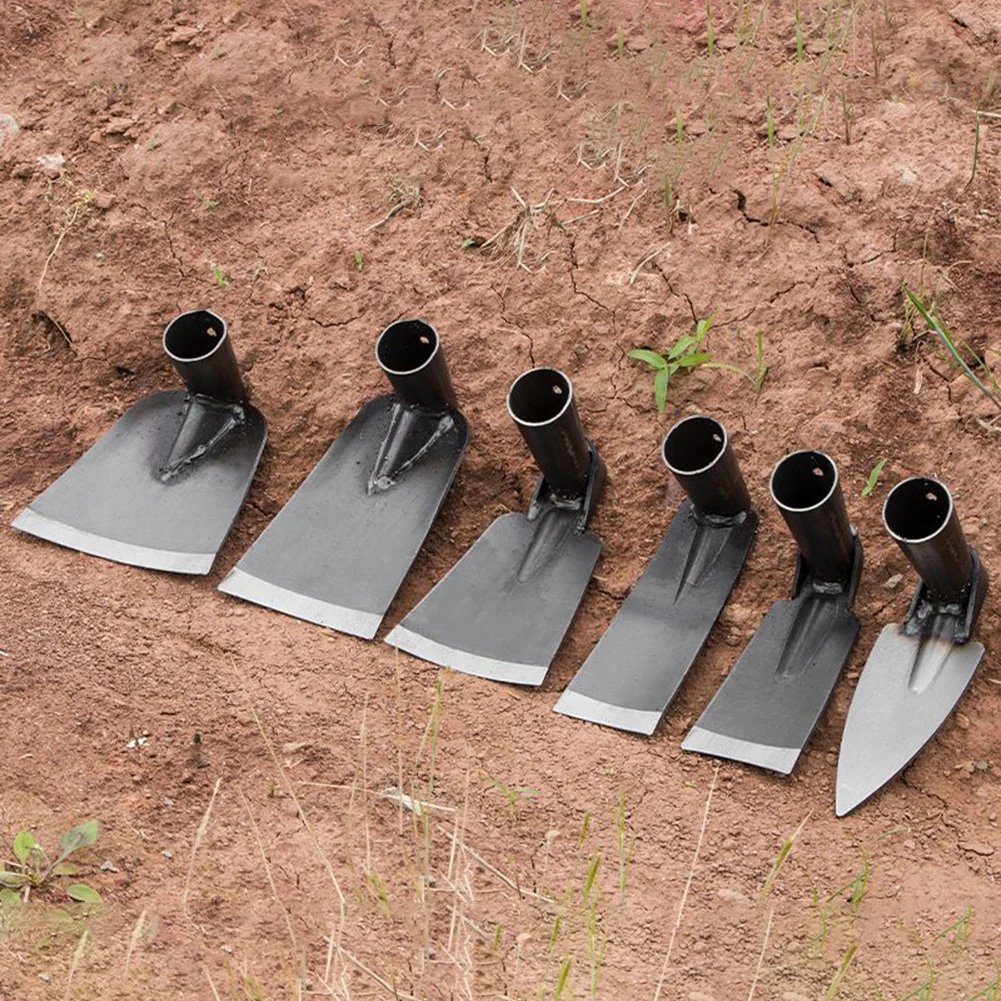
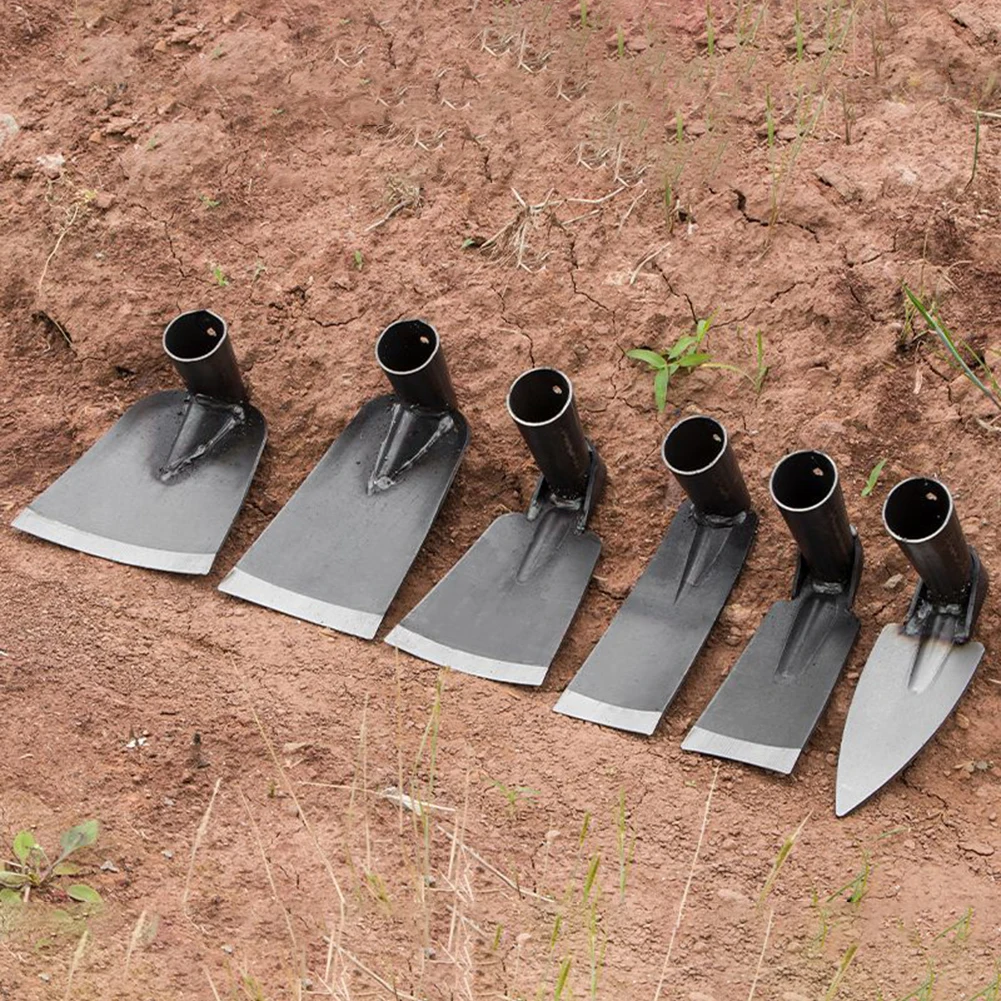
Small Hoe for Digging Soil Garden Hoe
Look, this isn’t a pump. But if you need to expose your well cap for inspection or dig a small trench to check your water line, a sturdy, cheap hand tool is a must. We keep one in the truck. It’s surprisingly solid for the price, and you won’t cry if you leave it at a job site.
- Very affordable
- Sturdy steel construction
- Lightweight and easy to handle
- Not for heavy prying
- Handle may need tightening
Premium All-Steel Hardened Hollow Hoe
This is the step-up tool. If you’re dealing with compacted clay or rocky soil around your well site, the hardened steel head makes a real difference. It feels like a tool a pro would use. Again, not a pump, but when you need to dig, you need something that won’t bend.
- Hardened steel resists bending
- Effective in tough soil
- Durable rust-resistant coating
- Slightly heavier
- Overkill for light gardening
FAQ
- How do I know my well pump is going bad?
- Watch for fluctuating water pressure, air spurting from faucets, the pump cycling on and off rapidly, or muddy water. A sudden, unexplained increase in your electric bill is another classic sign the pump motor is struggling.
- Can a well pump last 20 years?
- It’s possible but uncommon. Some high-quality submersible pumps in ideal water conditions (no sand, neutral pH) with a perfectly sized system can hit 20 years. For most people, planning for a 10-15 year lifespan is realistic.
- What is the average cost to replace a well pump?
- Total installed cost typically ranges from $1,500 to $3,500. The pump itself might be $800-$2,000, but you’re also paying for labor, pulling the old unit, possible wiring upgrades, and a new pressure tank if needed.
- Should I replace my pressure tank when I replace the pump?
- Often, yes. If the tank is more than 7-10 years old or showing signs of failure (short cycling), replace it at the same time. The labor is already paid for, and a bad tank will quickly ruin your new pump.
- Does a water softener help my well pump last longer?
- Indirectly, yes. By reducing scale and mineral buildup in your pipes and pressure tank, a water system for home that includes softening can help the entire system, including the pump, operate more efficiently. It’s part of holistic water care.
Final Thoughts
Your well pump is a workhorse you can’t afford to forget about. Listen to it. Pay attention to the subtle changes in pressure and performance. Regular checks of your pressure tank and annual water testing can catch problems that shorten pump life.
When the time comes to replace it, don’t just buy the cheapest option. Get a professional assessment of your well’s yield and your home’s demand. Invest in a quality pump from a reputable brand with a solid warranty. It’s the difference between another decade of worry-free water and another emergency call in three years. And while you’re maintaining your system, don’t overlook other appliances that use water; a good filter for lg refrigerator or kenmore water filters for refrigerators can ensure the water your pump delivers tastes great. For under-sink solutions, a ge under sink water filter is a solid choice.
