


Your well pump runs, water flows, then stops. It’s a cycle you barely notice until it goes haywire. The culprit is often misunderstood: well tank pressure. After testing systems and talking to countless plumbers, we’ve found this one setting is the difference between a smooth-running home and a constant headache. This guide breaks it all down.
- What well tank pressure actually is and why it matters.
- How the pressure tank and switch work together.
- The real benefits of getting it set correctly.
- A clear buying guide and our top tank picks for 2026.
What Is Well Tank Pressure?
Forget the tank itself for a second. The “pressure” we’re talking about is the compressed air cushion sitting on top of the water inside your pressure tank. This air bladder is the muscle. When your pump fills the tank with water, it squeezes that air pocket. That compressed air is what physically pushes water out of the tank and through your pipes when you open a faucet.
Think of it like a balloon inside a steel shell. The pump adds water, compressing the balloon (air). When you turn on the shower, the balloon expands, forcing water out. The system’s pressure switch—a separate but critical component—tells the pump when to turn on (cut-in) and off (cut-out) based on this pressure. Most homes run a 30/50 PSI or 40/60 PSI switch. The air pre-charge in the tank must be set correctly for this dance to work.
How Well Tank Pressure Works
The entire system relies on a simple principle: air is compressible, water is not. Here’s the step-by-step cycle.
The Pump Cycle
Your well pump turns on when the pressure in the tank drops to the “cut-in” setting, say 30 PSI. It pumps water into the tank, compressing the air bladder until the pressure hits the “cut-out” setting, say 50 PSI. The pump shuts off. Now, you have a tank full of water under pressure, ready to use.
The Drawdown Phase
You take a shower. The compressed air pushes water out of the tank and into your home’s plumbing. The pressure gradually falls from 50 PSI back down toward 30 PSI. Once it hits 30, the pressure switch clicks, and the pump kicks back on. This “drawdown” is the usable water you get between pump cycles. A properly sized and charged tank maximizes this drawdown.
The Critical Pre-Charge
This is the air pressure in the tank when there’s zero water in it. You check it with a tire gauge on the air valve (Schrader valve), usually at the top of the tank. The golden rule: the tank’s air pre-charge must be set 2 PSI below the pump’s cut-in pressure. For a 30/50 switch, that’s 28 PSI. This ensures the bladder is fully compressed before the pump starts, preventing waterlogging and short cycling. If you’re dealing with iron or sulfur in your water, which can clog systems, proper tank pressure is even more crucial to maintain steady flow for your iron and sulfur filter to work effectively.
Key Benefits of Proper Pressure
Getting this right isn’t just technical nitpicking. It has real, daily impacts.
Consistent Water Pressure: No more surging showers or trickling faucets when someone flushes a toilet. A correctly charged tank delivers steady, even pressure from the first drop to the last.
Longer Pump Life: This is the big one. Short cycling—the pump turning on and off every few seconds—is the number one killer of well pumps. It overheats the motor and burns out start capacitors. A proper pressure setting eliminates this, letting your expensive pump run fewer, longer cycles. It’s the single best thing you can do for your system’s longevity.
Energy Savings: A pump that runs efficiently uses less electricity. Fewer start-up cycles mean less power surge draw. Over a year, that adds up.
Protects Your Entire Plumbing System: Constant, wild pressure swings stress pipes, fittings, and appliances. Stable pressure is gentler on everything, from your washing machine to your water heater. If you’re investing in a whole-house filtration system, like a water filter for entire house, stable pressure ensures it operates within its designed flow rate.
Potential Drawbacks & Problems
The main drawback isn’t with the concept, but with failure. Bladders wear out. They can develop leaks, causing the tank to become “waterlogged” (filled with water, no air cushion). This leads directly to the short cycling described above. You’ll also notice fluctuating pressure and the pump running constantly. At that point, the tank usually needs replacement.
Another issue is sizing. A tank that’s too small for your household demand will cause the pump to cycle too frequently, even with perfect pressure settings. It’s a balancing act.
Types of Pressure Tanks
Bladder Tanks (Modern Standard)
This is what 95% of new installations use. A flexible bladder or diaphragm separates the air and water. The air charge is pre-set at the factory and can be adjusted. They’re efficient and prevent air absorption into the water. The stainless steel tanks we recommend below are all bladder-type.
Diaphragm Tanks
Similar to bladder tanks, but the diaphragm is a fixed membrane welded in place. They function almost identically. The terms are often used interchangeably in the residential market.
Galvanized Tanks (Legacy/Avoid)
The old-school method. These are just steel tanks with no separator. Air dissolves into the water over time and must be manually recharged using a special valve or an air volume control system. They are prone to waterlogging and are inefficient. We never recommend these for new installations. If you have one, plan to upgrade to a modern bladder tank.
Buying Guide: What Actually Matters
Don’t just buy the biggest tank you can afford. Size it correctly.
Capacity & Drawdown: The tank’s total gallon rating (e.g., 52 gallons) is not the amount of usable water you get. The actual drawdown—water stored between pump cycles—is about 50-70% of the total capacity, depending on your pressure settings. A 52-gallon tank might give you 25-35 gallons of drawdown. Match this to your household’s peak demand (e.g., how many showers run at once).
Material: Carbon steel tanks are common and affordable but can rust internally if the lining fails. For longevity, especially in humid basements, a 304 stainless steel tank is worth the premium. It won’t rust, lasts decades, and handles water quality issues better. If your well water has high mineral content, pairing a quality tank with a whole house iron filter is a smart combo to protect your investment.
Pressure Rating: Ensure the tank’s max pressure rating exceeds your system’s cut-out pressure. All reputable tanks do, but double-check.
Warranty: Look for at least a 5-year warranty. Top brands offer 7-10 years on the bladder and a lifetime warranty on the shell. This tells you the manufacturer stands behind the product.
Top Well Tank Picks for 2026
| Product | Key Specs | Price | Links |
|---|---|---|---|
 |
200L (52.8 Gal) 304 Stainless Steel Horizontal Mount |
$6.27 |
Buy on Amazon Buy on eBay |
|
160L (42.2 Gal) 304 Stainless Steel Horizontal Mount |
$5.18 |
Buy on Amazon Buy on eBay |
|
300L (79.2 Gal) 304 Stainless Steel Horizontal Mount |
$1,2.50 |
Buy on Amazon Buy on eBay |
 |
1″ Tank Tee Kit 30/50 PSI Switch Brass Construction |
$86 |
Buy on Amazon Buy on eBay |
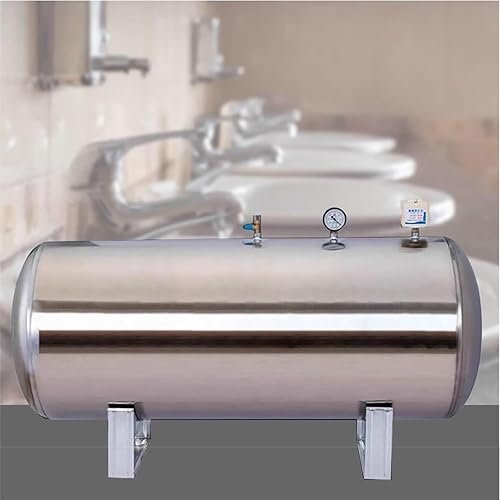
200L (52.8 Gal) Stainless Steel Tank
This is our top pick for most mid-sized homes. The 200-liter capacity provides a solid drawdown for a family of four. The 304 stainless steel construction is the real selling point—it’s a set-it-and-forget-it solution that won’t rust out in 5 years like cheaper steel tanks. The price is shockingly low for stainless, which makes us a bit cautious, but the specs are right. Just be sure to verify the bladder quality upon arrival.
- Excellent value for stainless steel
- Good capacity for most homes
- Horizontal mount saves space
- Brand is less known, long-term durability unproven
- Actual water storage is ~50-70% of listed capacity
1″ Pressure Tank Tee Installation Kit
If you’re replacing a tank or installing a new one, buy this kit. Seriously. It includes the critical 30/50 pressure switch, a brass tee, gauge, and relief valve. Trying to source these parts separately is a hassle. The brass construction is durable and lead-free. It fits tanks up to 16″ in diameter, which covers most residential models. Having the right switch is non-negotiable for proper pressure management.
- All-in-one kit saves time and guesswork
- Includes reliable 30/50 pressure switch
- High-quality, lead-free brass
- You may not need all components if just replacing a switch
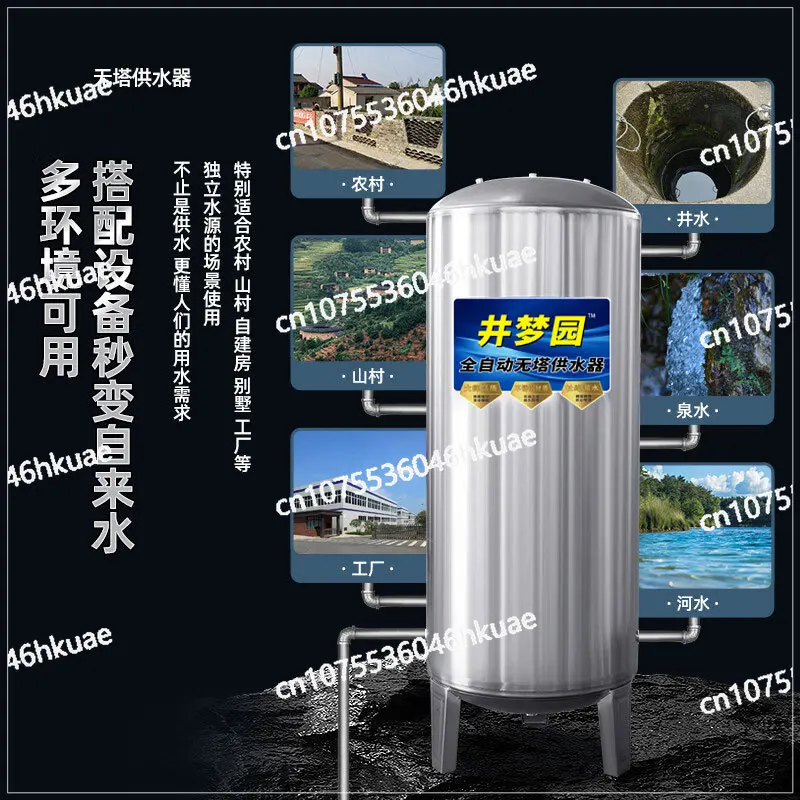
AliExpress Budget Pick: Stainless Steel Automatic Tank
For the budget-conscious or a DIY project, this stainless tank from AliExpress is an option. The “towerless” design is compact. However, buyer beware: shipping times will be long, and warranty claims could be a nightmare. We’d use this for a cabin or workshop, not a primary residence. The price is right, but factor in the potential hassle. You might pair it with a simple clearly filtered water pitcher for drinking water if you’re unsure of the tank’s internal coating quality.
- Very low cost for stainless
- Compact, all-in-one design
- Long shipping, uncertain support
- Quality control can be inconsistent
Frequently Asked Questions
- What should the pressure be on my well tank?
- The air pre-charge should be 2 PSI below your pressure switch’s cut-in setting. For a standard 30/50 switch, that’s 28 PSI. For a 40/60 switch, set it to 38 PSI. Always check with the tank empty and pump off.
- How do I know if my well tank pressure is low?
- Signs include the pump short cycling (turning on/off rapidly), water spurting from faucets, or consistently low water pressure. The definitive test is to drain the tank completely and check the air pressure with a tire gauge at the Schrader valve.
- Can I add air to my pressure tank?
- Yes. Use a bicycle pump or air compressor. First, turn off the pump and drain all water from the tank. Then, add air through the Schrader valve until you reach the correct pre-charge pressure (e.g., 28 PSI). Do not over-inflate.
- What happens if the pressure tank is set too high?
- If the pre-charge is too high (above the cut-in pressure), the tank will hold less water. The bladder won’t fully compress, reducing drawdown. You’ll have fewer gallons of water between pump cycles, causing the pump to run more frequently than necessary.
- How long should a well pressure tank last?
- A quality bladder tank should last 15-25 years. Cheaper tanks or those with poor water quality (high iron, acidity) may fail in 7-10 years. The first thing to fail is usually the internal bladder.
- Do I need a professional to replace a pressure tank?
- It’s a manageable DIY project if you’re comfortable with basic plumbing: turning off power, draining lines, and using wrenches. The hardest part is often the weight. However, if you’re unsure, hiring a well professional is always a safe bet.
Final Thoughts
Well tank pressure isn’t glamorous. It doesn’t have fancy filters or digital displays. But it is the unsung hero of your well water system. Getting it right protects your pump, saves energy, and gives you consistent, reliable water pressure. It’s a 10-minute check once a year that can save you thousands in premature equipment failure.
For most homeowners, we recommend the 200L Stainless Steel Tank for its balance of capacity, durability, and value. Pair it with the Brass Tee Kit for a clean, reliable installation. Don’t wait for your pump to start short-cycling. Check your tank pressure today. Your pump—and your morning shower—will thank you.
