



So you’re curious about how a well works. Maybe you’re buying a rural property, or your city water bill has you dreaming of independence. Either way, you’ve come to the right place. We’ve spent years testing water treatment systems and talking to well drillers. This guide breaks down the entire process, from the hole in the ground to the water in your glass.
- The basic anatomy of a well and its key parts.
- How water gets from the aquifer to your faucet, step by step.
- The real benefits and the honest drawbacks you must know.
- A simple guide to different well types and which is right for you.
What Is a Water Well?
Think of a well as a specialized straw reaching down into the earth’s hidden water reserves. These reserves are called aquifers—underground layers of porous rock, sand, or gravel that hold and transmit groundwater. A well is simply a conduit drilled or dug deep enough to intersect with a water-bearing aquifer.
It’s not just a hole, though. A properly constructed well has several critical components that protect your water supply. A steel or PVC casing lines the borehole to prevent the walls from collapsing. At the bottom, a well screen acts as a filter, keeping sand and large debris out while letting water flow in. This setup is the foundation of your private water utility.
Unlike municipal water, you’re the one in charge. That means freedom from monthly bills and control over your water quality. But it also means responsibility. You manage the testing, the treatment, and the maintenance. In our experience, the homeowners who understand this trade-off are the ones who are happiest with their wells long-term.
How a Well Water System Works
The process is more straightforward than you might think. It’s a closed-loop system powered by a few key pieces of equipment working in sequence. Let’s walk through the journey of a single water molecule from the ground to your tap.
1. Accessing the Aquifer
First, a drilling rig bores a hole into the ground until it hits a productive aquifer. The depth can vary wildly—from 30 feet in some coastal areas to over 500 feet in rocky regions. The driller installs the permanent casing as they go, which is the structural backbone of the well.
2. The Pump Does the Heavy Lifting
Once the well is built, a pump is needed to move water upward. Most modern residential wells use a submersible pump—a cylindrical unit sealed in a watertight housing that sits down in the well, often 20+ feet below the static water level. When a faucet in your house opens, a pressure switch tells this pump to kick on.
3. Pressurizing Your Home’s System
The pump pushes water up through a pipe and into your home’s plumbing. But it doesn’t go directly to your faucets. First, it enters a pressure tank. This tank contains a rubber bladder filled with air. As water fills the tank, it compresses the air bladder. This stored pressure is what allows water to flow instantly and with force when you turn on a tap, without the pump having to run constantly.
4. Treatment Before the Tap
Raw well water often needs treatment. As the water travels from the pressure tank to your fixtures, it can pass through various filtration systems. This is where a whole house sediment filter often comes in first, catching any fine particles. Further treatment might involve softeners, carbon filters, or UV lights, depending on your water test results.
Key Benefits of Owning a Well
No Monthly Water Bill: This is the big one. After the initial installation and electricity to run the pump, your water is essentially free. Over decades, this represents significant savings.
Water Independence: You’re not subject to municipal water restrictions, boil advisories, or main breaks. Your supply is your own. During a city-wide outage, your well keeps working.
Often Better Mineral Content: Well water naturally filters through rock, picking up minerals like calcium and magnesium. Many people prefer the taste. For plants and gardens, it’s often superior to treated city water.
Foundation for Custom Treatment: You have complete control to build the exact drinking water treatment system you need, targeting the specific contaminants in your water, rather than a one-size-fits-all city approach.
Potential Drawbacks & Maintenance
Upfront Cost: Drilling a new well is expensive. Depending on depth and geology, you could spend $5,000 to $15,000+. That’s before any treatment systems.
Power Dependency: No electricity means no water (unless you have a backup generator or a hand pump). A strong storm that knocks out power can leave you high and dry.
Potential Contaminants: Well water is vulnerable to surface contaminants like bacteria from septic systems, agricultural runoff (nitrates, pesticides), or naturally occurring elements like arsenic, radon, or iron. This is why testing is critical. If iron is an issue, you’ll need a dedicated iron removal water filter.
Common Types of Wells
Dug Wells
The oldest type. These are wide holes (2-3 feet across) excavated by hand or backhoe, lined with stones, bricks, or tile. They’re shallow (usually less than 30 feet) and highly vulnerable to surface contamination. Rarely built today.
Driven (Sand Point) Wells
A length of pipe with a pointed well screen is literally driven into the ground. They’re inexpensive and work in areas with soft soil and shallow water tables (under 50 feet). But they have low yield and are still prone to contamination.
Drilled Wells
The modern standard. A drilling rig creates a narrow borehole (4-8 inches in diameter) that can reach hundreds of feet deep. Lined with steel or PVC casing, they tap into deep, well-protected aquifers. This is what you’ll get for a new home installation. For a constant, clean supply, many homeowners pair their drilled well with an inline water filter system at point-of-use for extra peace of mind.
Well System Buying Guide
You’re not “buying” a well off a shelf—you’re commissioning a custom installation. But you make key choices. Here’s what matters.
1. Hire a Licensed, Reputable Driller. This is not a DIY project. Get multiple quotes, check references, and verify they pull proper permits. Ask about their warranty on workmanship.
2. Understand Your Water Table & Geology. Your driller will know the local conditions. This determines depth, yield (gallons per minute), and potential contaminants.
3. Size Your Pump and Tank Correctly. Your pump’s horsepower and your pressure tank’s size (in gallons) must match your household’s peak demand. A plumber or well contractor can calculate this. An undersized system means weak showers when the dishwasher runs.
4. Plan for Treatment from Day One. Budget for a full water test after drilling. Based on those results, you might need a sediment filter, softener, or UV system. Even for the kitchen sink, a high-quality best water filter pitcher can be a great final barrier for drinking water.
5. Consider a Backup Plan. A small generator or a hand pump attachment for emergencies is wise insurance.
Related Resources & Top Picks
While the core well system is a custom job, understanding the broader context of water equipment is helpful. Here are some resources we’ve found valuable for deep dives into specific topics, along with some practical tools.
| Resource | Description | Price | Links |
|---|---|---|---|
 |
How well does it work? : review of criminal justice evaluation, 1978 A foundational academic text on program evaluation methodology. While not about water, its frameworks for assessing system effectiveness are surprisingly applicable to evaluating your own well’s performance over time. |
$77 | Buy on Amazon Buy on eBay |
 |
How Does it Work?: Explore machines and objects An excellent visual guide for anyone curious about the mechanics behind everyday objects. It builds the foundational mindset for understanding how your pump, pressure tank, and plumbing interact. |
$12 | Buy on Amazon Buy on eBay |
 |
Consumer-directed health care: how well does it work? Explores the pros and cons of taking control of complex systems—a philosophy directly relevant to managing your own water supply and treatment. |
$49 | Buy on Amazon Buy on eBay |
Practical Tools for the Well Owner
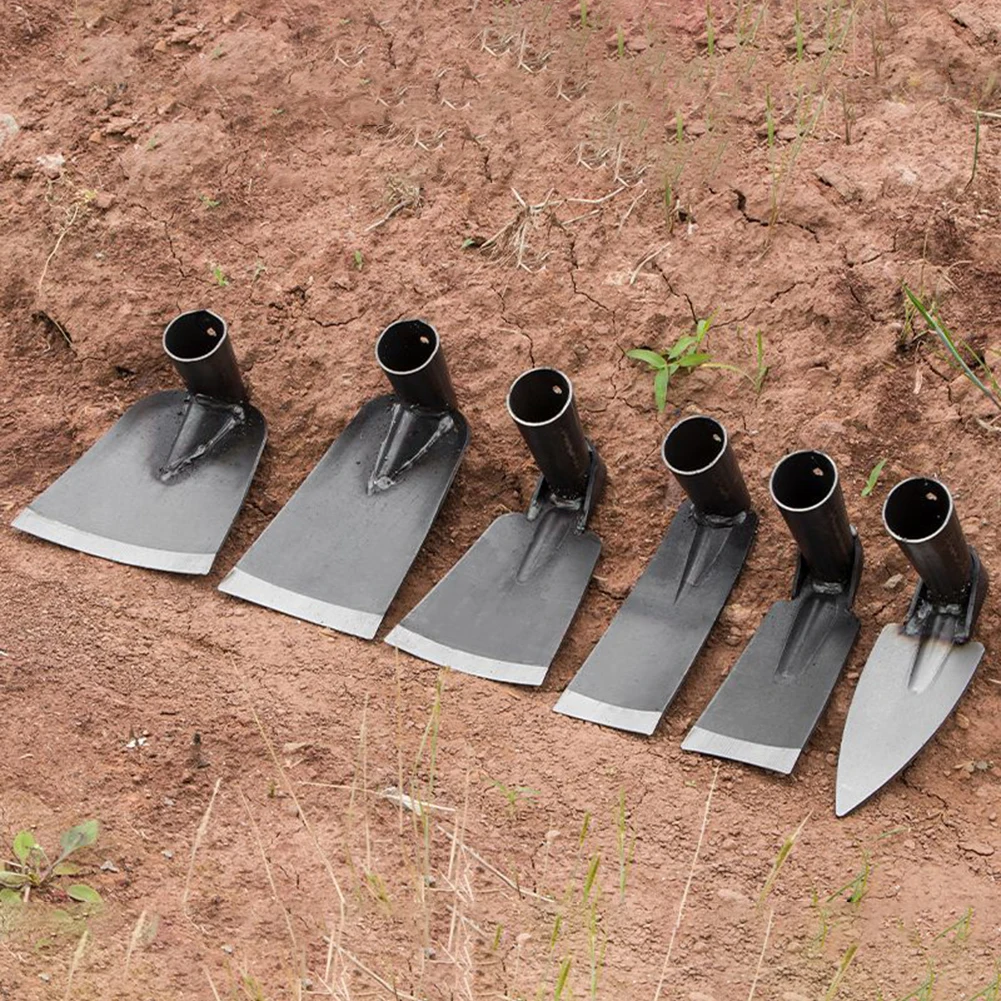
Every well owner needs to maintain the area around their wellhead—keeping it clear of vegetation, debris, and standing water. This simple, durable hoe is perfect for that quick upkeep. It’s not glamorous, but neither is digging around your well cap to check for cracks. A basic tool that does its job well.
- Extremely affordable
- Sturdy steel construction
- Essential for wellhead maintenance
- Very basic tool
- Not for heavy digging

For more serious landscaping or grading work around your well to ensure proper drainage away from the casing, this hardened steel hoe is a step up. Rust-resistant and built to last, it’s a worthwhile investment for the proactive well owner who handles their own property maintenance.
- Heavy-duty, all-steel construction
- Rust-resistant
- Good for tougher soil
- Higher price for a hoe
- May be overkill for simple tasks
Frequently Asked Questions
- How deep does a well need to be?
- It depends entirely on your local geology and water table. In some coastal areas, 50 feet might suffice. In mountainous or arid regions, you may need to drill 500+ feet. Your licensed well driller will know the typical depths in your area based on geological surveys.
- How often should I test my well water?
- Test annually for bacteria and nitrates at a minimum. Test more frequently (every 6 months) if you have pregnant women or infants in the home, or if you notice a change in taste, odor, or color. Also test after any flooding, major repairs, or if a nearby land use changes (like a new gas station).
- What is the lifespan of a well?
- A properly constructed drilled well can last 30-50 years or more. The submersible pump typically lasts 10-15 years. The pressure tank bladder can fail in 5-10 years. The well itself—the casing and screen—should last for decades if the water chemistry isn’t aggressively corrosive.
- Can a well run dry?
- Yes. During severe droughts, the water table can drop below your pump’s intake. Over-pumping a well with a low yield (fewer gallons per minute) can also exhaust the aquifer locally. A well driller can sometimes deepen an existing well to reach a lower aquifer.
- Is well water safe to drink?
- It can be, but you must test it. Well water is not municipally treated. It may contain bacteria, viruses, chemicals, or heavy metals depending on your local conditions. With proper testing and appropriate treatment (like UV light for bacteria, or an iron removal water filter), it can be exceptionally safe and pure.
- What’s the difference between a jet pump and a submersible pump?
- A jet pump sits above ground and uses suction to pull water up. It’s used for shallow wells (under 25 feet). A submersible pump is down in the well and pushes water to the surface. It’s more efficient, quieter, and the standard for any well deeper than 25 feet.
Final Thoughts
A well is a fantastic investment in independence and long-term savings. It puts you in complete control of your water supply. But that control comes with real responsibility. The system is brilliantly simple in concept—a pump, a tank, a pipe—but its reliability depends entirely on proper installation and your commitment to maintenance.
Our strong recommendation? Partner with a reputable local driller, test your water annually without fail, and build your treatment system based on those lab results. Don’t guess. And keep the area around your wellhead clean and accessible. Do those things, and you’ll have a reliable water source for decades. It’s one of the best upgrades a rural property can have.
