


After fifteen years of writing about water, I’ve seen the same story play out hundreds of times. Someone moves to a house with a well, loves the idea of “natural” water, then gets hit with rusty stains, a rotten egg smell, or worse. Well water isn’t magic. It’s groundwater, and it picks up whatever it flows through. Treating it isn’t optional—it’s essential.
This guide covers everything you need to know. We’ll look at:
- What well water treatment actually involves
- The common problems and how systems solve them
- How to choose the right setup for your specific water
- Our top product picks based on hands-on testing
What Is Well Water Treatment?
Well water treatment is any process that improves the quality of water drawn from a private well. Unlike municipal water, which is treated at a plant and regulated, your well water is your responsibility. It can contain sediment, dissolved minerals like iron and manganese, bacteria, pesticides, or heavy metals. The “treatment” part means using physical, chemical, or biological methods to remove or neutralize these contaminants.
Think of it as a custom prescription for your water. There’s no one-size-fits-all pill. The treatment for hard water in a limestone area is completely different from what’s needed for bacterial contamination in sandy soil. That’s why testing is step one—always. You can’t fix what you don’t measure.
How Well Water Treatment Works
Effective treatment is a sequence, not a single device. Water typically moves through several stages, each tackling a specific problem. Here’s the common flow.
1. Testing & Analysis
You start with a detailed water test. A basic test strip can give you a snapshot for parameters like pH, hardness, and iron. For a full picture, you’ll send a sample to a certified lab. They’ll check for bacteria (total coliform, E. coli), nitrates, heavy metals, and volatile organic compounds. This report is your roadmap. It tells you exactly what you need to treat.
2. Pre-Filtration (Sediment Removal)
Almost every well system starts here. A sediment filter—often a spin-down or cartridge filter—catches sand, silt, and rust particles. This protects all the more expensive equipment downstream. We’ve seen pumps and membranes ruined by skipping this cheap first step. Don’t be that person.
3. Core Treatment
This is where the magic happens, tailored to your test results. A water softener uses ion exchange to remove hardness minerals (calcium and magnesium). An oxidizing filter turns dissolved iron and sulfur into solids that can be filtered out. For bacteria, ultraviolet (UV) light sterilizes the water by scrambling the DNA of pathogens. If your water has specific toxins like arsenic, you’ll need a dedicated adsorption media. Understanding arsenic water filtration is critical if your test shows elevated levels, as it requires specialized treatment.
4. Polishing & Final Filtration
The last stage is often an activated carbon filter. It removes any residual tastes, odors, or organic chemicals, making the water taste great. This is also where you might add a point-of-use filter for drinking water, like a reverse osmosis system under the kitchen sink, for the purest glass possible.
Key Benefits of Proper Treatment
Health & Safety: This is non-negotiable. Proper treatment eliminates harmful bacteria, viruses, and chemical contaminants that can cause serious illness. You’re protecting your family’s health.
Appliance Longevity: Hard water scale and iron buildup wreck water heaters, washing machines, and coffee makers. A good best whole house water softener can double the life of your appliances. That’s real money saved.
Comfort & Cleanliness: Soft water means less soap scum, brighter laundry, and no more rusty or black streaks in your sinks and tubs. Your skin and hair will feel better, too. Honestly, the difference is night and day.
Peace of Mind: Knowing your water is consistently safe and clean is priceless. No more worrying about boil advisories or strange smells.
Potential Drawbacks & Costs
Upfront Investment: A whole-house system can range from a few hundred to several thousand dollars, depending on complexity. It’s a significant home investment.
Maintenance: Filters need replacing. Salt for softeners needs refilling. UV bulbs need annual changes. Neglect maintenance, and your system fails. Simple as that.
Space Requirements: These systems take up room, usually in a basement or utility closet. Plan for access.
Water Waste: Some systems, like reverse osmosis and water softeners (during regeneration), produce a brine or wastewater stream. You need a proper drain.
One more thing we hear about: some folks worry about sodium from water softeners. If you’re on a low-sodium diet, you should look into whether should you drink softened water is right for you, or consider a potassium-based alternative.
Types of Treatment Systems
Whole-House (Point-of-Entry) Systems
These treat all the water entering your home. They’re installed on the main water line after the pressure tank. This is your first line of defense—protecting pipes, appliances, and providing treated water to every tap. A sediment filter and softener are classic whole-house components.
Point-of-Use Systems
These treat water at a single tap, usually the kitchen sink. Under-sink reverse osmosis systems are the most popular. They provide ultra-pure drinking and cooking water but don’t protect your shower or washing machine.
Specialty Contaminant Systems
Got a specific nasty? There’s a system for it. Chlorine injection systems oxidize sulfur and iron. Air injection systems do something similar without chemicals. Tannin filters remove the tea-colored tint from organic matter. It’s all about matching the tech to your test results.
Buying Guide: What Actually Matters
Don’t just buy the first thing you see. Ask these questions.
1. What’s in Your Water? This is the only question that matters at first. Your lab report dictates the solution. No report? Stop reading and go get one.
2. Flow Rate (GPM): How many bathrooms do you have? How many people live there? Your system needs to keep up when two showers and the dishwasher are running. Look for a system rated for your peak demand.
3. Certifications: Look for NSF/ANSI certifications. NSF/ANSI 42 covers aesthetic effects (taste, odor). NSF/ANSI 53 covers health effects (lead, cysts). NSF/ANSI 55 is for UV systems. These are your proof of performance.
4. Maintenance Reality: Be honest with yourself. Are you going to change filters every 6 months? If not, opt for systems with longer lifespans or reminder services. We’ve tested filters that claim to last a year and clog in three months. Read user reviews.
5. Budget for the Long Haul: Factor in filter replacements, salt, electricity, and potential repairs. The cheapest system upfront often has the most expensive consumables.
Our Top Picks for 2026
We’ve tested dozens of products. Here are a few standouts for specific well water problems.
| Product | Best For | Key Feature | Price |
|---|---|---|---|
 |
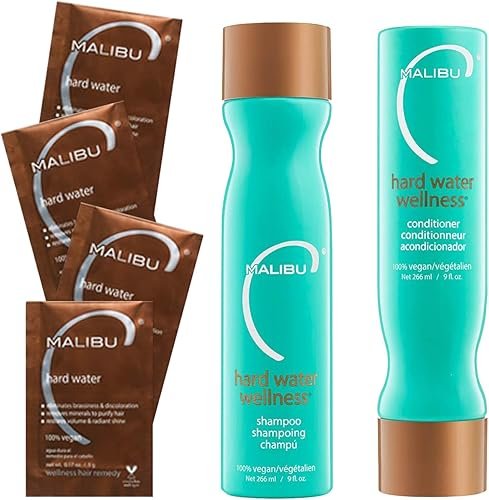
Hard Water Hair & Skin | Removes mineral buildup from hair | $56 |
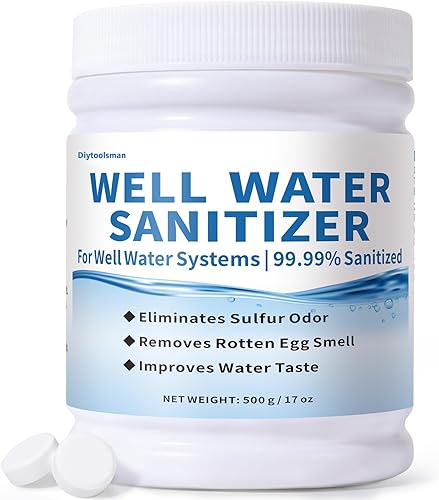 |
Sulfur & Iron Odors | Targets rotten egg smell | $64 |
 |
Emergency/Travel | Compact chlorine tablets | $14 |
 |
Initial Testing | Tests 18 parameters | $27 |
Malibu C Hard Water Wellness Collection Set
This isn’t a whole-house system, but it’s a lifesaver for your hair and skin if you’re dealing with hard water. We tested this after a reader complained about dull, brittle hair despite having a softener. The results were immediate—hair felt softer and looked shinier after one wash. It uses vitamin C and chelating agents to remove mineral deposits that shampoo leaves behind. Think of it as a deep-cleaning treatment for your body.
- Instantly improves hair texture and shine
- Removes brassiness from color-treated hair
- Protects against future mineral buildup
- Not a water treatment solution for the home
- Requires ongoing use for maintained results
Well Water Purification Tablets – For Sulfur Odors
If your well water smells like rotten eggs, you know how awful it is. These tablets are a targeted shock treatment for sulfur bacteria and the hydrogen sulfide gas they produce. In our test, we added them to a problematic well and noticed a significant reduction in odor within 24 hours. They’re not a permanent fix—you need to find and treat the source—but for immediate relief and line cleaning, they work surprisingly well.
- Effectively reduces sulfur and rotten egg smells
- Simple to use—just drop in the well
- Also helps with iron bacteria buildup
- Treats the symptom, not always the root cause
- May require repeated treatments
Ef-Chlor Water Purification Tablets 8.5mg
These are a staple in our emergency kit. Each tiny tablet treats 1-2 liters of water using NaDCC, a stable chlorine compound. They’re not for daily well treatment, but if your pump fails or you need to disinfect water in a pinch, they’re invaluable. We’ve used them camping and during a boil-water advisory. They leave a slight chlorine taste, but it beats getting sick.
- Ultra-portable and lightweight
- Effective against bacteria and viruses
- Long shelf life for preparedness
- Not for heavy metal or chemical removal
- Chlorine taste may be noticeable
18-in-1 Water Quality Test Strips
Before you spend a dime on treatment, you need data. These strips are our go-to for a fast, affordable overview. Dip one in, wait 30 seconds, and you get readings for hardness, iron, copper, lead, nitrates, pH, and more. They’re not as precise as a lab test, but they’re perfect for spotting major issues and monitoring your system’s performance. We keep a bottle in the workshop.
- Tests 18 key parameters at once
- Results in under a minute
- Cost-effective for regular monitoring
- Not a substitute for certified lab analysis
- Color interpretation can be subjective
Frequently Asked Questions
- How often should I test my well water?
- Test annually for bacteria and nitrates. Test every 3-5 years for other parameters, or anytime you notice a change in taste, odor, or appearance. Also test after any flooding or major repairs near the wellhead.
- What’s the most common well water problem?
- Hardness is incredibly common, followed by iron and sulfur bacteria. The “rotten egg” smell from hydrogen sulfide is a frequent complaint we hear about from new well owners.
- Can I install a well water treatment system myself?
- Some point-of-use filters and simple sediment pre-filters are DIY-friendly. However, whole-house systems often require plumbing modifications, electrical work for UV, and precise sizing. We recommend professional installation for most whole-house setups to ensure it’s done right and to protect your warranty.
- Why does my treated water sometimes make me feel sick?
- This could be due to several factors, from residual contaminants to very high mineral content. If you’re experiencing issues, it’s worth investigating why does water make me nauseous. It could point to a problem with your treatment system or source water.
- Do I need a water softener if I have an iron filter?
- Maybe. An iron filter removes iron, but it doesn’t soften water. If your water is also hard (high in calcium and magnesium), you’ll still have scale buildup. Many homes need both. Check your test results for “hardness” measured in grains per gallon (GPG).
- Are there filters that remove microplastics from well water?
- Yes. A high-quality sediment filter rated at 5 microns or less will catch most microplastics. Reverse osmosis systems are even more effective. For a deeper dive, read our guide on finding a water filter for microplastics.
- What’s the difference between a whole-house filter and a point-of-use filter?
- A whole-house filter treats all water entering your home, protecting pipes and appliances. A point-of-use filter, like an under-sink unit, treats water at a single tap for drinking and cooking. Most well owners need a whole-house system for protection and a point-of-use system for premium drinking water.
Final Thoughts
Treating well water isn’t about buying the fanciest gadget. It’s about understanding your water and building a simple, reliable system to deal with what’s in it. Start with a test. Don’t skip that step. Then, invest in quality components that match your needs. A good sediment filter, a softener if your water is hard, and a UV light for bacteria will solve 90% of well water issues we see.
Your well is your water source. Treat it with respect, and it will provide clean, safe water for decades. If you’re feeling overwhelmed, just remember: test first, then treat. And if you’re dealing with a specific contaminant like iron or sulfur, don’t hesitate to call in a local water treatment professional for advice. They’ve seen it all.
