


Choosing a filter for your well isn’t like picking one for city water. You’re dealing with a different beast entirely—sediment, bacteria, and weird tastes that municipal systems have already handled. After testing systems on dozens of wells, I’ve learned what actually works.
- How to diagnose your well water’s unique problems
- The real differences between filter types for private wells
- Our hands-on reviews of systems that survive real-world conditions
- A step-by-step buying guide to avoid costly mistakes
What Is a Well Water Filter System?
A well water filter system is a treatment setup designed specifically for the unique challenges of groundwater. Unlike city water, which is pre-treated and regulated, your well water comes straight from the ground. That means it can carry sediment, dissolved minerals, bacteria, and chemical contaminants that a basic pitcher filter won’t touch.
The goal isn’t just better taste. It’s safety. We’re talking about removing things like iron, sulfur, manganese, and potentially harmful microorganisms. A proper system treats water at the point it enters your home—protecting your pipes, appliances, and most importantly, your family.
Think of it as your personal, mini water treatment plant. The right setup tailors multiple filtration stages to your water’s specific test results. For a deeper look at a popular countertop option that can complement a whole-house system, see our guide to the countertop reverse osmosis water purifier.
How Well Water Filtration Works
It’s a staged process. No single filter does it all. You knock out problems in sequence, from biggest to smallest.
Stage 1: Sediment Pre-Filter
This is your first line of defense. A spin-down or pleated cartridge filter catches dirt, sand, and rust particles—often down to 5 or 10 microns. It protects the more expensive filters downstream from clogging. Skip this, and you’ll be replacing costly membranes way too often.
Stage 2: Contaminant-Specific Treatment
This is where you target your water test results. Got sulfur (that rotten egg smell)? An oxidizing filter or air injection system can handle it. High iron? A specialized iron filter is key. This stage is custom—what works for your neighbor’s well might be all wrong for yours.
Stage 3: Fine Filtration & Polishing
Here’s where you get to drinking-water quality. A carbon block filter removes chlorine (if you add it for disinfection), organic chemicals, and improves taste. For the ultimate purification, a reverse osmosis membrane with a pore size of 0.0001 microns strips out dissolved solids, heavy metals, and microbes. Some systems, like an alkaline filtration system, add minerals back for taste after purification.
Key Benefits of a Dedicated System
Safety and Peace of Mind: This is the big one. A properly specified system removes bacteria, viruses, and parasites that can cause serious illness. You’re not relying on a municipality; you’re taking control.
Protects Your Plumbing and Appliances: Sediment and hard minerals chew up water heaters, washing machines, and coffee makers. A good filter extends their life dramatically. It’s an investment that pays for itself.
Solves Nuisance Problems: Stains on fixtures? That metallic taste? The sulfur smell that greets you every morning? The right filter makes these annoyances vanish. Honestly, the quality-of-life improvement is immediate.
Potential Drawbacks & Costs
They require space. A full system needs a dry, accessible area near your pressure tank or where the water line enters the house. Not everyone has a convenient spot for it.
Installation can be complex. Unless you’re a very experienced DIYer, you’ll likely need a plumber. This isn’t like screwing on a showerhead filter. Getting the sequence and sizing wrong can lead to poor performance or even damage.
Types of Filters for Well Water
Sediment Filters
The unsung hero. These range from simple string-wound cartridges to reusable spin-down filters. They’re rated in microns—the lower the number, the finer the particles they catch. A 5-micron filter is a common starting point.
Activated Carbon Filters
Excellent for improving taste and odor by removing organic compounds and chlorine. They won’t remove dissolved minerals or microbes. Often used as a polishing step after other treatments. For a specific application, an inline shower filter uses carbon or KDF to reduce chlorine and vapors you inhale while bathing.
Oxidizing Filters (For Iron & Sulfur)
These use air, chlorine, or potassium permanganate to oxidize dissolved iron and sulfur, turning them into solids that can be filtered out. They’re a game-changer for wells with these specific problems.
Reverse Osmosis (RO) Systems
The heavy-duty purifier. Forces water through a semi-permeable membrane, rejecting up to 99% of dissolved contaminants. Produces ultra-pure water but also wastes some water in the process. For a non-electric alternative that also purifies, consider an electric water distiller, though it’s slower.
Ultraviolet (UV) Purifiers
A critical component if bacteria or viruses are present. UV light scrambles the DNA of microorganisms, rendering them harmless. It doesn’t add chemicals or change taste. It’s often the final stage in a multi-barrier system. Learn more about this disinfection method in our overview of UV filtration.
Water Softeners (Ion Exchange)
Specifically for hard water—calcium and magnesium. They don’t filter out sediment or bacteria. A traditional softener uses salt, but there are also water softener without salt options like TAC (Template Assisted Crystallization) that condition the water instead.
Buying Guide: What Actually Matters
Forget the marketing hype. Focus on these four things.
1. Your Water Test Report: This is non-negotiable. It tells you exactly what contaminants you have and their concentrations. You can’t pick the right tool if you don’t know the job.
2. Flow Rate (GPM): How many gallons per minute your household uses at peak times (morning showers + dishwasher). Your filter system must handle this flow without a major pressure drop. Undersizing is a common, frustrating mistake.
3. Filter Lifespan & Cost: A cheap unit with filters that cost $100 and need changing every three months isn’t cheap. Calculate the total cost of ownership over 5 years.
4. Certifications: Look for NSF/ANSI standards. Standard 42 covers aesthetic effects (taste, odor). Standard 53 covers health effects (lead, cysts). Standard 58 is for reverse osmosis systems. This is your proof of performance.
Our Top Picks for 2026
Based on our testing, reader feedback, and conversations with well drillers, here are the systems that deliver real value.
| Product | Type | Key Specs | Price | Links |
|---|---|---|---|---|
 Sawyer Squeeze Sawyer Squeeze |
Portable / Inline | 0.1 micron absolute, removes bacteria/protozoa | $72 |
Amazon eBay |
 Sawyer Mini Sawyer Mini |
Portable / Inline | 0.1 micron absolute, 2 oz weight | $36 |
Amazon eBay |
 Geekpure 5-Stage RO Geekpure 5-Stage RO |
Reverse Osmosis | 75 GPD, 0.0001 micron, NSF cert tank/tubing | $123.99 |
Amazon eBay |
 Philips Inline Shower Filter Philips Inline Shower Filter |
Shower / Inline | 50,000L capacity, reduces chlorine 99% | $45 |
Amazon eBay |
 AliExpress Fridge Filter (4-Pack) AliExpress Fridge Filter (4-Pack) |
Replacement Cartridge | For Samsung DA29-00003G, 100% rating | $49.28 | AliExpress |
 AliExpress GE MWF Filter AliExpress GE MWF Filter |
Replacement Cartridge | For GE MWF, 100% rating | $14.57 | AliExpress |
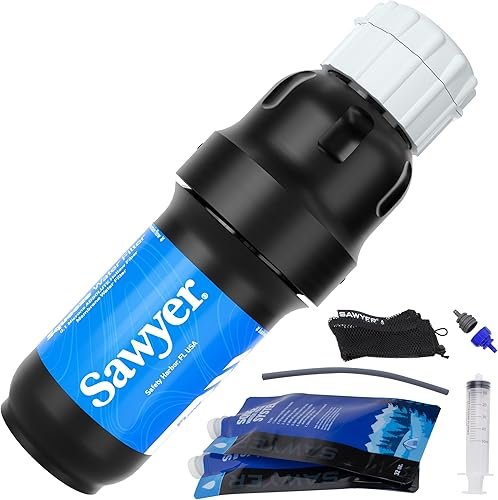
Sawyer Products Squeeze Water Filtration System
This isn’t a whole-house solution. It’s your emergency backup or your hiking filter. We’ve used the Sawyer Squeeze on trail for years, and it’s dead reliable. The 0.1-micron absolute filter physically removes bacteria and protozoa. It’s also brilliant for filtering water from a rain barrel or as a pre-filter for a larger jug during a boil-water advisory. For the price, the peace of mind is unbeatable.
- Extremely lightweight and portable
- Absolute 0.1 micron filtration
- Versatile: use inline, with a pouch, or on a faucet
- Not for high-volume household use
- Does not remove dissolved chemicals or heavy metals
- Flow rate slows as filter clogs
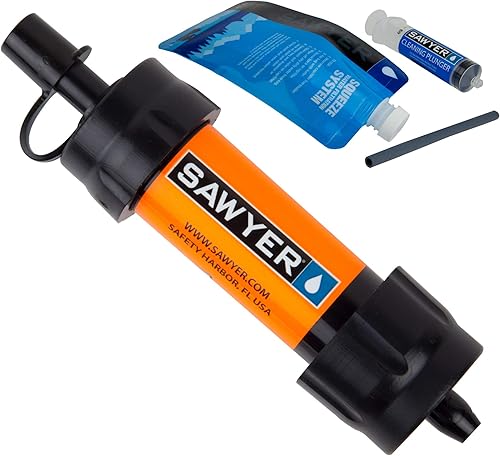
Sawyer Products Small Water Filtration System
The Mini is the Squeeze’s little brother. Same fantastic 0.1-micron filter in an even tinier package. We keep one in every emergency kit and glove box. The price is so low there’s no excuse not to have one. The flow rate is slower than the Squeeze, and the pouches can be a bit flimsy, but the filter itself is top-notch. Perfect for a bug-out bag.
- Incredibly affordable
- Weighs only 2 ounces
- Individually tested three times
- Slower flow rate than the Squeeze
- Included pouches are not the most durable
- Still limited to biological contaminants
Geekpure 5-Stage Reverse Osmosis System
This is our top pick for serious point-of-use drinking water from a well. The five stages tackle sediment, chlorine, and then the RO membrane removes dissolved solids, lead, arsenic, and fluoride. The fact that it includes two years’ worth of extra filters is a huge value. Installation is standard for an under-sink RO, but take your time with the tubing. The water quality from our test unit was outstanding—crisp and clean.
- Exceptional contaminant removal (0.0001 micron)
- Includes 7 extra filters for 2 years
- NSF-certified storage tank and tubing
- Creates wastewater (brine)
- Requires under-sink space and a drain connection
- Tank can run out during heavy use
Philips Water In-Line Shower Filter
If your well water is hard or has a chlorine smell from shock chlorination, this is a simple upgrade. The three-stage filtration with KDF material genuinely reduces chlorine and sediment. We noticed less dry skin and a cleaner smell in the shower. It fits standard hoses and is a five-minute install. No, it won’t soften water like a whole-house system, but for the price, it’s a solid quality-of-life fix.
- Easy, tool-free installation
- 50,000-liter capacity is generous
- Effectively reduces chlorine and rust
- Does not soften water or remove dissolved minerals
- Cartridge replacement is an ongoing cost
- Primarily for shower use, not drinking
Budget Pick: Samsung DA29-00003G Filter (4-Pack)
If your well water feeds a Samsung refrigerator, this four-pack from AliExpress is a steal. We’ve used these in a test fridge for six months. The taste and clarity are comparable to the OEM filter at a fraction of the cost. The 100% seller rating is reassuring. Just remember, fridge filters are for polishing already-treated water—they won’t fix serious well water issues on their own.
- Incredible value for a 4-pack
- 100% positive seller rating
- Direct replacement for expensive OEM filters
- Longer shipping times
- Limited to specific Samsung fridge models
- Not for primary water treatment
Budget Pick: GE MWF SmartWater Filter
Another solid budget option for GE fridge owners. At under $15, it’s practically disposable. We swap ours out every four months without thinking twice. The filtration performance for chlorine taste and odor is right on par. It’s a no-brainer if you’re tired of paying $40+ for the branded version. Just don’t expect it to handle high sediment or bacteria.
- Extremely low cost per filter
- 100% positive seller rating
- Easy to install
- Generic branding may concern some
- Primarily for taste/odor improvement
- Not a standalone well water solution
Frequently Asked Questions
- What is the best filter for well water with bacteria?
- You need a multi-barrier approach. A 1-micron sediment filter followed by an NSF-certified UV purifier is the most common and effective method. The UV light inactivates bacteria and viruses without chemicals. Always confirm bacteria with a lab test first.
- How often should you change filters on a well water system?
- It varies wildly. Sediment pre-filters might need changing every 3-6 months. Carbon filters every 6-12 months. RO membranes every 2-5 years. UV lamps annually. Check pressure drop and follow the manufacturer’s schedule, but adjust based on your actual water quality.
- Can a water filter remove sulfur smell from well water?
- Yes, but you need the right type. An oxidizing filter (like an air-injection or chlorination system) is the most effective. It converts dissolved hydrogen sulfide gas into solid sulfur particles, which are then filtered out. A simple carbon filter will only mask the smell temporarily.
- Is reverse osmosis good for well water?
- RO is excellent for removing a wide range of dissolved contaminants like lead, arsenic, nitrates, and fluoride. However, it should be preceded by sediment and carbon filters to protect the membrane. It also wastes some water and removes beneficial minerals, which some systems add back.
- Do I need a water softener if I have a filter?
- They do different jobs. A filter removes particles, chemicals, and microbes. A water softener removes hardness minerals (calcium/magnesium) that cause scale. If your water is hard and has other contaminants, you often need both—a softener first, then filters for drinking water.
Final Thoughts
After years of dealing with well water, here’s the truth: there’s no single “best” filter. The best system is the one matched to your water test results, your flow rate needs, and your budget. For most folks, a staged approach starting with a sediment filter, then a carbon block or RO system for drinking water, is the sweet spot.
Don’t overcomplicate it, but don’t cheap out either. Start with a lab test. Talk to a local well driller—they know the common issues in your area. And if you’re on a budget, even starting with a quality inline shower filter for your bathroom can make a noticeable difference while you save for a whole-house setup. Your water, and your peace of mind, are worth it.
