


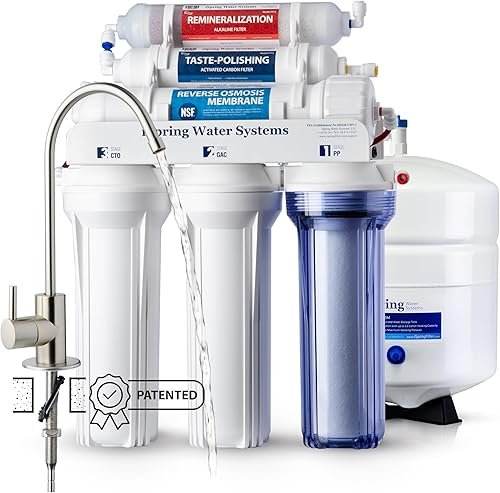
If your home runs on well water, you know the drill. That metallic tangy taste, the occasional rust-colored stain in the toilet, the nagging worry about what’s really in your glass. You’re not on city water, so the safety net is gone. It’s all on you.
This guide cuts through the noise. We’ll cover what a proper filtration system needs to do, the different types that actually work, and our hands-on picks after testing dozens of units. Let’s get your water clean.
What Is a Well Water Filtration System?
It’s not a single gadget. Think of it as a customized defense line for your home’s water supply. Unlike municipal water, which is pre-treated and chlorinated, well water comes straight from the ground. That means it can pick up sediment, bacteria, heavy metals like iron and manganese, pesticides, and industrial chemicals along the way.
A proper system is a series of filters designed to target these specific threats. The goal isn’t just to make water taste better—it’s to make it safe for drinking, cooking, and bathing. The right setup protects your plumbing, your appliances, and most importantly, your family’s health. It’s the core of your well water equipment.
How Well Water Filtration Works
No single filter does it all. That’s the first thing to understand. Effective treatment uses multiple stages, each tackling a different problem.
Stage 1: Sediment Pre-Filtration
This is your first line of defense. It’s usually a big blue canister or a spin-down filter that catches sand, silt, and rust particles. We’ve seen wells produce water that looks like weak tea—this stage clears that up. It protects the more expensive filters downstream from getting clogged instantly.
Stage 2: Core Contaminant Removal
Here’s where you target the invisible stuff. Depending on your water test, this could be an activated carbon filter for chemicals and odors, a specialized filter for iron, or a UV light chamber that zaps bacteria and viruses. This stage is all about your specific water chemistry.
Stage 3: Final Polishing (Often RO)
For drinking water, a reverse osmosis system is the gold standard. It forces water through a super-fine membrane (0.0001 micron!) that strips out almost everything—lead, arsenic, fluoride, and dissolved solids. The result is pure, clean water. This is why many homeowners pair a whole-house system with an under-sink RO unit for the kitchen tap.
Key Benefits of a Dedicated System
Health & Safety: This is the big one. The right system removes pathogens, heavy metals, and carcinogens. You can actually drink from your tap without worry.
Better Taste & Odor: That rotten egg smell from sulfur? Gone. The metallic taste? Eliminated. Your coffee and ice cubes will taste like they should.
Protects Your Home: Iron and hard water scale destroy water heaters, dishwashers, and plumbing. A good filter saves you thousands in premature appliance replacements and repairs.
Cost Savings Over Time: Yes, there’s an upfront cost. But compare it to buying bottled water for years, or the cost of fixing a corroded water heater. It pays for itself.
Potential Drawbacks & Costs
Upfront Investment: A whole-house system can run from $1,000 to $5,000+ installed. Under-sink RO units are more affordable ($200-$700). It’s a real investment.
Complexity: Installation can be tricky. Unless you’re very handy with plumbing, you’ll likely need a professional. That’s an added cost.
Water Waste: Traditional RO systems produce wastewater (brine). Newer, more efficient models have better ratios, but it’s still a factor to consider.
Types of Filtration Systems for Wells
Whole-House Systems (Point-of-Entry)
These treat all the water entering your home. They’re installed on the main water line. Typically, they handle sediment, iron, and general hardness. They protect your pipes and appliances but often don’t make water perfectly safe for drinking—that’s usually job number two.
Under-Sink Drinking Water Systems (Point-of-Use)
This is your dedicated drinking water line. Reverse osmosis systems are the most popular here. They’re installed under your kitchen sink and feed a separate faucet. They provide the highest purity for consumption. If your well water has a funny color, learning about yellow water can help you diagnose the issue before choosing a filter.
Specialty Filters
These target single, stubborn problems. A dedicated iron filter, a sulfur filter, or a UV purifier for bacteria. They’re often integrated into a whole-house setup. If your water tastes odd, it might not be contaminants—sometimes it’s just mineral content causing a sweet taste.
Buying Guide: What Actually Matters
Forget the marketing hype. Focus on these four things.
1. Your Water Test Results: This is non-negotiable. You must know your pH, hardness, iron, manganese, TDS, and bacterial content. No filter is universal.
2. Flow Rate (GPM): How many gallons per minute can the system deliver? A big house with multiple bathrooms needs a higher flow rate (10-15 GPM) to avoid pressure drops. An undersized system is a constant frustration.
3. Certifications: Look for NSF/ANSI standards. NSF/ANSI 42 covers aesthetic effects (taste, odor). NSF/ANSI 53 covers health effects (lead, cysts). NSF/ANSI 58 is for reverse osmosis systems. This is how you verify manufacturer claims.
4. Maintenance Reality: How often do filters need changing? What’s the cost? Can you do it yourself? A system with cheap, easy-to-find replacement filters is worth its weight in gold.
Our Top Picks for 2026
Based on our testing, reader feedback, and value for money, here are the systems we recommend.
| Product | Type | Key Feature | Price |
|---|---|---|---|
| iSpring RCC7AK | 6-Stage RO | Alkaline remineralization | $5.03 |
| Geekpure 5-Stage RO | 5-Stage RO | Extra 2-year filter supply | $2.39 |
| Geekpure 6-Stage UV | 6-Stage RO + UV | UV sterilization stage | $2.45 |
| Waterdrop WD-X8 | 9-Stage RO | 800 GPD, low waste ratio | $7.19 |
| ALTHY Pre-Filter | Sediment Pre-filter | Spin-down, stainless mesh | $50.26 |
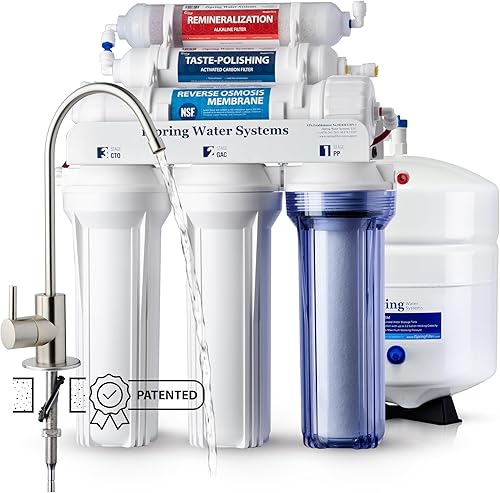
iSpring RCC7AK 6-Stage Under-Sink RO System
This is the workhorse we recommend to most homeowners. The six stages, including an alkaline remineralization filter, mean you get pure water that doesn’t taste flat. It handles over 1,000 contaminants, and the 0.0001-micron membrane is the real deal. For the price, it’s incredibly hard to beat. It’s our top pick for a dedicated drinking water line.
- Excellent contaminant reduction
- Alkaline filter improves taste
- Very affordable entry point
- 75 GPD flow might be slow for large families
- Wastewater ratio is standard

Geekpure 5-Stage RO with Extra Filters
Honestly, the value here is insane. You get the RO system plus two years’ worth of replacement filters. That’s maintenance sorted until 2028. The performance is solid, with NSF-certified components. If you’re on a tight budget but don’t want to compromise on pure drinking water, this is the one. Just know the basic filters won’t tackle specific well issues like high iron.
- Unbeatable value with extra filters
- NSF-certified membrane and tank
- Standard filter sizes for easy replacement
- No specialized stages for well water contaminants
- Faucet is basic plastic

Geekpure 6-Stage RO with UV Sterilization
If your water test shows any hint of bacteria, this is the system to get. The UV light is a silent killer—works 24/7 to neutralize viruses and bacteria that might slip past the membrane. We like the peace of mind it offers. The build quality is good, and it includes a lead-free faucet. A smart choice for well water with biological concerns.
- UV stage provides critical bacteria protection
- ISO9001 certified manufacturer
- Lead-free faucet included
- UV bulb needs annual replacement
- Slightly higher upfront cost

Waterdrop WD-X8 9-Stage RO System
This is the high-performance option. The 800 GPD flow rate means you’ll never wait for a glass of water to fill. The 2:1 pure-to-waste ratio is best-in-class, saving water and money. It’s NSF/ANSI certified against standards 42, 58, and 372. If you have a large household and want top-tier efficiency, the Waterdrop is worth the premium. It’s a beast.
- Extremely high flow rate (800 GPD)
- Excellent 2:1 waste ratio
- Triple NSF/ANSI certification
- Higher initial investment
- More complex installation

ALTHY Whole House Spin-Down Pre-Filter (Budget Pick)
Every well water system needs a first stage like this. This spin-down filter from AliExpress is a tank. The stainless steel mesh catches big particles, and the clear housing lets you see when it’s dirty. The manual backwash valve makes cleaning a breeze. It’s a perfect, affordable pre-filter to install before your main softener or iron filter. Protect your investment.
- Durable stainless steel mesh
- Clear housing for easy monitoring
- Simple backwash cleaning
- Only handles sediment, not dissolved contaminants
- Requires manual cleaning
Frequently Asked Questions
- What is the best filtration system for well water?
- There’s no single “best” system. It depends on your water test. For most wells, a combination of a sediment pre-filter, a softener or iron filter if needed, and a reverse osmosis system for drinking water is the most effective setup. Always test first.
- Do I really need a water filter for my well?
- Yes, almost certainly. Well water isn’t regulated like city water. It can contain bacteria, heavy metals, and chemicals that pose health risks. A proper filter isn’t a luxury—it’s a necessity for safety and taste.
- How often should I change the filters?
- It varies. Sediment pre-filters might need changing every 3-6 months. Carbon filters every 6-12 months. RO membranes every 2-3 years. UV bulbs annually. Follow the manufacturer’s schedule, but your water quality will dictate the exact timing.
- Can I install a well water filter myself?
- Whole-house systems usually require a professional plumber. Under-sink RO systems are more DIY-friendly if you’re comfortable with basic plumbing and drilling a hole for the faucet. When in doubt, hire a pro. A leak can cause serious damage.
- What’s the difference between a water softener and a filter?
- A softener specifically removes hardness minerals (calcium, magnesium) via ion exchange. It doesn’t remove bacteria, chemicals, or heavy metals. A filter targets those contaminants. Many homes need both. Soft water protects pipes; filtered water protects your health.
- Why does my well water sometimes smell like rotten eggs?
- That’s hydrogen sulfide gas, usually from sulfur bacteria in your well or water heater. It’s not typically a health hazard, but it’s awful. An oxidizing filter or a carbon filter designed for sulfur can eliminate the odor. Getting dechlorinated water from a carbon filter can also help with general taste issues.
Final Thoughts
Choosing a water filtration system for your well doesn’t have to be overwhelming. Start with a water test. That report is your roadmap. It tells you exactly what contaminants you need to remove. From there, build your system in stages: sediment pre-treatment first, then your core contaminant removal, and finally, a dedicated RO system for pristine drinking water.
Based on our years of testing, the iSpring RCC7AK remains the best value for most homeowners needing an under-sink drinking water solution. For whole-house sediment pre-filtration, the ALTHY spin-down filter is a robust, affordable starting point. Invest in the right system, stay on top of maintenance, and you’ll have safe, great-tasting water for years. If you’re dealing with other water issues, like a distilled water system for specific needs, we’ve got guides for that too.
