


Your well is your personal water utility. No monthly bills, no municipal oversight. That freedom comes with a big responsibility: keeping your family safe. After testing systems for over a decade and talking to hundreds of well owners, I’ve seen the same preventable problems pop up. This guide cuts through the noise.
- What contaminants actually threaten your well
- The simple testing routine that catches problems early
- How to choose a filter that matches your specific water
- The gear that makes maintenance easier
What Is Well Water Safety?
Well water safety is the practice of protecting your private water supply from contamination. It’s not a one-time thing you do when you drill the well. It’s an ongoing commitment to testing, treating, and maintaining your system. Unlike city water, there’s no utility company running tests at the plant. You are the plant manager.
The risks come from two places: the ground itself and human activity nearby. Natural geology can leach arsenic, radon, or manganese into your aquifer. A neighbor’s failing septic tank, agricultural runoff, or old lead pipes can introduce bacteria and chemicals. The water might taste fine and look crystal clear. That tells you nothing about what’s dissolved in it.
How Well Water Safety Works
Think of it as a three-part cycle: Test, Treat, Maintain. Skip a step, and the system fails. We’ve seen homeowners spend thousands on a fancy filter only to skip annual testing and miss a new contaminant.
1. The Testing Regimen
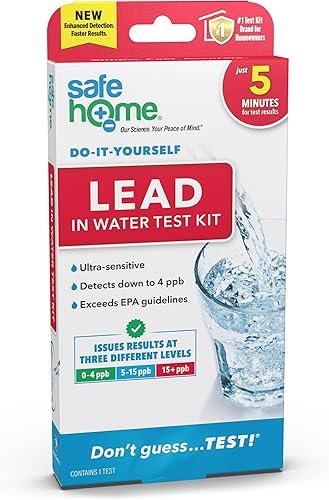
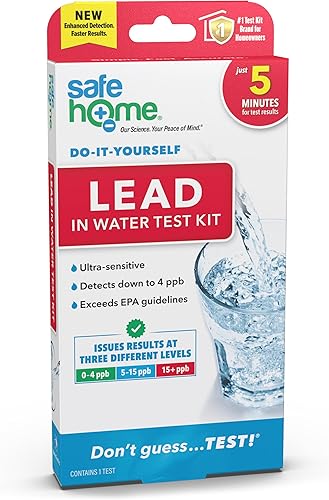
Test your water at least once a year. Do it more often if you notice changes in taste, odor, or color, or after heavy rains or nearby construction. A basic test kit from a lab will check for coliform bacteria, nitrates, pH, and total dissolved solids. That’s your baseline. If you’re in an agricultural area, add pesticides. In mining regions, test for heavy metals. A good DIY lead test kit like the Safe Home DIY Lead Test is a smart, inexpensive check between full lab panels.
2. Matching Treatment to Contaminants
This is where most people go wrong. They buy a filter based on a friend’s recommendation or a slick ad. Wrong approach. You treat the water based on your test results. A sediment filter does nothing for dissolved lead. A UV light kills bacteria but won’t touch nitrates. You might need a combination: a sediment pre-filter, a carbon block for chemicals, and a UV sterilizer for microbes. For a deeper dive on choosing the right components, our guide to water filtration equipment breaks down the whole stack.
3. System Maintenance
Filters clog. UV bulbs lose intensity. Softener resin beds foul. Mark your calendar. Change sediment filters every 3-6 months. Replace carbon blocks annually. Swap UV bulbs per the manufacturer’s schedule—usually every 12 months. Shock chlorinate your well every few years, or anytime the well is opened for repairs, after flooding, or if a test comes back positive for bacteria.
Key Benefits of a Safety-First Approach
Total control. You decide what goes into your water and what gets removed. No surprise chemical changes from a municipal plant.
Long-term savings. Preventing a contamination incident is far cheaper than dealing with medical bills, plumbing corrosion, or a ruined well. A $50 annual test is the best insurance you can buy.
Peace of mind. Knowing your water is clean lets you enjoy the independence of well life without the nagging worry. That’s priceless.
Potential Drawbacks & Common Mistakes
Cost can add up. A full treatment system (sediment, carbon, UV, maybe softener) is a significant investment. But it’s a one-time cost for the hardware, with reasonable maintenance expenses. The real drawback is the time and attention required. You can’t just set it and forget it like a city water account.
Types of Treatment Systems
Sediment Filters
Your first line of defense. These catch dirt, sand, rust, and other particles. They’re rated in microns—a 5-micron filter catches finer stuff than a 20-micron. Always install this before other filters to protect them from clogging.
Activated Carbon Filters
The workhorse for taste, odor, and chemical removal. They adsorb chlorine, pesticides, herbicides, and volatile organic compounds (VOCs). A quality carbon block filter can also reduce lead and mercury. If you’re exploring advanced options, an alkaline water filter system often uses carbon as a core stage, adding minerals back after purification.
Reverse Osmosis (RO)
The heavy artillery. An RO membrane removes 95-99% of total dissolved solids, including salts, heavy metals, and nitrates. It’s the most thorough point-of-use system. The downside? It wastes some water (the reject stream) and strips out beneficial minerals, which is why some people pair it with a remineralizing stage.
Ultraviolet (UV) Purifiers
UV light scrambles the DNA of bacteria, viruses, and parasites, rendering them harmless. It’s fantastic for microbiological safety. But it does nothing for chemical contaminants. The water must be clear (low sediment) for the light to penetrate effectively. Always use it after sediment and carbon filtration.
Water Softeners & Conditioners
These address hardness—calcium and magnesium that cause scale. A traditional softener uses salt. A filter soft water conditioner might use template-assisted crystallization (TAC) to condition without salt. Hard water isn’t a safety issue, but it wrecks appliances and plumbing.
Buying Guide: What Actually Matters
Forget brand hype. Focus on these criteria:
Certifications: Look for NSF/ANSI standards. Standard 42 covers aesthetic effects (taste, odor). Standard 53 covers health effects (lead, cysts, VOCs). Standard 55 is for UV systems. Standard 58 is for RO. No certification? Be very skeptical.
Flow Rate (GPM): Make sure the system can handle your household’s peak demand. A 0.5 GPM undersink RO is fine for drinking water. A whole-house system needs 5-10+ GPM.
Filter Life & Cost: Calculate the annual cost of replacement filters, not just the upfront price. A cheap system with expensive, proprietary filters is a bad deal.
Your Test Results: This is the only thing that should dictate your purchase. Don’t buy an RO system if your only issue is sediment. Don’t buy a softener if you have bacteria.
Top Picks & Gear
Based on our testing and reader feedback, here’s gear that solves real problems for well owners.
| Product | Best For | Key Feature | Price |
|---|---|---|---|
 |
Peace of mind testing | Good Housekeeping Seal, 10-min results | $45 |
 |
DIY bacteria screening | 10 tests, visual agar plates | $58 |
 |
Shallow well installation | Heavy-duty, 60-mesh screen | $1.26 |
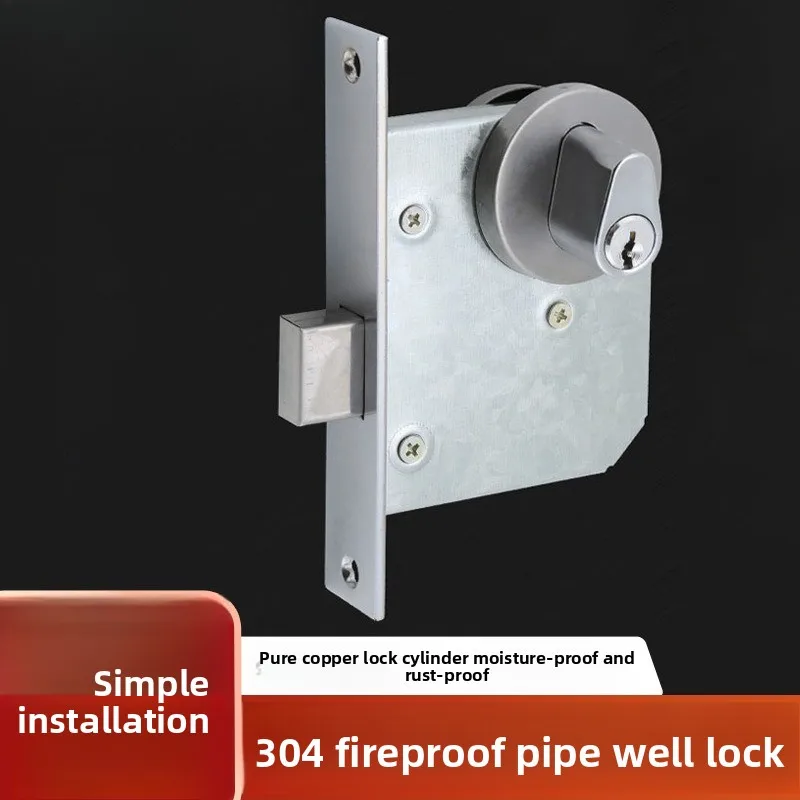 |
Wellhead security | Fire/rust proof, cylinder lock | $9.71 |
Safe Home® DIY LEAD in Drinking Water Test Kit
This is the kit we recommend for quick checks between lab tests. It’s not a substitute for a full panel, but if you’re worried about old pipes or just want a fast answer on lead, it’s reliable. The Good Housekeeping Seal isn’t just marketing—it means their methods have been independently verified. We found the instructions clear, and the 10-minute wait time is accurate.
- Patented, trusted technology
- Fast, easy-to-read results
- Tests against EPA action level
- Only tests for lead, not a full panel
- Single-use, so cost can add up for frequent testing
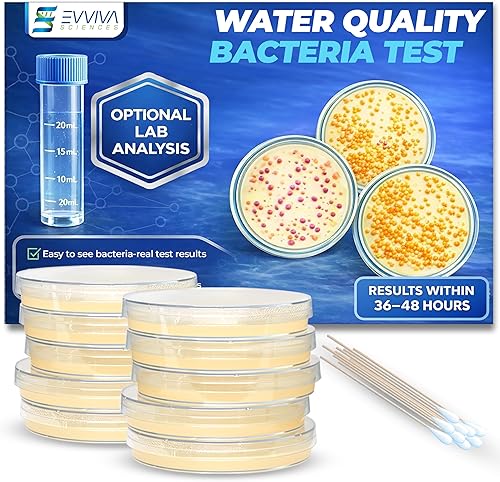
Evviva Sciences Water Bacteria Test Kit
For the hands-on homeowner, this is a great way to monitor bacteria levels yourself. You get 10 agar plates, so you can test multiple sources—kitchen tap, bathroom, hose bib—or retest after shocking your well. Seeing the colonies grow is oddly satisfying and gives you a visual baseline. It’s not a certified lab result, but it’s a fantastic early warning system.
- Visual, tangible results in 48 hours
- Tests for total bacteria, coliforms, and E. coli
- Includes everything you need
- Requires patience and careful technique
- Optional lab report costs extra
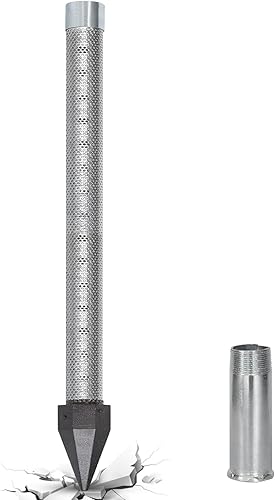
Well Drive Point, 1-1/4″ Stainless Steel Kit
If you’re in an area with soft soil and a high water table, a drive point well can be a weekend project. This kit is solid—the stainless steel resists corrosion, and the 60-mesh screen keeps out fine sand. We like that it includes a drive cap to protect the pipe while you hammer it down. It’s a budget-friendly way to get water to a garden or cabin.
- Heavy-duty, corrosion-resistant materials
- Beginner-friendly installation
- Effective 60-mesh screen
- Only for shallow wells in soft soil
- Manufacturer warranty may not apply
Fire Pipe Well Lock with Cylinder
This sounds basic, but a locked well cap is a critical safety layer. It prevents tampering, keeps critters out, and stops kids from dropping things down the well. This one is fireproof and rustproof, which is a nice bonus. For under ten bucks, it’s a no-brainer addition to your wellhead. Some jurisdictions require locking caps—check your local codes.
- Universal fit for most well caps
- Fire and rust proof
- Very affordable
- Basic construction
- You’ll need to supply your own padlock
Well Water Safety FAQ
- How often should I test my well water?
- Test annually for bacteria, nitrates, pH, and total dissolved solids. Test more frequently if you notice changes, after heavy rains, or if there’s nearby construction or agricultural activity. Always use a state-certated lab for your annual check.
- What’s the most dangerous contaminant in well water?
- Bacteria (like E. coli) poses the most immediate health risk, causing acute illness. Long-term, nitrates are especially dangerous for infants (blue baby syndrome), and arsenic or radon increase cancer risk over decades. Prioritize testing for these.
- Can I install a well water filter system myself?
- Point-of-use systems (like an undersink RO) are very DIY-friendly. Whole-house systems involving plumbing cuts are best left to a professional, especially if you’re not comfortable with soldering or working with main water lines. A bad install can cause leaks and water damage.
- Do I need a water softener for well water?
- Only if your water is hard. Test for hardness (measured in GPG or mg/L). Hard water causes scale buildup in pipes and appliances, makes soap less effective, and leaves spots on dishes. A softener protects your plumbing investment.
- What does shock chlorination do?
- It kills bacteria, biofilm, and other microbes living in your well, pipes, and pressure tank. You mix a strong chlorine solution, circulate it through the entire system, let it sit, then flush it out. It’s the standard fix after a positive bacteria test or well repair.
- How do I know what size filter I need?
- Match the filter to your contaminants and your flow rate. For a whole-house system, calculate your peak demand (how many showers, faucets, and appliances might run at once). For a drinking water filter, a lower flow rate (0.5-1 GPM) is fine. Always check the filter’s NSF certification for the specific contaminant reduction claims.
Final Thoughts
Well water safety isn’t complicated, but it demands attention. Test your water. Understand what you’re dealing with. Buy the right tool for the job—not the most expensive one, but the one that fixes your specific problem. The gear we’ve recommended here is based on years of hands-on use and feedback from our community of well owners.
You took on the responsibility of a private well for independence and quality. Don’t undermine that by neglecting the safety basics. A simple annual test and a properly maintained filter system are all it takes to enjoy clean, safe water for decades. For more specialized filtration needs, like treating rainwater harvested on your property, our guide to water filtration for rainwater is a great next read.
