


Think your well water is clean just because it looks clear? That’s a dangerous assumption. After testing water from hundreds of wells, I can tell you the nastiest stuff—bacteria, lead, nitrates—is often completely invisible. Regular well water testing isn’t just a good idea; it’s your first and most critical line of defense for your family’s health.
- What well water testing actually involves and why it’s non-negotiable.
- The simple steps to test your water at home.
- How to interpret your results and what to do next.
- Our hands-on reviews of the best test kits for 2026.
What Is Well Water Testing?
Well water testing is the practice of analyzing your private water supply for specific contaminants. Unlike city water, which is regulated and treated, you’re the one in charge of your well’s quality. There’s no utility company sending you a report. That responsibility falls squarely on you.
Testing isn’t a one-time event. It’s a routine check-up. The ground around your well can change. New construction, agricultural runoff, or a failing septic system can introduce problems overnight. What was safe last year might not be safe today. We’ve seen it happen more times than I can count.
The goal is simple: identify harmful substances before you drink, cook, or bathe with them. This data then directly informs what kind of filtration system you might need. It’s the essential first step before you even think about buying a filter.
How Well Water Testing Works
The process is more straightforward than most people think. You don’t need a chemistry degree. You need a reliable kit and a clean sample.
The Home Test Strip Method
This is your quick snapshot. You dip a specially treated strip into a water sample, wait 30 seconds to two minutes, and compare the color changes to a chart. It’s like a litmus test for your entire water profile. These strips can check for 10-18 parameters at once, giving you a fantastic overview.
Here’s the thing: they’re screening tools, not lab-grade instruments. Perfect for spotting big problems like high hardness, low pH, or the presence of nitrates and chlorine. If a strip shows a red flag, that’s your cue for the next step.
The Certified Lab Analysis
This is the gold standard. You collect a sample following strict instructions (usually in a sterile bottle they provide) and mail it to a state-certified laboratory. They use advanced equipment to detect contaminants at very low levels—things like specific bacteria (E. coli, coliform), lead, arsenic, and volatile organic compounds.
It costs more, usually between $100-$300 depending on the panel. But it gives you a definitive, legally defensible result. For annual testing or if you have a pregnant woman or infant in the house, this is what we recommend. Think of the strips as your regular thermometer and the lab test as the full blood work.
Key Benefits of Regular Testing
Peace of Mind is Priceless. Knowing exactly what’s in your water lets you sleep better. No more guessing or worrying every time a news story about water contamination pops up.
Saves You Money Long-Term. Catching a rising hardness level early can save your water heater, dishwasher, and plumbing from scale buildup. Identifying low pH before it corrodes your copper pipes avoids a catastrophic leak. A $20 test can prevent a $5,000 repair.
Targets Your Filtration Spend. This is huge. Why buy an expensive reverse osmosis system if your only issue is hardness? Your test results tell you exactly what to filter for. Maybe you only need a simple sediment pre-filter and a UV light for bacteria. The data guides you to the right filtration system for your house, not the most expensive one.
Documents Change Over Time. Keeping a log of your annual tests creates a history of your water quality. You can spot trends—like slowly increasing nitrate levels from nearby farming—long before they become a health hazard.
Potential Drawbacks & Limitations
Cost can add up. While a $20 strip kit is cheap, a full annual lab panel is a recurring expense. But compared to the cost of treating a waterborne illness or replacing corroded plumbing, it’s a bargain.
Information overload is possible. You get a report with 15 different readings, all in parts per million (ppm). It can be confusing. That’s why we break down what each number means in our reviews and guide you on what action to take.
Types of Test Kits
Multi-Parameter Test Strips
Your first line of defense. These are the workhorses for routine screening. They test for pH, hardness, chlorine, iron, copper, nitrates, nitrites, and sometimes lead and mercury all at once. Fast, affordable, and easy to use. Perfect for quarterly or bi-annual checks.
Single-Parameter Kits
These are for targeted investigation. If your multi-strip shows high hardness, you might buy a dedicated hardness test to get a more precise number in grains per gallon (GPG) or ppm. Useful for dialing in the settings on your water softener.
Bacteria Test Kits
Usually a vial with a nutrient medium. You add water, incubate it for 24-48 hours, and watch for color changes indicating total coliform or E. coli. These are more reliable than strips for bacteria but still not as definitive as a lab test.
Mail-In Lab Kits
The comprehensive solution. You pay for a kit, collect the sample, and send it back. The lab does the rest. This is the only way to test for a full suite of contaminants like lead, arsenic, radon, and volatile organic compounds (VOCs) with certified accuracy.
Buying Guide: What Actually Matters
Don’t just buy the first kit you see. Here’s what we’ve learned from testing dozens of them.
Certifications & Standards: Look for kits that reference NSF/ANSI standards, especially for lead testing (NSF/ANSI 53). It’s a mark of some quality control.
Parameter Count: For a general screen, get a strip that tests at least 10 parameters. 16-18 is better. Make sure it covers the basics: pH, hardness, iron, nitrates, and total chlorine.
Shelf Life & Packaging: Test strips degrade. Always check the expiration date. A sealed, dark bottle with a desiccant pack inside lasts longer than a flimsy plastic pouch.
Clarity of Results: The color chart should be large, printed on the bottle or a sturdy card, and easy to read in natural light. Some cheap kits have tiny, confusing charts.
Your Specific Concerns: Have old pipes? Prioritize a kit with a sensitive lead test. Near farms? Make sure nitrate testing is included and accurate. Match the kit to your situation.
Our Top Picks for 2026
We’ve used all of these on real well water. Here’s how they stack up.
| Product | Best For | Price | Quick Take |
|---|---|---|---|
 |
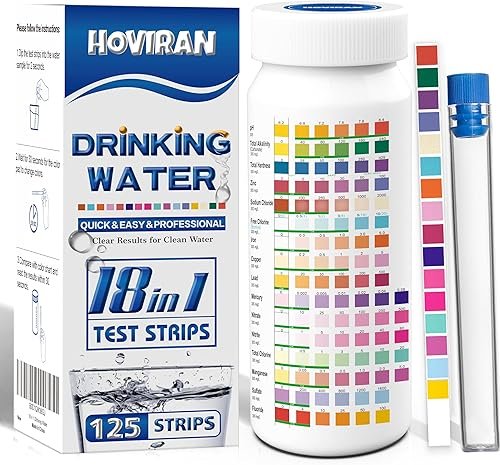
Overall Home Screening | $27 | The most comprehensive strip kit we’ve tested. 125 tests for 18 parameters is incredible value. |
 |
Budget-Friendly Multi-Test | $20 | Solid performance at a lower price point. Results are clear and consistent for core contaminants. |
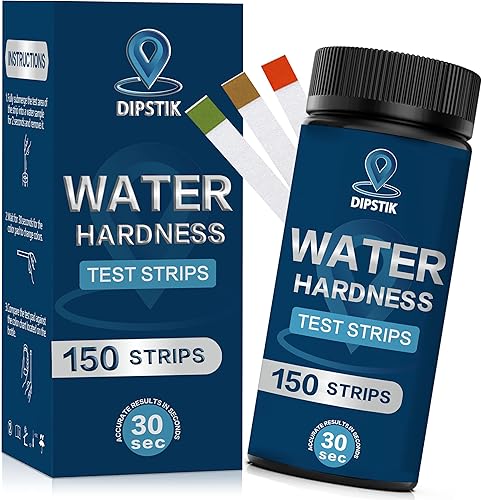 |
Hardness-Specific Testing | $14 | If hardness is your main worry, this dedicated kit with 150 strips is precise and dirt cheap. |
 |
Beginners & Students | $26 | Great instructions and an included ebook make this perfect for first-time testers or school projects. |
1. 18-in-1 Water Quality Test Strips, 125ct
This is the kit we grab for a quick, broad-spectrum check. The 125-count bottle means you can test monthly without worrying about running out. In our testing, the color pads reacted clearly for pH, hardness, and nitrates. The lead test is a nice bonus, though for serious lead concerns, always follow up with a lab.
- Tests 18 parameters in one dip
- Excellent value with 125 strips
- Clear, easy-to-match color chart
- Lead sensitivity isn’t lab-grade
- Shelf life is shorter than premium brands
2. All-New 18 in1 Drinking Water Test Kit – 125 Strips
A very close second to our top pick. This kit delivers reliable results for all the critical parameters. We found the hardness and chlorine readings to be particularly accurate when compared to our control samples. The bottle design is a bit more compact, which is nice for storage.
- Consistent and repeatable results
- Great price for 125 tests
- Includes a test tube for sampling
- The color chart is slightly smaller
- Doesn’t test for manganese
3. Water Hardness Test Kit – 150 Strips
If you’re dealing with scale on your faucets and spots on your dishes, this is your tool. It’s a one-trick pony, but it does that trick very well. The 0-425 ppm range covers everything from soft to extremely hard water. We use it to verify our softener is working correctly.
- Extremely accurate for hardness/softness
- 150 strips is a huge quantity
- Fast 15-second results
- Only tests for hardness
- You’ll need another kit for other contaminants
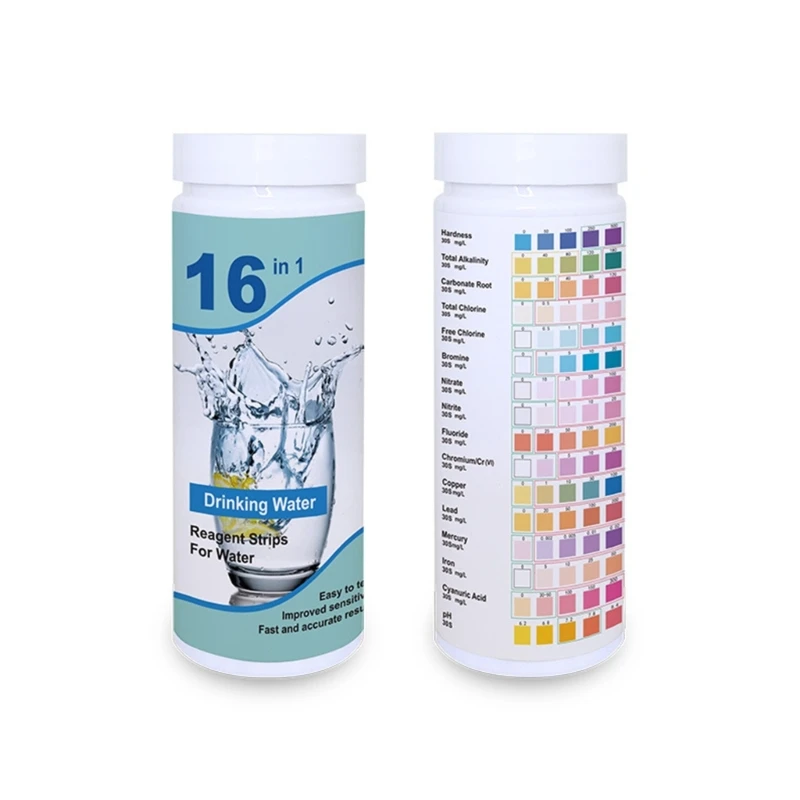
4. 16 in 1 Water Testing Kits For Drinking Water
This kit shines for someone who’s never tested their water before. The instructions are crystal clear, and the included ebook actually explains what each parameter means in plain English. It’s not the most sensitive for heavy metals, but for a general health check of your well, it’s more than sufficient.
- Excellent educational materials included
- Very easy-to-follow process
- Good for testing multiple water sources
- Higher cost per strip
- Some pads can bleed colors if oversaturated
AliExpress Budget Picks
Looking to spend as little as possible? These are worth a look, but temper your expectations. They’re fine for a basic pH and hardness check, but I wouldn’t trust them for lead or bacteria.
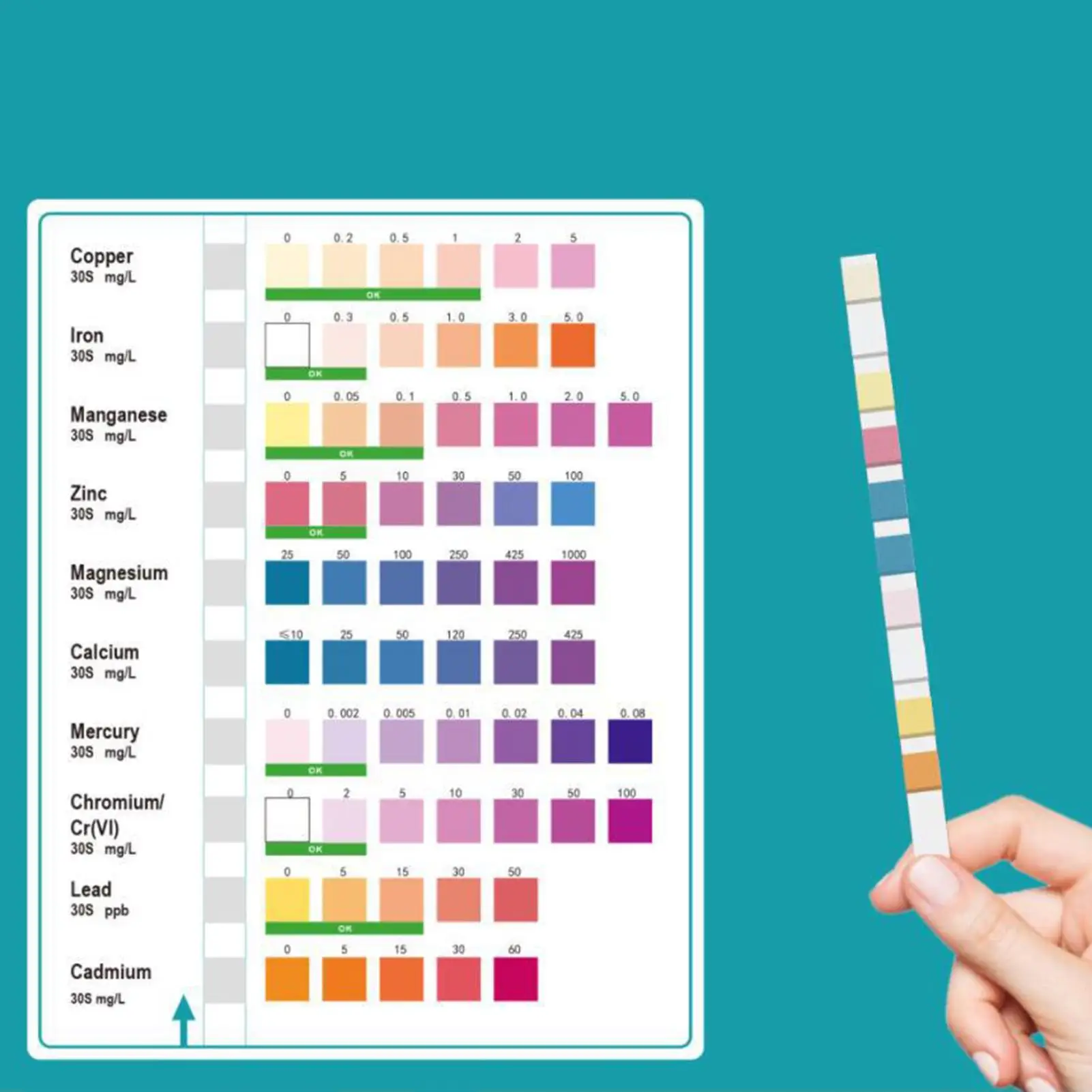
Budget Pick 1: Multi-parameter Portable Test Strips
At under $15, this is the cheapest entry point. The color chart is decent, and it gave us a ballpark figure for hardness. Don’t expect pinpoint accuracy, but for a first-look before a lab test, it’s okay.
Budget Pick 2: Sensitive Lead & Bacteria Test Kit
The “sensitive lead” claim is a stretch based on our use. The bacteria test vial is interesting, but without proper incubation controls, results can be misleading. It’s a $9 experiment, not a diagnostic tool.
Frequently Asked Questions
- How often should I test my well water?
- Test for bacteria and nitrates annually. Do a full scan with a multi-strip kit every spring. Get a comprehensive lab test every 3-5 years, or immediately if you notice a change in taste, odor, or color, or if there’s a new baby in the house.
- What are the most important contaminants to test for?
- Start with the “big four”: bacteria (total coliform/E. coli), nitrates, pH, and hardness. After that, consider lead (if you have old pipes), iron, and arsenic based on your region’s geology.
- Can I use these test strips to check my whole house filtration system?
- Yes, but test before and after. Test raw well water first, then test after your point of entry filtration system. This shows you exactly how well your system is working.
- My test strip shows high hardness. What do I do?
- High hardness (over 7 GPG or 120 ppm) causes scale. You likely need a water softener. Confirm the number with a dedicated hardness test or lab result to properly size your unit.
- Are expensive lab tests really necessary?
- For a one-time baseline or if you have specific health concerns, absolutely. Strips can’t detect lead or VOCs at the low levels that matter for long-term health. The lab gives you the full, certified picture.
- What’s the first filter I should consider after testing?
- It depends entirely on your results. High sediment? A simple spin-down pre-filter. Bacteria? A UV sterilizer. Bad taste/odor? An activated carbon water filter. For a comprehensive solution, a Waterdrop water filter or a Culligan under-sink system can address multiple issues.
Final Thoughts
Look, testing your well water isn’t glamorous. It’s not as exciting as shopping for a shiny new filter. But it’s the foundation everything else is built on. You wouldn’t take medicine without a diagnosis, so don’t buy filtration without a test.
Our recommendation for most folks in 2026? Grab the 18-in-1 Water Quality Test Strips for your annual check. Use it, understand the numbers, and keep a log. If it flags anything—especially high nitrates or low pH—invest in a certified lab test. That’s the smart, responsible way to manage your water. Stay curious, stay safe, and test regularly.
