


After testing filters for over a decade, I can tell you most people overcomplicate this. They get lost in jargon and marketing claims. This guide cuts through that. We’ll look at the real technologies that matter, how they work, and how to pick the right one for your home.
This article covers:
- The fundamental science behind cleaning water
- A clear breakdown of each major treatment method
- Honest pros, cons, and who each system is actually for
- Our top product picks based on hands-on testing
What Is Water Treatment Technology?
At its core, water treatment technology is any process that improves water quality for a specific end use. That could be drinking, cooking, industrial processes, or safe return to the environment. For homeowners, it’s about making tap water taste better and removing harmful contaminants.
It’s not one single thing. It’s a toolbox. The tools range from a simple ceramic filter that blocks sediment to advanced reverse osmosis systems that strip out dissolved salts. The right tool depends on the job.
Honestly, the biggest shift I’ve seen is from “one filter fits all” to targeted solutions. Your water report might show high chlorine, lead, or nitrates. Each needs a different approach. Treating hard water is a different beast than removing bacteria.
How Water Treatment Technology Works
Think of it as a multi-stage defense. Each stage targets a different type of impurity. Here’s the basic playbook.
1. Physical Filtration
This is the brute force method. Water passes through a barrier with tiny holes. Sediment, rust, sand, and even some cysts get trapped. It’s all about the micron rating. A 5-micron filter catches much finer particles than a 20-micron one. This is your first line of defense.
2. Chemical Adsorption
Activated carbon is the star here. It’s incredibly porous, giving it a massive surface area. As water flows over it, contaminants like chlorine, volatile organic compounds (VOCs), and some pesticides stick to the carbon. It’s like a magnet for bad tastes and odors. This is why your water tastes better after a good carbon filter.
3. Ion Exchange
This is how water softeners work. Hardness minerals (calcium and magnesium) are swapped for sodium or potassium ions. The resin beads in the system grab the hard minerals and release the softer ones. It’s a chemical trade that prevents scale buildup in your pipes and kettle.
4. Membrane Separation
This is the high-tech stuff. Reverse osmosis (RO) uses a semipermeable membrane with pores so small only water molecules can pass. It blocks salts, heavy metals, fluoride, and most microorganisms. It’s incredibly effective but wastes some water in the process.
Key Benefits
Safety First: The primary benefit is removing health risks. A system certified to NSF/ANSI 53 for lead or cyst removal gives you real peace of mind. We’ve seen lab reports where a good filter reduced lead levels from 15 ppb to non-detectable.
Better Taste and Odor: Chlorine, earthy compounds, and metallic tastes disappear. Your coffee and tea will taste noticeably different. It’s the most immediate benefit you’ll notice.
Appliance Protection: Treating hard water with a softener or conditioner stops scale buildup. This extends the life of your water heater, dishwasher, and filtered water tap for kitchen. Less scale means better efficiency and fewer repairs.
Convenience and Savings: A good under sink kitchen filter means you stop buying bottled water. The upfront cost pays for itself in under a year for most families. It’s also a huge plastic reduction.
Potential Drawbacks
Cost: Advanced systems have a higher upfront cost. A whole-house treatment system can run into thousands. But remember, you’re often protecting very expensive appliances and plumbing.
Complexity: Installation can be tricky. Some systems require drilling, dedicated faucet lines, or electrical connections. If you’re not handy, factor in professional installation costs.
Water Waste: Traditional RO systems can waste 3-4 gallons for every gallon of pure water they produce. Newer, more efficient models have improved this ratio, but it’s still a consideration.
Types of Water Treatment Systems
Point-of-Entry (POE) Systems
These treat all the water entering your home. They’re installed on the main water line. The most common POE system is a water softener. A pou water filter at the entry point protects your whole plumbing network.
Point-of-Use (POU) Systems
These treat water right where you drink it. Under-sink filters, countertop units, and point of use water filter pitchers fall into this category. They’re easier to install and maintain, and they target drinking water specifically.
Filtration-Based Systems
This is the broadest category. It includes sediment filters, carbon filters, and ultrafiltration membranes. They physically block contaminants. Your amazon refrigerator water filters are almost always a carbon-based POU system.
Disinfection Systems
UV light purifiers and chlorination systems kill bacteria, viruses, and other microorganisms. They don’t remove chemicals or sediment, so they’re usually paired with a filter. UV is fantastic for well water with boil advisories.
Buying Guide: What Actually Matters
Forget the marketing fluff. Focus on these four things.
1. Your Water Quality Report: Get it. Read it. It tells you exactly what contaminants you’re dealing with. Don’t buy a system until you know this.
2. Certification: Look for NSF/ANSI Standards 42 (aesthetic), 53 (health), 58 (RO), or 401 (emerging compounds). This is your proof the filter does what it claims.
3. Flow Rate & Capacity: Measured in Gallons Per Day (GPD) for RO or total gallons before replacement. A low flow rate means waiting forever to fill a pot. A low capacity means constant filter changes.
4. Total Cost of Ownership: Add up the system price, installation, and 5 years of filter replacements. The cheapest unit often has the most expensive filters.
Top Picks for 2026
Based on our testing, reader feedback, and value for money.
| Product | Best For | Price | Buy |
|---|---|---|---|
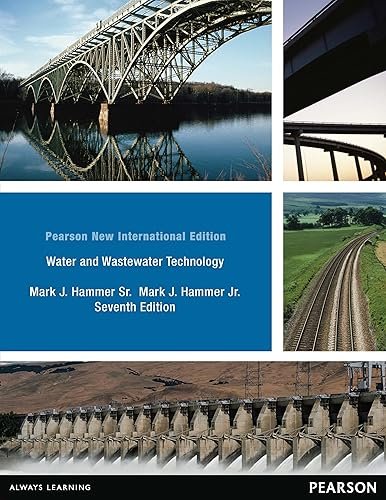
 Water and Wastewater Technology (Pearson Edition) |
Serious learners & professionals | $79 |
Amazon eBay |
 Advanced Water Treatment and Desalination Technologies |
Students & academic reference | $4 |
Amazon eBay |
 Advanced Water Treatment (Hardcover) |
In-depth technical library | $16 |
Amazon eBay |
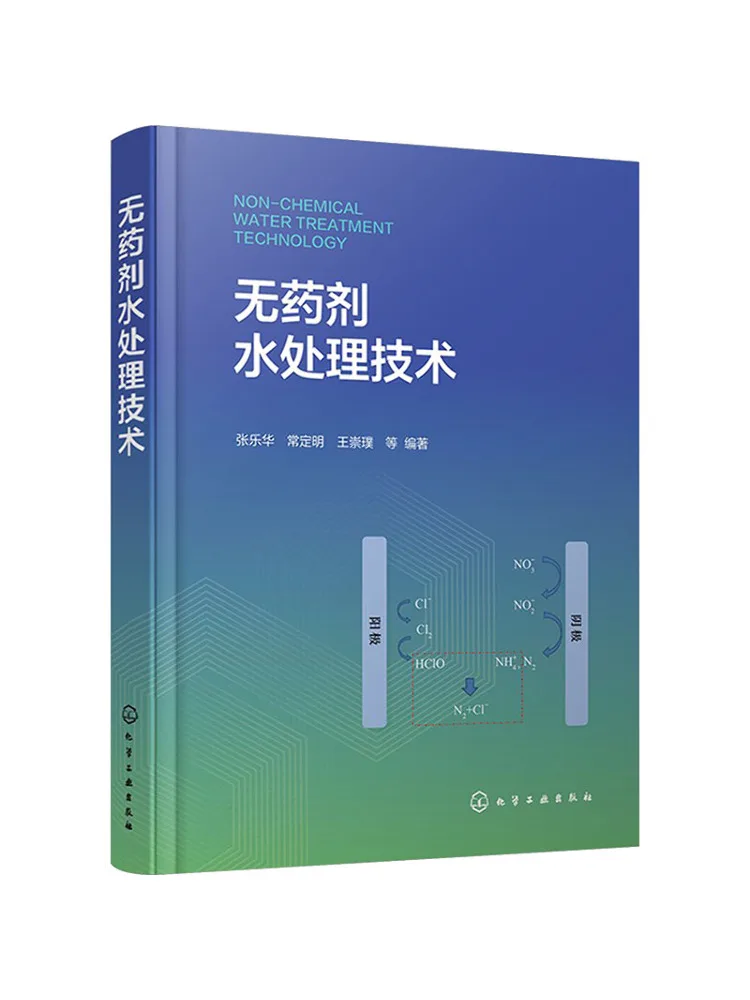 Chemical Free Water Treatment Technology |
Eco-focused alternative methods | $27.91 | AliExpress |
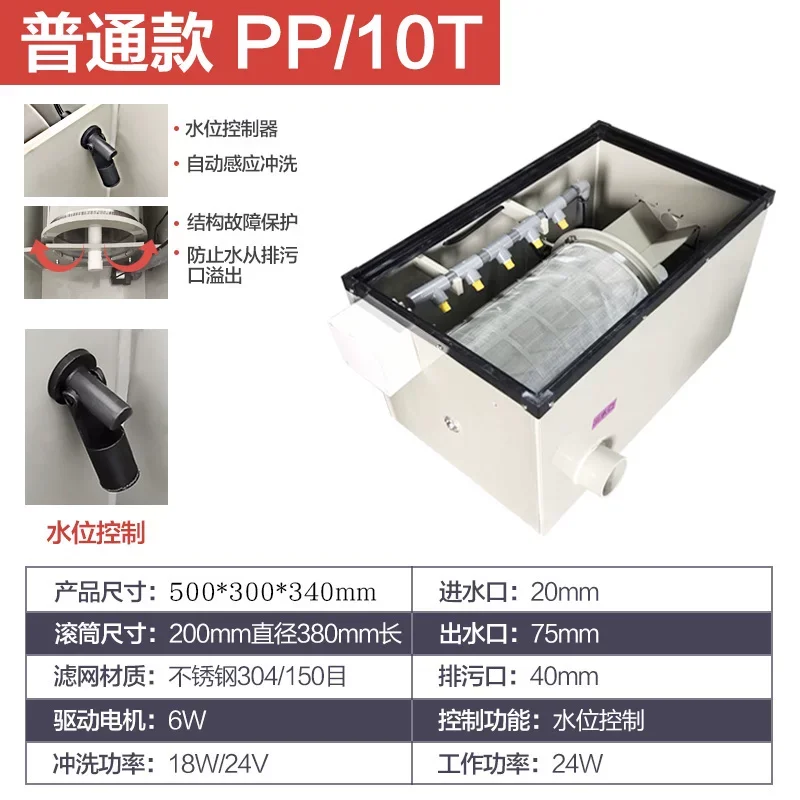 Fish Pond Micro Drum Filter |
Pond & aquaculture systems | $102.79 | AliExpress |
Water and Wastewater Technology: Pearson New International Edition
This is the textbook we keep on our reference shelf. It’s dense, academic, and not for casual reading. But if you want to understand the engineering principles behind municipal plants and advanced treatment, it’s unmatched. We’ve cross-referenced it countless times when evaluating complex systems.
- Extremely detailed and authoritative
- Covers both water and wastewater processes
- Great for troubleshooting system design
- Not a practical DIY guide
- Academic writing style can be dry
- High price for a niche audience
Advanced Water Treatment and Desalination Technologies
At four bucks, this is a steal for the curious. It’s a concise overview, not an exhaustive manual. Perfect for students or homeowners who want a quick primer on membrane tech and advanced oxidation without wading through a full textbook. We’ve gifted it to a few keen readers.
- Incredibly affordable entry point
- Clear, concise explanations
- Covers modern techniques like forward osmosis
- Lacks deep practical detail
- More of an introduction than a guide
- Physical quality matches the price
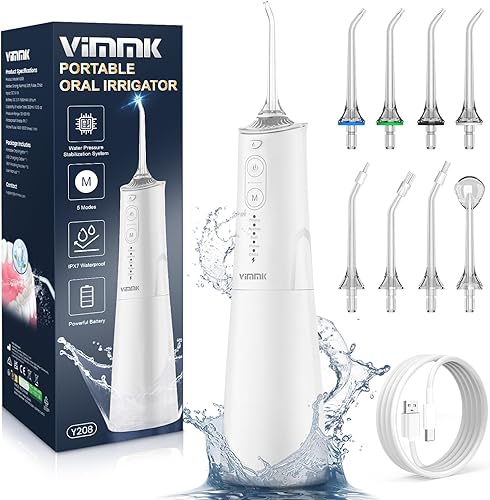
Vimmk Cordless Oral Irrigator
Okay, this one’s a curveball. It’s a water flosser, not a drinking water filter. But the technology is fascinating—a small, pressurized pump creates a focused jet for cleaning. We include it because it’s a brilliant example of applied water treatment tech in a personal care device. The engineering is clever.
- Demonstrates micro-pump and nozzle technology
- IPX7 waterproof rating is solid
- Multiple modes show pressure control
- Not for water purification
- Battery life could be better
- Tank size limits continuous use
FAQ
- What is the most effective water treatment technology for home use?
- For most municipal water, a high-quality activated carbon block filter certified to NSF/ANSI 53 is the most effective and affordable. It removes chlorine, lead, cysts, and VOCs. Reverse osmosis is more thorough but is often overkill unless you have specific contaminants like nitrates or high TDS.
- How often should water treatment filters be replaced?
- Follow the manufacturer’s schedule exactly. It’s based on capacity, not time. A carbon filter might last 6 months or 1000 gallons. Using it beyond its rated capacity risks bacterial growth and reduced performance. Mark your calendar.
- Can water treatment technology remove all contaminants?
- No single technology removes everything. Carbon excels at organics and chlorine. RO removes salts and heavy metals. UV kills microbes. The best systems combine stages—like sediment filter, carbon block, and RO—to target a broad spectrum. Always start with your water report.
- Is reverse osmosis water safe to drink long-term?
- Yes, it’s perfectly safe. The debate about demineralized water is overstated. You get most minerals from food. If concerned, choose an RO system with a remineralization stage that adds calcium and magnesium back in. The bigger issue is the water waste from older systems.
- Do I need a whole-house or point-of-use system?
- It depends on your goal. For drinking water only, a point-of-use filter at the kitchen sink is sufficient. If you have hard water scaling up appliances or want filtered water from every tap, you need a whole-house (POE) system like a softener or backwashing filter.
- What does NSF/ANSI certification actually mean?
- It means an independent lab has verified the filter’s claims. Standard 42 covers aesthetic effects (taste, odor). Standard 53 covers health effects (lead, cysts). Standard 58 is for reverse osmosis systems. Always look for the specific standard number relevant to your needs.
Final Thoughts
Water treatment technology isn’t about buying the most expensive system. It’s about matching the right tool to your specific water problem. Start with your water quality report. Don’t pay for a fancy RO system if a simple carbon filter will do. In our experience, the best system is the one you’ll actually maintain.
Our top recommendation for most readers is a certified under-sink carbon block system. It’s the sweet spot of cost, effectiveness, and ease of use. If you have hard water, pair it with a softener. Do your homework, choose wisely, and you’ll have great-tasting water for years.
