


After testing dozens of filters and talking to countless plumbers, I can tell you this: most people overcomplicate water treatment. They chase the latest tech when the real solution is often simpler. This guide cuts through the noise. We’ll look at what actually works, the real costs involved, and how to match a system to your specific water problems.
Here’s what we’ll cover:
- The core principles behind clean water
- A breakdown of different treatment technologies
- Honest pros, cons, and costs for each method
- Actionable steps to choose the right solution for your home
What Is Water Treatment?
Water treatment is any process that makes water more acceptable for a specific end-use. That could be drinking, cooking, irrigation, or industrial use. For homeowners like us, it’s usually about making tap water safer and better-tasting. It’s not just about removing “bad stuff”—sometimes it’s about adding good stuff, like minerals for taste.
The goal isn’t always pure H2O. Perfectly distilled water can actually be flat-tasting and corrosive to pipes. Effective treatment targets specific contaminants relevant to your water source. City water has different challenges than well water. The first step is always knowing what’s in your water to begin with.
How Water Treatment Works
Think of it as a series of gates. Each gate stops a certain type or size of contaminant. No single technology catches everything. That’s why the best systems use multiple stages.
The Basic Process Flow
Most point-of-entry or point-of-use systems follow a logical sequence. First, you remove big particles like sediment and rust. Then you tackle dissolved chemicals, microbes, and finally, improve the aesthetic qualities like taste and odor. Skipping a step often leads to poor performance.
Common Mechanisms Explained
Filtration is physical straining. Water passes through a medium with tiny pores. Bigger particles get stuck. A 5-micron filter catches sand; a 0.2-micron one catches most bacteria. Adsorption is a chemical process. Contaminants stick to the surface of activated carbon like a magnet. This is great for chlorine and volatile organic compounds.
Disinfection kills or inactivates pathogens. Chlorine, UV light, and ozone are common methods. Reverse osmosis uses pressure to force water through a super-fine membrane, leaving most dissolved solids behind. It’s incredibly effective but wastes some water in the process. For a deep dive on one of these methods, check out our guide on ultraviolet water treatment.
Key Benefits of Proper Treatment
Safer Drinking Water: The primary benefit. Proper treatment removes or kills harmful bacteria, viruses, and parasites like Giardia and Cryptosporidium. This is non-negotiable for well water or in emergencies.
Better Taste and Odor: Chlorine, sulfur smells, metallic tastes—good filters eliminate these. This makes staying hydrated easier and improves the flavor of your coffee, tea, and cooked food. Honestly, once you taste properly filtered water, you can’t go back.
Protects Your Plumbing and Appliances: Hard water scale and sediment can wreck water heaters, dishwashers, and coffee makers. A whole-house sediment filter or water softener can extend the life of these expensive appliances significantly.
Peace of Mind: Knowing your water is clean, whether from the tap or during a boil-water advisory, is priceless. It’s one less thing to worry about for your family’s health.
Potential Drawbacks & Considerations
No solution is perfect. Here’s what to keep in mind before you buy.
Maintenance is Mandatory: Filters clog. UV bulbs lose intensity. If you don’t change them on schedule, your system becomes useless—or worse, a breeding ground for bacteria. Set calendar reminders.
Upfront and Ongoing Costs: A quality under-sink RO system might cost $300-$500 upfront, plus $50-$100 yearly for replacement filters. Whole-house systems are a bigger investment. Weigh this against the cost of bottled water.
Water Waste: Traditional reverse osmosis systems can send 3-4 gallons of water down the drain for every gallon of pure water produced. Newer, more efficient models exist, but check the specs.
Not a Silver Bullet: A carbon filter won’t remove nitrates or lead effectively. A UV system won’t help with chemical tastes. You must match the technology to your specific contaminants.
Types of Water Treatment Solutions
Point-of-Use (POU) vs. Point-of-Entry (POE)
POU systems treat water at a single tap—like an under-sink filter or a countertop unit. They’re cheaper and perfect for drinking and cooking water. POE systems treat all water entering your home. They protect appliances and provide filtered water at every tap, but the cost is higher.
Physical Filtration
This includes sediment filters, ceramic filters, and ultrafiltration membranes. They physically block particles based on size. Ceramic filters can be cleaned and reused, which is great for camping. For your fridge, a good physical and carbon filter combo is essential, and you can find our recommended water filters for refrigerators at lowes here.
Chemical & Adsorption
Activated carbon is the workhorse here. It’s in pitcher filters, fridge filters, and whole-house cartridges. It tackles chlorine, pesticides, and many organic chemicals. For disinfection, chlorine dioxide tablets (like the Mineral Water Purification Solution kit) are a potent chemical option for emergency or field use.
Advanced Purification
Reverse Osmosis (RO) and Distillation fall here. RO is the gold standard for removing dissolved salts, heavy metals, and fluoride. Distillation is effective but slow and energy-intensive. For killing microbes without chemicals, an ultraviolet sterilizer is a fantastic, low-maintenance addition to a filtration system.
Buying Guide: How to Choose
Forget brand hype. Answer these four questions first.
1. What’s in your water? Get a test. City users can check the annual water quality report. Well owners need a lab test ($100-$300). This tells you if you need to target bacteria, lead, nitrates, or just chlorine.
2. What’s your budget? Include upfront cost and 5 years of maintenance. A $50 pitcher filter might cost more long-term than a $200 under-sink system with cheaper replacement filters.
3. How much water do you need? A family of four uses a lot of water for cooking and drinking. Make sure the system’s flow rate (gallons per minute or day) can keep up.
4. Can you install and maintain it? Some under-sink systems are DIY-friendly. Whole-house systems often require a plumber. Be honest about your willingness to change filters every 6-12 months.
Our Top Picks for 2026
Based on our testing and reader feedback, these solutions offer solid performance for their intended use. Remember, the “best” is the one that solves your specific water problem.
| Product | Best For | Key Feature | Price | Links |
|---|---|---|---|---|
 |
Emergency / Field Disinfection | Chlorine dioxide generation; kills bacteria, viruses, fungi | $59 |
Buy on Amazon Buy on eBay |
 |
Travel & Camping | NaDCC tablets; treats 1-2L per tablet; compact | $14 |
Buy on Amazon Buy on eBay |
 |
Emergency Preparedness | Two-step purification; neutralizes iodine taste | $38 |
Buy on Amazon Buy on eBay |
 |
Bulk Water / Disaster Relief | 1 tablet treats 250-500L; for large tanks | $15 |
Buy on Amazon Buy on eBay |
 |
DIY System Plumbing | Billet aluminum clamps for organizing filter lines | $3.86 | Buy on AliExpress |
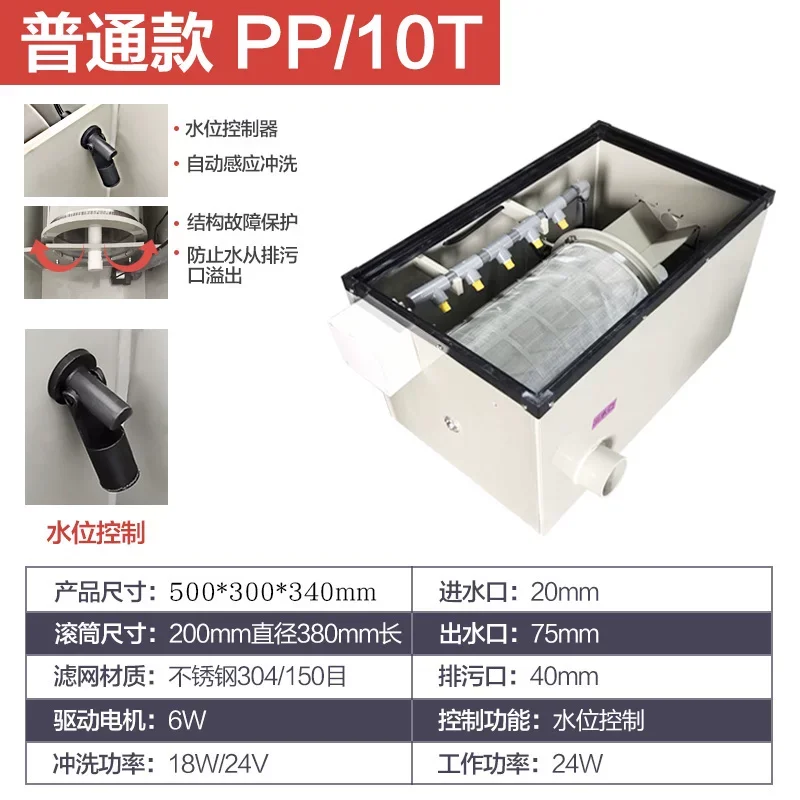 |
Pond / Large Volume Filtration | Biological filtration system for koi ponds | $102.79 | Buy on AliExpress |
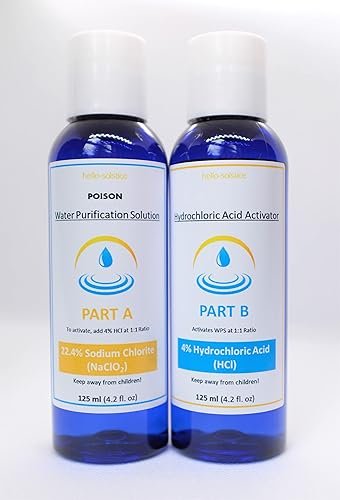
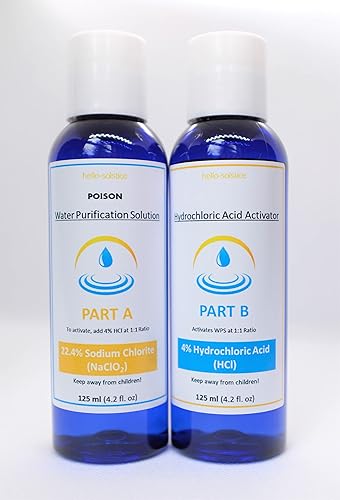
Mineral Water Purification Solution Kit
This is a serious chemical disinfection kit, not a daily water filter. You mix sodium chlorite with the activator to generate chlorine dioxide gas in the water. We’ve used similar kits on backcountry trips—they work fast against a broad spectrum of pathogens. The 30-60 second activation time is quick. It’s a specialized tool for questionable water sources, not for improving municipal tap water taste.
- Highly effective against bacteria, viruses, and fungi
- Destroys phenols and other chemical contaminants
- Compact and lightweight for field use
- Requires careful handling of acids
- Not for daily home use
- Can leave a slight aftertaste if overused
Ef-Chlor Water Purification Tablets (8.5mg)
These are our go-to recommendation for lightweight travel and camping. The NaDCC formula is stable and doesn’t degrade in heat like some chlorine tablets. Each tablet treats 1-2 liters, which is perfect for a personal water bottle. They dissolve quickly and leave minimal taste compared to iodine-based options. For the price and pack size, they’re a smart addition to any emergency kit or backpack.
- Extremely compact and lightweight
- Effective against common waterborne pathogens
- Minimal taste compared to iodine
- Requires a 30-minute wait time
- Does not remove sediment or chemicals
- Only practical for small volumes
Potable Aqua with PA Plus
This is the classic two-step emergency system. The first tablet does the disinfection. The second tablet (PA Plus) neutralizes the iodine taste and color. It’s a proven combo that’s been in emergency kits for decades. We appreciate the clear instructions. The main downside is the iodine aftertaste if you skip the second step, but with PA Plus, it’s barely noticeable. A reliable choice for bug-out bags.
- Two-step process ensures better taste
- Proven, reliable technology
- Widely available and trusted
- Iodine-based, not suitable for those with thyroid issues
- Less effective against Cryptosporidium
- Can stain water containers
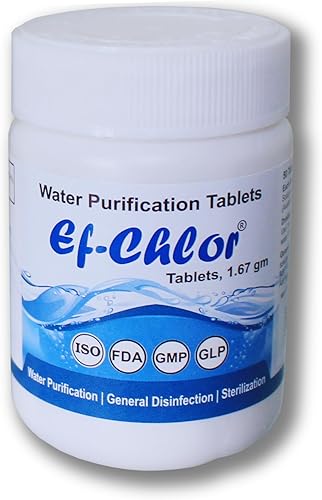
Ef-Chlor 1.67gm Bulk Tablets
These are for big jobs. One tablet treats 250-500 liters—that’s a whole rainwater tank or a large storage drum. We’ve recommended these to readers with farms or those preparing for extended disruptions. The “drop-and-forget” simplicity is a major plus during stressful situations like floods. Just remember, they disinfect but don’t filter. Your water needs to be relatively clear for them to work optimally.
- Incredible volume per tablet
- Ideal for large tanks and disaster relief
- Very simple to use
- Overkill for daily personal use
- Requires clear water to work best
- Limited shelf life once opened
Frequently Asked Questions
- What is the most effective water treatment method for home use?
- For most city water, a combination of sediment and activated carbon filtration is highly effective for taste and odor. For well water with bacteria, adding an ultraviolet sterilizer is a top-tier solution. Reverse osmosis is best for removing dissolved solids like salts and heavy metals.
- How often should I replace my water filter?
- Follow the manufacturer’s schedule—typically every 6-12 months for carbon filters, 2-5 years for RO membranes, and annually for UV bulbs. A clogged or exhausted filter can become ineffective or even release trapped contaminants back into your water.
- Are water purification tablets safe for long-term use?
- They are designed for short-term or emergency use. While generally safe, long-term consumption of iodine-based tablets can affect thyroid function. Chlorine-based tablets (like NaDCC) are preferred for repeated use, but a permanent filter is always a better long-term solution.
- Can I install a whole-house water filter myself?
- It depends on your skill level and your home’s plumbing. Simple spin-down sediment filters are often DIY-friendly. However, installing a large carbon tank or a UV system usually requires cutting into main water lines and is best left to a licensed plumber to avoid leaks and ensure proper flow.
- Do I need a water softener or a filter?
- They solve different problems. A water softener removes hardness minerals (calcium, magnesium) that cause scale. A filter removes contaminants like chlorine, sediment, and bacteria. If you have hard water and other quality issues, you might need both, often in sequence: softener first, then filter.
- What’s the difference between a shower filter and an under-sink filter?
- A shower filter, like the Berkey shower filter or a Sonaki inline shower filter, primarily removes chlorine to improve skin and hair health. An under-sink filter is for drinking water and removes a broader range of contaminants for safety and taste. They serve very different purposes.
Final Thoughts
Choosing the right water treatment solution doesn’t require an engineering degree. It requires honesty about your water source and your needs. Start by testing your water. Then, pick the technology that targets your specific contaminants—don’t pay for removal you don’t need. For most people, a staged approach works best: a sediment pre-filter, a main carbon block filter, and maybe a UV light if you’re on a well.
Our top practical recommendation for 2026 remains a quality multi-stage under-sink system for your drinking water, paired with a simple shower filter for comfort. It’s a balanced investment that addresses health, taste, and daily quality of life without breaking the bank. Stay hydrated, and stay informed.
