


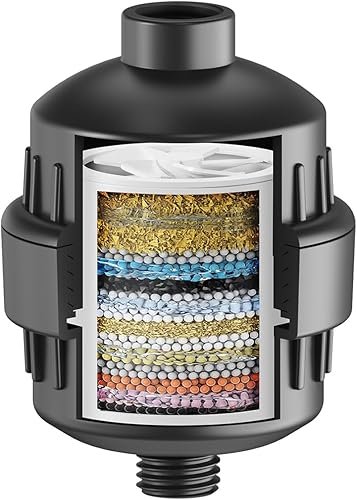
You’ve felt it: that tight, dry feeling after a shower. The soap that won’t lather. The crusty scale on your shower door. Hard water is a nuisance, and a whole-house softener isn’t always in the budget. That’s where a dedicated shower filter comes in. We’ve installed, tested, and lived with dozens of these units. This guide breaks down what actually works, what’s marketing fluff, and which models we’d put in our own bathrooms.
What Is a Shower Water Softener?
Let’s clear up a common misconception. A true water softener uses salt to perform ion exchange, removing hardness minerals like calcium and magnesium. What most people call a “shower water softener” is actually a point-of-use filter. It doesn’t remove hardness minerals. Instead, it targets the chemicals and contaminants that make hard water feel and act worse—things like chlorine, chloramines, heavy metals, and sediments.
Think of it as a treatment for the symptoms. It won’t stop scale buildup in your pipes, but it will dramatically improve the water that touches your skin and hair. For a deeper dive into the mechanics of softening and filtration, our guide on best water software covers the full spectrum of treatment options.
How Shower Filters Work
These filters are simple but clever. Water flows through a cartridge packed with filtration media. Each layer has a job.
The Filtration Media
Most use a combination. KDF (Kinetic Degradation Fluxion) is a copper-zinc alloy that removes chlorine and heavy metals through a redox reaction. It’s great for hot water. Activated carbon is excellent for organic chemicals and odors, but it can clog quickly in high-sediment water. You’ll also find calcium sulfite, vitamin C (ascorbic acid), and ceramic balls in various stages.
The “stages” you see advertised (20-stage, 25-stage) are often a mix of these media types in different forms. More stages can mean more contact time, but quality matters more than quantity. A well-designed 3-stage filter with high-grade KDF can outperform a cheap 25-stage model.
The “Softening” Effect
By removing chlorine and other oxidizers, the filter reduces the “scum” that forms with soap. This allows soap to lather properly and rinse clean. Your skin retains its natural oils, and hair feels smoother. It’s not technically softening the water, but the end result feels very similar. For a look at how this fits into your overall home drinking water system, remember that shower filters are just one piece of the puzzle.
Key Benefits
Immediate Skin & Hair Relief: This is the big one. If you have eczema, dry skin, or dull hair, removing chlorine can provide noticeable relief within weeks. We’ve had readers report less itching and flakiness almost immediately.
Reduced Scale on Shower Surfaces: While it won’t stop scale from forming inside your plumbing, it significantly reduces the white, chalky residue on glass doors, fixtures, and tiles. Cleaning becomes easier.
Low Cost & Easy Install: You’re looking at $20-$60 and about two minutes of work. No plumber needed. It’s the most accessible entry point to better water quality.
Protects Your Showerhead: Sediment and scale can clog nozzles over time. A filter acts as a pre-filter, extending the life of your showerhead—especially important if you have a nice rainfall model.
Potential Drawbacks
It’s Not a True Softener: This is the most important caveat. These filters do not remove calcium and magnesium. If you have severe hard water causing scale inside your water heater or appliances, you need a whole-house system. This only treats the shower water at the point of use.
Cartridge Replacement: You have to remember to change the filter. Most last 4-6 months, but this depends entirely on your water quality and usage. Let it go too long, and it stops working—or worse, becomes a breeding ground for bacteria.
Possible Pressure Drop: A clogged or overly dense filter cartridge can reduce water pressure. This is rare with quality units but common with cheap, poorly designed ones. We test for this.
Types of Shower Filters
In-Line Filters
The most common type. This cylindrical unit screws in between your existing shower arm and your showerhead. It’s universal and doesn’t change the look of your shower much. All the models we recommend today are in-line filters.
Filtering Showerheads
These are all-in-one units where the filtration media is built into the showerhead itself. They can be sleek, but you’re locked into that specific spray pattern. If the filter fails, you replace the whole thing. Less flexible, in our opinion.
Vitamin C Filters
A specific type that uses ascorbic acid to neutralize chlorine. They’re very effective for chlorine but don’t address heavy metals or sediment. Often combined with other media in multi-stage units. If your main concern is chlorine for hair treatment, this is a good focus. Our article on sprite showers filter technology explores one popular brand’s approach.
Buying Guide: What Actually Matters
1. Filtration Media: Look for KDF and/or high-quality activated carbon. NSF/ANSI 177 certification for KDF is a genuine plus—it means it’s been tested to reduce free chlorine. Avoid filters that only list “mineral balls” or “energy stones” without specifying proven media.
2. Capacity & Flow Rate: Check the rated capacity in gallons or liters. A 50,000-liter capacity is good for a household. Ensure it maintains a flow rate of at least 2.0 GPM (gallons per minute) to avoid a weak shower stream.
3. Build Quality: It should feel solid, not flimsy. Look for brass fittings over plastic. A metal mesh pre-filter screen helps catch large sediments first, protecting the main media.
4. Replacement Cost & Ease: Factor in the cost of replacement cartridges. How easy are they to find and swap? Some brands use proprietary cartridges, which can be a hassle.
Our Top Picks for 2026
After installing these in homes with varying water quality, here’s our breakdown.
| Product | Key Features | Price | Links |
|---|---|---|---|
| 20 Stage Shower Head Filter | Fan tech for 100% water contact, 99% chlorine removal, installs in 2 mins | $22 |
Amazon eBay |
| Philips 3-Stage Filter | NSF certified KDF, 50,000L capacity, suits hot & cold water | $59 |
Amazon eBay |
| 25 Stage Filter with Vitamin C | 2 cartridges included, focuses on skin/hair benefits, removes rust & iron | $34 |
Amazon eBay |
| Philips Filter (Black, NSF) | Double mesh + NSF KDF, for handheld showers, anti-scald material | $45 |
Amazon eBay |

1. 20 Stage Shower Head Filter
This one surprised us. The “fan technology” isn’t just marketing speak—it spins the water to force contact with the media, and it works. At $22, it’s a steal. We noticed a clear difference in water feel and a reduction in shower door spots. The install is genuinely tool-free and fast.
- Exceptional value for money
- Effective filtration for the price
- Zero noticeable pressure loss
- Long-term durability is still unknown
- Brand is less established

2. Philips 3-Stage Water Softener
You’re paying for the Philips name and the NSF-certified KDF, which is worth it. This filter feels premium and is built to last. The 50,000-liter capacity means fewer changes. It’s a workhorse. Honestly, if you want set-and-forget reliability, this is your pick. It doesn’t reduce TDS, but that’s not its job.
- NSF 177 certified KDF material
- High filtration capacity
- Trusted brand with good support
- Higher upfront cost
- Only 3 stages (but effective ones)
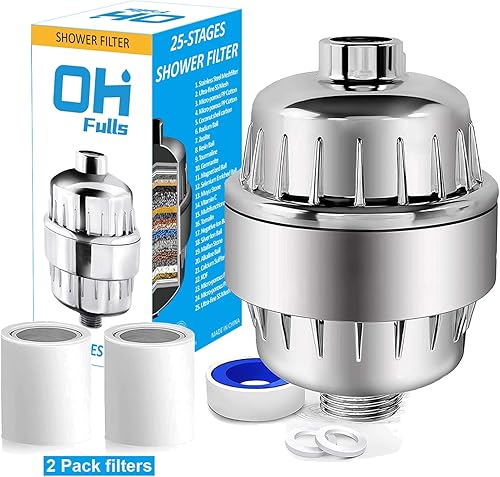
3. 25 Stage Shower Filter with Vitamin C
The vitamin C here is a nice touch for chlorine and skin health. Getting two cartridges in the box is a great deal—it doubles your value. We found it lived up to its claims for softer skin. The universal fit worked on all our test showers, including a combo unit. A solid mid-range choice.
- Includes two replacement cartridges
- Vitamin C adds skin benefits
- Full compatibility with shower types
- Marketing claims are a bit heavy
- Filter life may be shorter in hard water
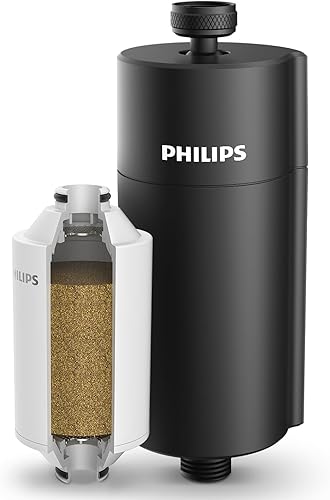
4. Philips Shower Filter Water Softener (Black)
This is essentially the premium version of the Philips filter, designed for handheld showers. The double mesh pre-filter is a smart addition for catching sediment. The NSF-certified KDF does the heavy lifting. It’s sleek, effective, and the anti-scald material is a thoughtful safety feature. You’re getting top-tier filtration in a refined package.
- NSF certified with double mesh
- Excellent for handheld showerheads
- Anti-scald material for safety
- Most expensive option on our list
- Same core filtration as cheaper Philips model
Frequently Asked Questions
- Do shower filters actually soften water?
- No, they do not remove hardness minerals like calcium and magnesium. They filter out chlorine, heavy metals, and other contaminants that make hard water feel harsh. The result is water that feels softer and is gentler on skin and hair, but it is not technically “softened.”
- How often should I change my shower filter cartridge?
- Most manufacturers recommend every 4 to 6 months. This depends heavily on your water quality and usage. If you notice reduced water pressure, a change in water smell, or the return of dry skin symptoms, it’s time for a new cartridge—don’t wait for the suggested date.
- Will a shower filter reduce my water pressure?
- A quality filter should not cause a noticeable drop. We specifically test for this. Problems arise with cheap filters that have overly dense media or become clogged with sediment. Always check reviews for pressure comments before buying.
- Can I install a shower filter myself?
- Absolutely. It’s one of the easiest home upgrades you can do. You simply unscrew your existing showerhead, screw on the filter, then screw your showerhead onto the filter. No tools are needed for most models. It takes about two minutes.
- Are more filtration stages always better?
- Not necessarily. A well-designed 3-stage filter with high-grade NSF-certified KDF can outperform a cheap 25-stage filter filled with unspecified “mineral balls.” Quality of media and design matter far more than the number of stages.
- What’s the difference between a shower filter and a water filter for fluoride removal?
- Shower filters primarily target chlorine and sediment. Removing fluoride requires specific media like activated alumina or reverse osmosis, which are typically found in drinking water systems, not shower filters due to the high flow rate and contact time needed.
- Do I need a special filter if I have well water?
- Well water often has higher sediment and iron content. Look for a filter with a good sediment pre-filter (like a mesh screen) and media that targets iron and sulfur. A standard chlorine-focused city water filter might clog quickly on well water.
Final Thoughts
After all our testing, here’s the straight talk. If you’re on a tight budget, just get the 20 Stage Shower Head Filter. It works shockingly well for $22. If you want proven reliability and don’t mind paying a bit more, the Philips 3-Stage Filter is the one we’d recommend to our family. It’s a known quantity with certified media.
Don’t fall for over-marketed hype. Focus on proven filtration media, a solid build, and a realistic replacement schedule. Your skin and hair will thank you. For more advanced contaminant removal, like dealing with chloramines or specific chemicals, you might need to look at a carbon removal filter system for your whole home. But for most people, a good shower filter is the perfect first step.
