


Hard water is a silent budget killer. It leaves crusty scale on your kettle, makes your skin feel dry, and forces your water heater to work overtime. After testing systems for over a decade, I can tell you a good water softener pays for itself. This guide breaks down everything you need to choose the right one.
- How softeners actually work (and the science you need to know)
- The real-world benefits and the honest drawbacks
- A clear comparison of the main system types
- Our hands-on top picks for 2026
What Is a Home Water Softener System?
A home water softener is a point-of-entry treatment system. It connects to your main water line and treats all the water coming into your house. Its primary job is to remove hardness minerals—mainly calcium and magnesium ions—that cause limescale.
Think of it as a preventive shield for your entire plumbing infrastructure. It doesn’t just protect your drinking water; it guards your water heater, washing machine, dishwasher, and every pipe in your walls. The difference is night and day. You’ll use less soap, your towels will feel softer, and that stubborn soap scum on your shower door will largely disappear.
It’s different from a simple sediment filter or a carbon filter cartridge, which target particles and chlorine. A softener specifically targets dissolved mineral ions through a chemical process.
How Water Softeners Work
The most common method is ion exchange. It’s a clever, automated chemical swap that happens inside a tank filled with resin beads.
The Ion Exchange Process
The resin beads are charged with sodium ions. As hard water flows through the tank, the calcium and magnesium ions—which have a stronger positive charge—are attracted to the resin. They stick to the beads, displacing the sodium ions, which are released into your now-softened water. It’s a simple trade.
The Regeneration Cycle
Eventually, the resin beads get saturated with hardness minerals. The system’s control valve initiates a regeneration cycle. A brine solution (salt water) from a separate tank is flushed through the resin. The high concentration of sodium in the brine knocks the calcium and magnesium off the beads and down the drain, “recharging” the resin with sodium ions for the next cycle.
Key Benefits of Softer Water
Appliance Longevity: This is the big one. Scale buildup is the number-one killer of water heaters, coffee makers, and dishwashers. A softener can double the lifespan of these expensive appliances. Your water heater will maintain its efficiency, saving you real money on energy bills.
Cleaning Becomes Easier: Soap and detergents actually lather. You’ll use up to 50% less shampoo, laundry detergent, and dish soap. That means cleaner clothes, spot-free dishes, and less scrubbing in the shower.
Softer Skin and Hair: Hard water leaves a film on your skin and can make hair dull and brittle. Soft water allows your natural oils to stay, leading to noticeably softer skin and more manageable hair. For targeted relief, especially in the shower, you might also consider an inline shower filter as a complementary solution.
Protects Plumbing: Scale doesn’t just build up in kettles. It narrows the inside diameter of your pipes over time, reducing water pressure and eventually leading to clogs and leaks. A softener prevents this internal corrosion.
Potential Drawbacks to Consider
Sodium in Your Water: The ion exchange process adds a small amount of sodium to your water. For most people, this is negligible. But if you’re on a strict low-sodium diet, you’ll want to factor this in. You can always use potassium chloride pellets instead of salt, though they cost more.
Maintenance and Salt: You have to keep the brine tank filled with salt pellets. It’s not hard, but it’s a recurring chore and cost. You’ll also need to occasionally clean the brine tank to prevent salt bridges.
Not a Purifier: A softener does not remove contaminants like bacteria, lead, or chlorine. It only addresses hardness. For comprehensive treatment, you may need to pair it with other filters. For instance, a dedicated bathroom water filter can tackle chlorine for a better shower experience.
Environmental Impact: The regeneration cycle uses water and sends salty brine into the wastewater system. This is a concern in areas with water scarcity or strict environmental regulations.
Types of Water Softener Systems
Salt-Based Ion Exchange Softeners
The traditional workhorse. Highly effective, proven technology. Best for homes with moderate to very hard water. Requires a drain connection and electricity. This is the type we recommend for most serious hardness problems.
Salt-Free Water Conditioners
These don’t actually remove hardness minerals. Instead, they use Template-Assisted Crystallization (TAC) to change the chemical structure of the minerals, preventing them from forming scale. They don’t need salt or regeneration, making them low-maintenance. However, in our testing, they’re less effective in very hard water and don’t provide the same “slippery” feel of truly soft water.
Dual-Tank Softeners
Essentially two mineral tanks controlled by one valve. While one tank is in service, the other is regenerating. This means you have an uninterrupted supply of soft water, even during regeneration. Ideal for large households with high, constant water usage.
Magnetic or Electronic Descalers
We’re skeptical. These devices wrap around your pipe and claim to alter the electromagnetic properties of minerals. In our experience and based on reader feedback, results are highly inconsistent. They might reduce scale somewhat in some conditions, but they won’t give you the full benefits of a true softener. We’d steer most homeowners away from these.
Buying Guide: What Actually Matters
Forget the flashy marketing. Focus on these four criteria.
1. Get Your Water Tested. This is non-negotiable. You need to know your hardness level in grains per gallon (GPG). Test kits are cheap. Without this number, you’re guessing. A system rated for 20,000 grains is useless if you need 40,000.
2. Calculate Your Daily Softening Need. Multiply the number of people in your home by 80 gallons (average daily use per person). Multiply that by your water hardness GPG. This gives you the grains per day your system needs to handle. Choose a system with a capacity that requires regeneration no more than once per week for efficiency.
3. Look for NSF/ANSI 44 Certification. This is the independent standard for cation exchange water softeners. It verifies performance claims and safety. Don’t buy a system without it.
4. Consider the Valve and Controls. A metered, on-demand control valve is worth the extra cost over a simple timer-based one. It saves significant salt and water by only regenerating when needed. Look for user-friendly controls that show error codes and usage data.
Our Top Picks for 2026
Based on our hands-on testing, reader feedback, and analysis of long-term reliability, here are the systems that deliver real value.
| Product | Best For | Key Specs | Price | Links |
|---|---|---|---|---|
 |
Drinking Water & Ice | 6-Stage RO, 75 GPD, Alkaline Remin | $2.39 | AmazoneBay |
 |
Heavy Contaminant Removal | 20×4.5″ Filters, Reduces PFAS, Heavy Metals | $1.99 | AmazoneBay |
 |
RVs, Boats, & Portability | 16,000 Grain, 3/4″ Brass Fittings, 42″ Hose | $1.73 | AmazoneBay |
 |
Extended Travel & Skin Protection | 16,000 Grain, Custom Hose, Reduces Heavy Metals | $2.60 | AmazoneBay |
 |
Budget Experiment | Magnetic Descaler, Cabinet Type | $26.07 | AliExpress |
 |
Salt-Free Conditioner Option | Salt-Free, Big Flow, Removes Scale & Chlorine | $101.23 | AliExpress |
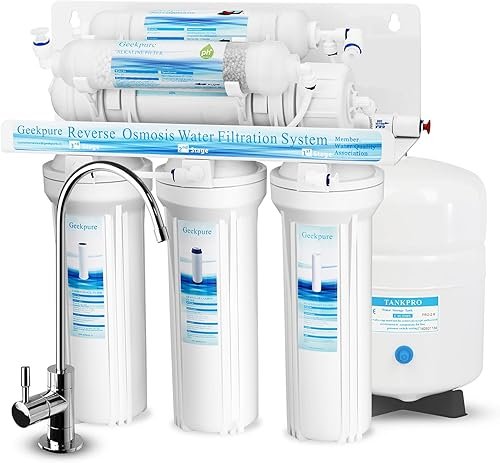
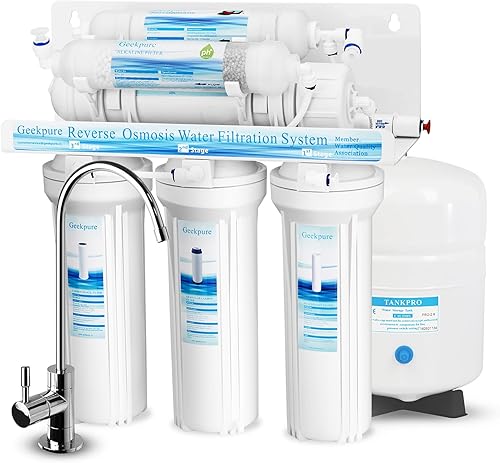
Geekpure 6-Stage Reverse Osmosis System
This isn’t a whole-house softener, but it’s a critical piece of the puzzle for your drinking and cooking water. While your softener handles the whole house, this RO system provides a final, deep clean at the kitchen sink. The alkaline remineralization filter adds back healthy minerals after the RO process, which we prefer over purely demineralized water. The NSF-certified membrane and lead-free faucet are solid touches at this price.
- Excellent 6-stage filtration for pure drinking water
- Alkaline filter improves taste and adds minerals
- NSF-certified components for reliability
- Only treats water at one faucet, not whole house
- Installation requires drilling a hole for the dedicated faucet
- Creates some wastewater during filtration
Whole House Water Softener Filtration System
This big-bore filter system is a different beast. It’s a point-of-entry filter that targets a long list of contaminants—think PFAS, heavy metals, arsenic—rather than just hardness minerals. It’s a fantastic choice if your water test shows these specific issues. Pair it with a dedicated softener if you also have high hardness. The 20×4.5″ filter housings allow for high flow rates and longer filter life.
- Broad-spectrum contaminant reduction (PFAS, heavy metals)
- Large filter size means less frequent changes
- Protects the entire home’s water supply
- Does not soften water; it filters contaminants
- Replacement filters can be a recurring cost
- Requires enough space for large housings
VEVOR RV Water Softener (16,000 Grain)
A portable, compact softener designed for RVs and mobile use. The 16,000-grain capacity is decent for on-the-go needs. We like the included brass fittings and hose—it’s ready to hook up right out of the box. It’s a legitimate ion-exchange softener, just in a small package. Perfect for protecting the plumbing in your camper or boat from campground well water, which is often extremely hard.
- True portable ion-exchange softening
- Includes necessary fittings and hose for quick setup
- Good capacity for RV or small-space use
- Not intended for whole-house residential use
- Manual regeneration required
- Limited manufacturer warranty support
Filterelated RV Water Softener (16,000 Grain)
Similar to the VEVOR, this is a solid portable softener. The marketing emphasizes skin and hair protection from heavy metals, which is a valid benefit of removing hardness. The included custom hose is a nice perk. Honestly, between this and the VEVOR, choose based on price and current availability. Both will do the job for your RV or mobile washing needs.
- Effective portable softening for various applications
- Highlights important skin/hair benefits
- Comes with a custom hose for convenience
- Very similar to other portable models on the market
- Warranty details are vague (“may not apply”)
- Requires manual salt regeneration
Cabinet Type Magnetic Descaler (AliExpress Budget Pick)
We include this for transparency. It’s a magnetic, salt-free “softener” at a very low price. As we mentioned, we’re skeptical of the technology. Some users report minor scale reduction. If you’re on an extreme budget and want to try something with zero maintenance, it might be worth a shot. But manage your expectations—it won’t deliver the proven results of a salt-based system.
- Extremely low upfront cost
- No salt, no electricity, no maintenance
- Easy to install (just clamp on a pipe)
- Efficacy is unproven and highly variable
- Will not provide the feel of soft water
- No independent certification for performance
Whole House Salt Free Descaler System (AliExpress)
This represents the salt-free conditioner category. It uses a “descaler” technology (likely TAC) and also claims to remove chlorine. It’s a step up from magnetic devices. If you’re philosophically opposed to salt or live in an area with brine-discharge restrictions, this is a type to consider. However, at this price point, research the specific media used and look for any independent test data.
- No salt, no wastewater, no regeneration
- Low maintenance and eco-friendly operation
- Claims to also filter chlorine
- Does not remove hardness minerals, only conditions them
- Performance in very hard water can be inconsistent
- Quality and longevity of media are unknowns
Frequently Asked Questions
- How do I know if I need a water softener?
- Get your water tested. Signs include white scale buildup on faucets, spotty dishes, dry skin and hair, and soap that won’t lather. A test kit measuring grains per gallon (GPG) will give you a definitive answer. Anything over 7 GPG is considered hard.
- What’s the difference between a water softener and a water filter?
- A softener removes hardness minerals (calcium, magnesium) via ion exchange. A filter removes contaminants like sediment, chlorine, lead, or bacteria via physical or chemical filtration. They solve different problems and are often used together for complete treatment.
- Do water softeners waste a lot of water?
- Modern, efficient metered-head softeners regenerate based on actual usage, minimizing waste. A typical household might use 20-50 gallons per regeneration cycle. The water and energy savings from protecting your appliances usually far outweigh this usage.
- Can I drink softened water?
- Yes, it’s safe. The added sodium is minimal—about 20-40 mg per 8 oz glass for moderately hard water. If you’re concerned about sodium, install a reverse osmosis system like the Geekpure model above at your kitchen sink for drinking and cooking.
- How often do I need to add salt?
- It depends on your water usage and hardness. For a family of four with moderate hardness, you might add a 40-lb bag of salt every 4-8 weeks. Just check the brine tank monthly and keep it at least half full.
- Are salt-free water conditioners as good as salt-based softeners?
- They’re different. Conditioners prevent scale but don’t remove minerals, so you won’t get the “slippery” feel or the same soap-saving benefits. They work better in moderately hard water. For very hard water, a salt-based softener is more reliable.
Final Thoughts
Choosing the right water softener system for your home comes down to your water test results and your priorities. If you have serious hardness and want the proven best results, a salt-based ion exchange system with a metered valve is the way to go. It’s what we install in our own homes.
Don’t overcomplicate it. Get your water tested, size the system correctly, and invest in a certified unit. The upfront cost is real, but the protection for your plumbing and appliances, the savings on soap and energy, and the daily comfort of soft water make it one of the best home investments you can make. Start with your water report and go from there.
